
Gold majors are out of debt and will have to start buying, Lundin says
Source: kitco.com
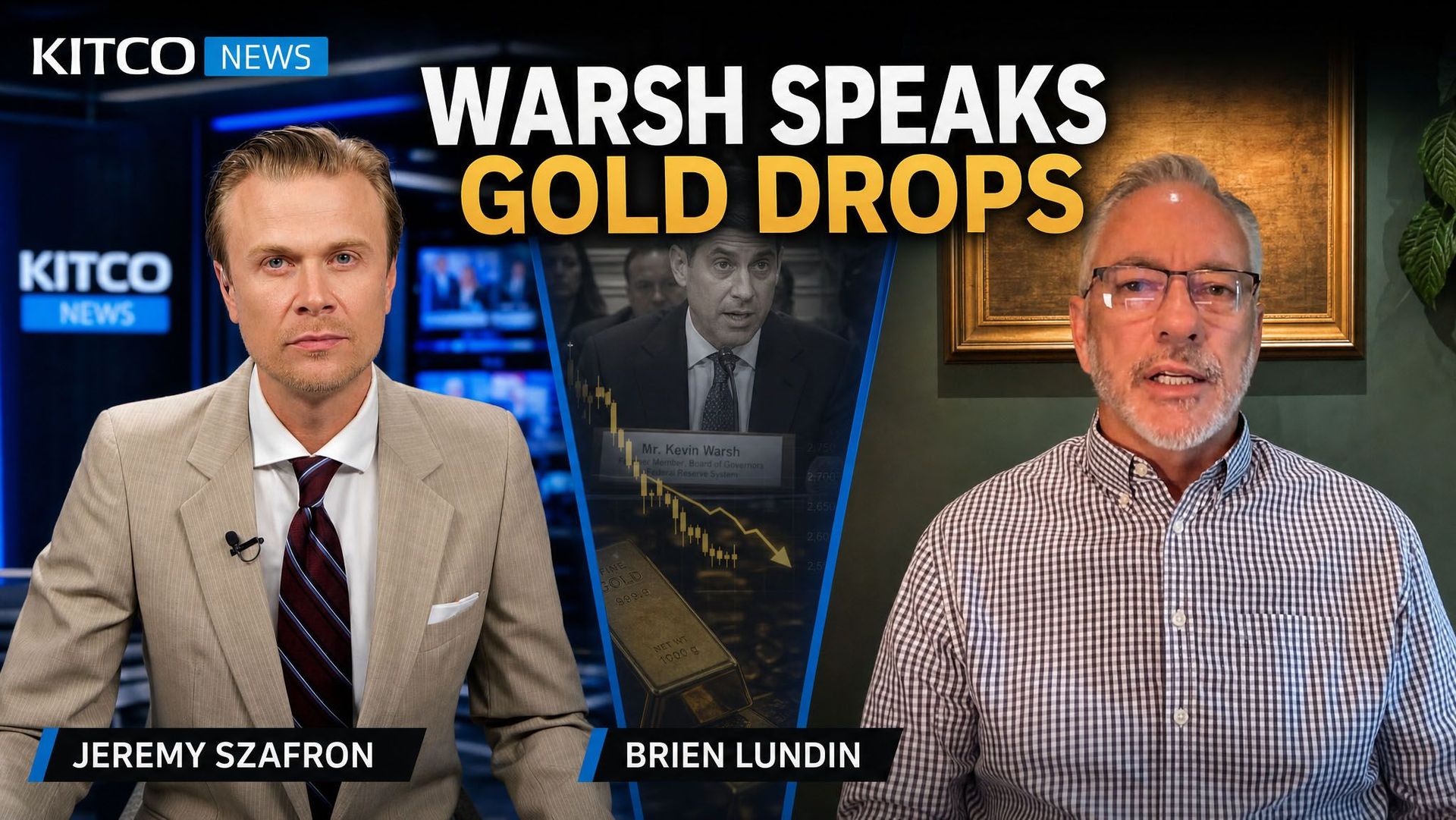
Gold miners recorded average Q1 all-in sustaining-cost margins of $3,076/oz, up 134% year over year, while AISC reached $1,785/oz and gold traded near $4,391/oz. Gold Newsletter editor Brien Lundin expects cash-rich, net-debt-free major producers to shift from dividends and buybacks toward acquiring development-stage and exploration projects, which he views as lagging the broader mining rally. Key risks include rising diesel costs, escalating government royalties, permitting constraints and junior-miner share dilution, though Lundin argues gold-price gains are still outpacing operating-cost inflation.
Analysis
The investable implication is not simply higher beta to bullion: majors with depleted reserve lives face a replacement-cost problem that becomes acute in the next 6-18 months. NEM, AEM, GOLD and KGC can fund acquisitions from internal cash flow, but a competitive bid cycle would transfer value disproportionately to permitted, de-risked development assets rather than early-stage land packages. GDXJ should outperform GDX only if financing converts drill success into defined resources, feasible mine plans and credible permitting paths; otherwise renewed equity issuance will absorb the sector's upside.
Higher realized prices can initially expand producer multiples, but the next margin dollar is less valuable where governments can reset royalty/tax terms or where diesel, labor and contractor inflation rises faster than output. Royalty companies such as FNV and WPM offer a cleaner way to retain bullion exposure while avoiding direct operating-cost escalation, although their portfolios remain exposed to counterparties in fiscally aggressive jurisdictions. The source's stated margin and cost figures do not reconcile mechanically, so any thesis relying on record cash-flow capacity should be verified against company quarterly realized-price, AISC and net-debt disclosures before sizing.
Near term, a hawkish Fed repricing is the clearest catalyst for a pullback in long-duration exploration equities, which typically have materially higher real-rate sensitivity than producing miners. Over 1-3 months, a rotation into developers requires announced transactions, resource upgrades or financings at modest discounts; absent those, the consensus "explorers are next" narrative can become a liquidity trap. The contrarian view is that majors may prefer dividends, buybacks and brownfield expansions over expensive M&A after prior-cycle writedowns, limiting takeover premia despite strong commodity economics.
AllMind Terminal
AI-powered research, real-time alerts, and portfolio analytics for institutional investors.
Request TrialMarket Sentiment
Overall Sentiment
moderately positive
Sentiment Score
0.58
Key Decisions for Investors
- Prefer a 6-12 month barbell of long GDXJ versus short GDX only after GDXJ/GDX breaks above its 200-day moving average and financing discounts narrow; target 15-25% relative upside if M&A broadens, with a 8-10% relative stop if real yields rise or junior placements return at >20% discounts.
- Accumulate FNV or WPM on bullion-driven pullbacks rather than chase high-cost operators; these names should preserve margin quality better if diesel and labor costs accelerate. Reassess if counterparties report material production guidance cuts, royalty disputes, or sustained gold weakness below the prior quarterly average realized price.
- Maintain a watchlist, not a blanket long, in likely acquisition targets with advanced North American or Mexican assets; require a completed feasibility study, funded path through the next 12 months, and manageable share-count growth before entry. Avoid pre-resource explorers where dilution—not geology—is the dominant valuation driver.
- Use NEM/AEM versus GDXJ as an event-driven hedge around the next FOMC decision: short junior beta against senior liquidity if real yields move higher or the dollar strengthens. Cover the hedge on confirmed acquisition announcements or if majors raise reserve-replacement spending guidance materially.
- Monitor FCX and copper developers separately from gold miners: higher copper prices support project economics but also intensify capex inflation and sovereign-resource-nationalism risk. A sustained increase in diesel prices or royalty/tax revisions is the key falsifier for the broad mining-equity margin expansion thesis.
More News
- Stock Market Investors Just Got Bad News About President Trump's Economy. History Says This Could Happen Next.
- President Donald Trump Just Threw Fed Chair Kevin Warsh Under the Bus, and Things Could Get Ugly for Wall Street
- Next week brings major risks for the stock market, just as the AI trade keeps faltering
- AI Doubts Spread Cracks in Equities, Credit Markets: Evening Briefing Americas
- Stocks Fall as Oil Rally Keeps a Lid on Treasuries
- Looters hit 3,000 French businesses. Within hours, the haul was trending on Vinted under the riot’s date