
Wall Street Strategists See Value in Duration After Bond Rout
Source: Bloomberg
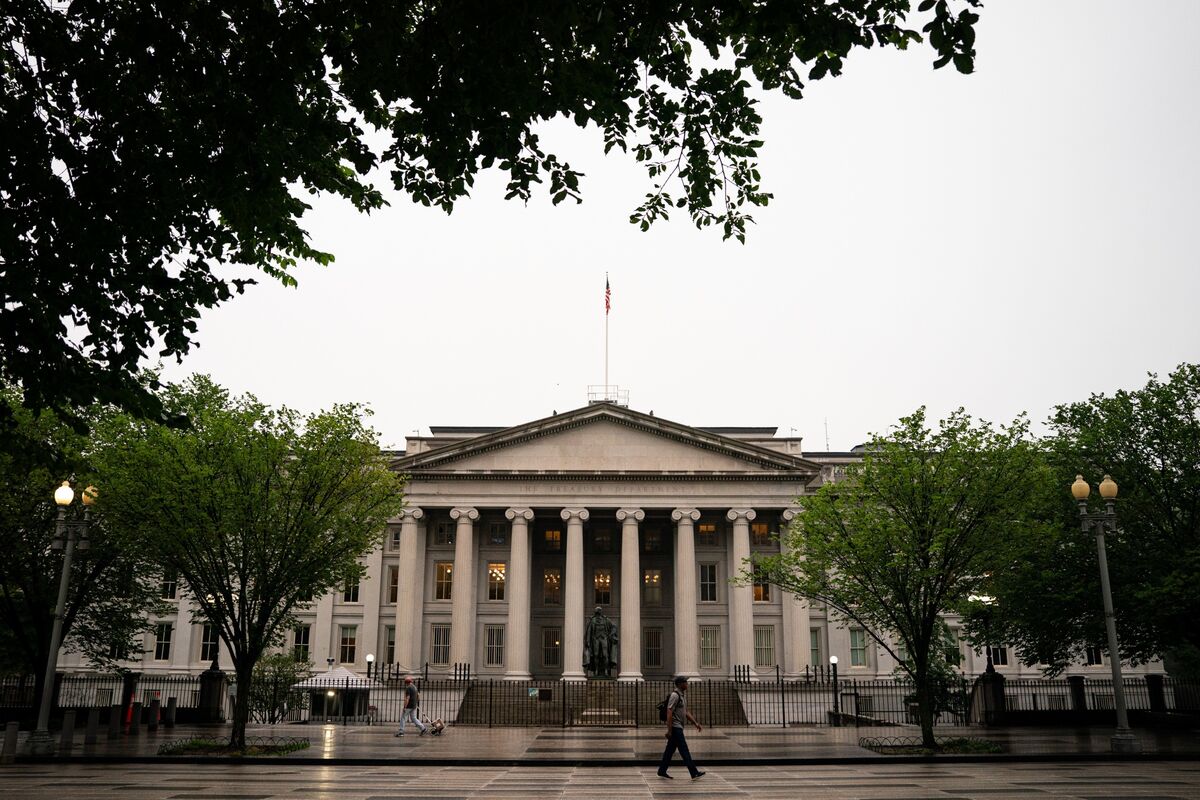
After a multi-week selloff pushed Treasury yields to multi-year highs, Goldman Sachs strategists see potential for a 10-year Treasury rebound, citing credit-market stress and easing technical risks. Citi favors shorter-term Treasuries, arguing that slowing inflation and weaker wage growth may limit how high the Federal Reserve raises rates.
Analysis
The opportunity is not simply “buy duration”: the two views imply different curve exposures. Slower inflation and wage growth would most directly support the front end; a 10-year rally additionally needs term-premium or Treasury-supply pressure to ease. If growth weakens while long-end supply concerns persist, the curve could steepen even as shorter yields fall. Credit stress is therefore a double-edged catalyst: it can prompt a Treasury flight-to-quality, but also signal deteriorating earnings and wider risk premia.
Over days, positioning and technical relief could drive a sharp 10-year rally; over 1–3 months, inflation, labor data, auction demand and credit spreads should determine whether it holds. Over 6–18 months, persistent deficits or renewed inflation could keep long yields elevated despite Fed easing. Lower yields would ease financing pressure for housing and rate-sensitive equities, but a rally driven by recession fears would not necessarily be bullish for those sectors. Banks face offsetting effects from bond valuation relief and potentially weaker lending economics; the article does not establish a company-specific earnings catalyst for C or GS. The contrarian risk is treating strategists’ value calls as confirmation: without evidence that term premium and supply pressure are turning, the long end may remain vulnerable.
AllMind Terminal
AI-powered research, real-time alerts, and portfolio analytics for institutional investors.
Request TrialMarket Sentiment
Overall Sentiment
mildly positive
Sentiment Score
0.20
Ticker Sentiment
Key Decisions for Investors
- Favor a modest front-end duration position over an outright long-end bet while inflation and labor data remain the clearest support. Reassess if inflation reaccelerates or wage growth firms; avoid sizing as though Fed cuts are assured.
- Treat a 2s10s steepener—long 2-year Treasuries against short 10-year Treasuries—as a conditional expression of front-end easing with persistent long-end term-premium risk, not a high-conviction trade. Entry signal: front-end yields fall while 10-year yields remain comparatively sticky. Falsifier: a sustained long-end rally that produces curve flattening, or a renewed inflation shock.
- Use widening credit spreads alongside falling Treasury yields as a warning that duration gains may be accompanied by equity and credit losses. If spreads widen materially, do not infer that rate-sensitive equities or lower-quality credit are automatically buyable on lower yields.
- Watch upcoming inflation and wage releases, Treasury auction demand, 10-year yield behavior and credit spreads before adding duration. If yields rise despite softer data and orderly auctions, the term-premium/supply risk is outweighing the disinflation thesis; stand aside on the long end.
- No direct trade in C or GS from this item alone: the strategist views are not evidence of a near-term change in either firm’s earnings. Verify company guidance and rate-sensitive revenue exposure before making a single-name call.
More News
- Take Five: Bangkok blues
- Goldman upgrades stock and bond markets on strong earnings growth, little recession risk
- Goldman Sachs cuts Aroundtown outlook as higher debt costs squeeze earnings
- Stock futures are little changed after mixed session; traders await bank earnings: Live updates
- American Airlines: A Bargain Facing A Fuel Crisis
- Goldman Sachs, Morgan Stanley have earnings momentum and are reporting this week. There are others