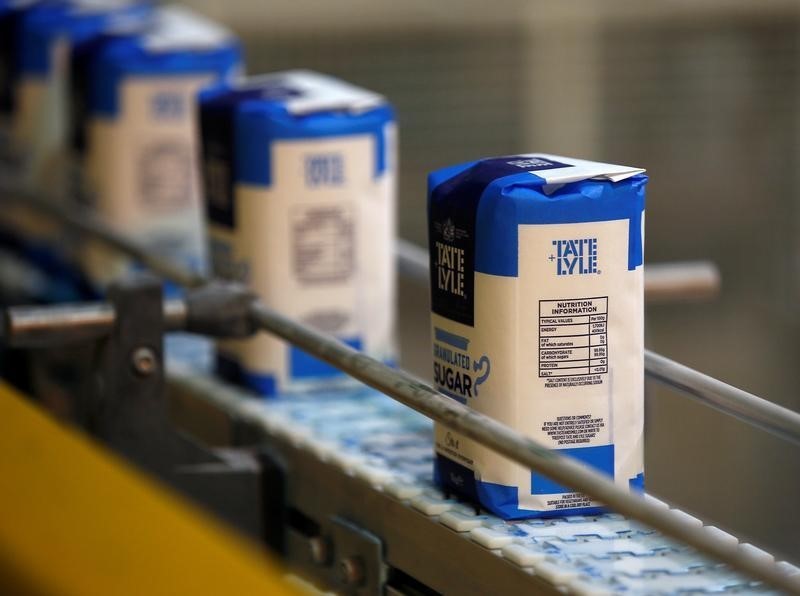
Ingredion agreed to acquire Tate & Lyle for £2.7 billion in cash, valuing the British food solutions company at up to 615 pence per share including permitted dividends and implying an enterprise value of up to £3.8 billion. The offer represents a 58.7% premium to the pre-offer close, or 64.0% including dividends, and sent Tate & Lyle shares up more than 12%. The deal now faces shareholder approval, clearance in 12 antitrust jurisdictions, and a long-stop date of December 8, 2027.
INGR is effectively buying a long-duration cash flow stream at a discount to where a strategic buyer could rationalize it, but the real equity story is the path to realizing synergies without a protracted antitrust overhang. The market should re-rate the probability of completion upward because the financing burden is modest for Ingredion and the deal is cash-only, which lowers execution complexity versus stock-for-stock structures. That said, the spread will likely remain wider than headline premium would suggest until the 12-jurisdiction clearance path is de-risked; the longest-dated regulatory reviews tend to be the binding constraint, not shareholder votes.
Second-order, this is more interesting for the packaged-food ingredient supply chain than for the headline target. A combined INGR/Tate platform would have more pricing power in specialty starches, texturants, and sweeteners, which can pressure smaller regional competitors that lack scale to absorb compliance and logistics costs. Customers in processed food will likely push harder for multi-sourcing and longer contracts, which may compress near-term margins across the sector before the synergy benefits show up.
The contrarian angle is that the market may be underestimating how much of the upside is already in the deal math. At roughly 8.8x EBITDA pre-synergy, the multiple is not obviously cheap once you discount a two-year regulatory window and integration costs; if approvals slip, the annualized return on the spread deteriorates quickly. The better setup may be in the acquirer, not the target: if management is forced to pay up, the deal is still small enough relative to INGR’s scale to be digestible, but any integration miss would be punished in a name that has not been valued for M&A execution risk.
AI-powered research, real-time alerts, and portfolio analytics for institutional investors.
Request TrialOverall Sentiment
strongly positive
Sentiment Score
0.72
Ticker Sentiment
