
Tampa General Hospital First Academic Health System in Southeast to Adopt Innovative Host-Response Technology to Advance Sepsis Care
Source: PR Newswire
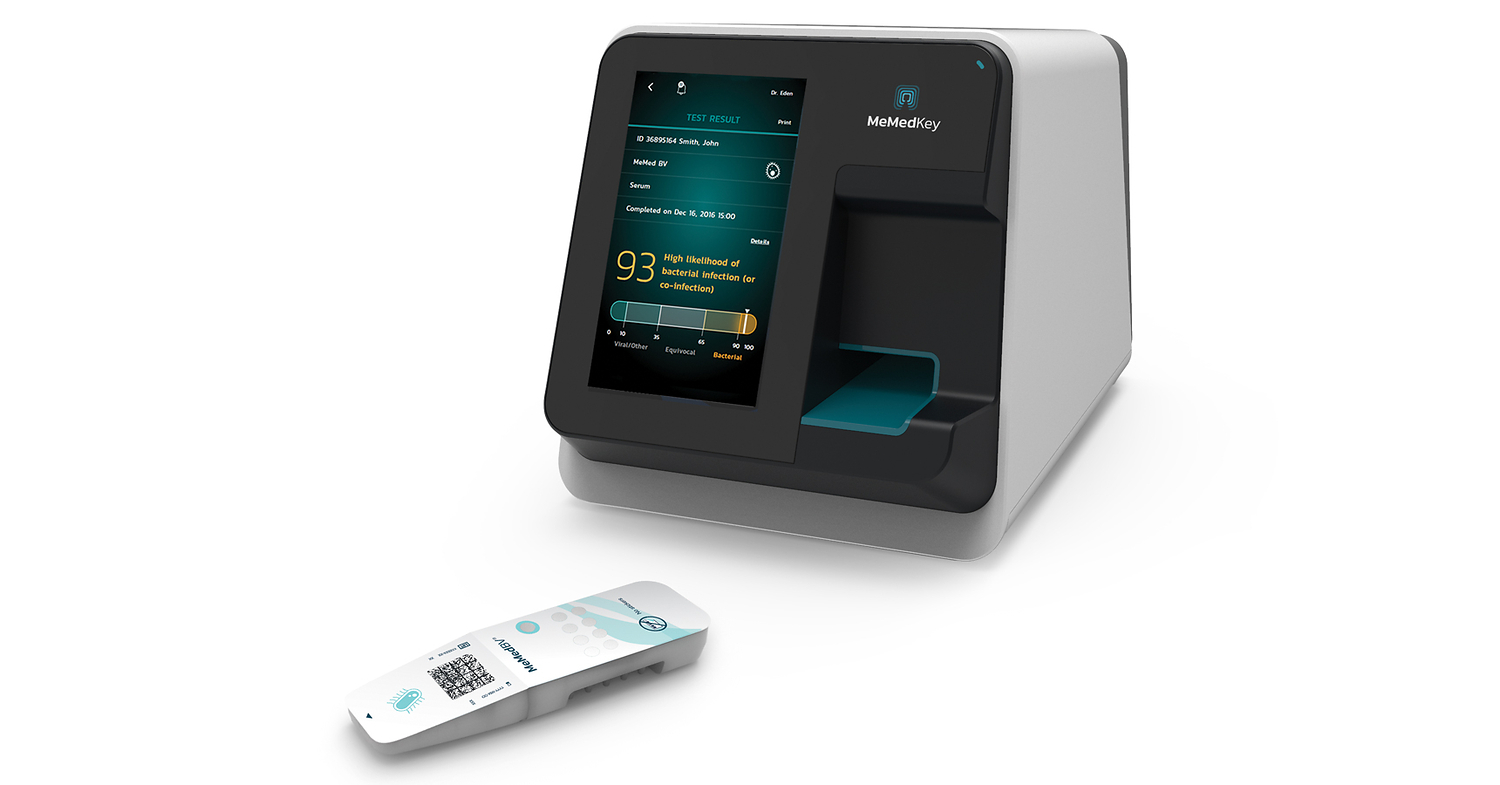
Tampa General Hospital became the first academic health system in the Southeast to integrate MeMed BV, an FDA-cleared 15-minute host-response diagnostic, into its emergency-department sepsis-alert workflow. In a study of 893 ED patients, use of the test reclassified 26% more patients as unlikely to have sepsis, reduced cefepime exposure by 33% and lowered hospitalizations by 13% among sepsis-alert patients. A preliminary analysis estimated savings of about $179,000 per 100 patients from fewer admissions and shorter stays, supporting broader adoption potential for MeMed's diagnostic platform.
Analysis
This is a validation datapoint for clinical workflow adoption rather than a near-term public-equity earnings event: MeMed is private, and one hospital deployment does not establish reimbursement, purchasing velocity, or reproducibility across lower-acuity emergency departments. The reported avoided-admission economics create a powerful hospital ROI argument, but they also make payment alignment the gating issue—health systems capture most savings while the assay vendor needs adequate per-test reimbursement or budget approval. Broader adoption will depend on prospective outcomes, false-negative liability tolerance, and whether results change physician behavior outside a highly integrated academic workflow.
PLTR has indirect narrative support because this type of deployment reinforces the value of embedding analytics into operational clinical workflows rather than selling standalone AI tools. However, there is no disclosed incremental PLTR contract or revenue linkage; the hospital’s existing data platform is an enabling layer, not evidence that this diagnostic adoption expands PLTR ACV. The more investable second-order read-through is for scaled diagnostics incumbents with installed instruments—Danaher (DHR, via Beckman Coulter), Abbott (ABT), Roche (ROG SW)—if host-response testing becomes a reimbursed emergency-department standard, since distribution and lab integration may matter more than assay novelty.
Consensus may overstate the near-term AI-healthcare implication. Diagnostic utilization can reduce admissions, antibiotic use, and length of stay, which is economically attractive to risk-bearing systems but potentially adverse to fee-for-service hospital revenue; this creates uneven adoption incentives and a likely 12-24 month commercialization path rather than a rapid national rollout. The thesis is falsified if subsequent real-world studies fail to show durable admission reduction without increased revisits, if CMS/private-payer coverage does not emerge, or if hospitals cannot demonstrate net savings after assay, integration, and staffing costs.
AllMind Terminal
AI-powered research, real-time alerts, and portfolio analytics for institutional investors.
Request TrialMarket Sentiment
Overall Sentiment
moderately positive
Sentiment Score
0.48
Ticker Sentiment
Key Decisions for Investors
- No directional trade in FLEX, FTRK, or DIA from this item; neither Flex Ltd nor the Dow ETF has a discernible economic linkage, and treating the product name as a ticker catalyst would be a category error.
- Maintain PLTR as a watch-list beneficiary, not a news-driven add: require evidence of a new or expanded Tampa General commercial commitment, or a healthcare-segment booking disclosure, before positioning. A healthcare workflow win could support sentiment over 1-3 months, but absent contract evidence the revenue impact is immaterial.
- Monitor DHR and ABT for host-response assay commercialization milestones over 6-18 months, particularly payer coverage, multisite utilization data, and announced analyzer placements. Prefer DHR only if Beckman system availability converts into disclosed consumables pull-through; otherwise the opportunity remains too small relative to diagnostics revenue.
- Set an alert for CMS coverage, a large group-purchasing organization agreement, or a multi-health-system rollout by MeMed. Any of these would shift the setup from isolated clinical validation to a potential diagnostic-platform adoption cycle and justify deeper work on DHR/ABT/Roche competitive exposure.
More News
- The SaaS debt trap
- The real AI threat isn’t China, it’s accelerationism
- Which Is the Bigger Story for BioNTech -- Its Colorectal Cancer Vaccine Setback or the Lung Cancer Clinical Success?
- ‘We believe in college’: inside Andreessen Horowitz’s $42m unaccredited academy that will charge Harvard prices without degrees
- Wall Street’s Nasdaq hits all-time high as AI frenzy gathers pace
- Data-Center Bet Makes ESDS One of India’s Best New Listings
From AllMind Research
- Anthropic IPO Preview: Valuation, Timing, and What to Watch
- Shein After the IPO: Venue, Valuation, and What Must Be Proved
- What AI Research Tools Should a Small Hedge Fund Buy First?
- Capital Intensity as Gravity: The AI Trade Enters Its Industrial Era (Looking at Q3 2025 Earnings in Tech)
- AI Portfolio Monitoring: Build an Alert Policy Analysts Can Audit