
Tesla: ARK's $4,400 Price Target, Let's Examine
Source: seekingalpha.com
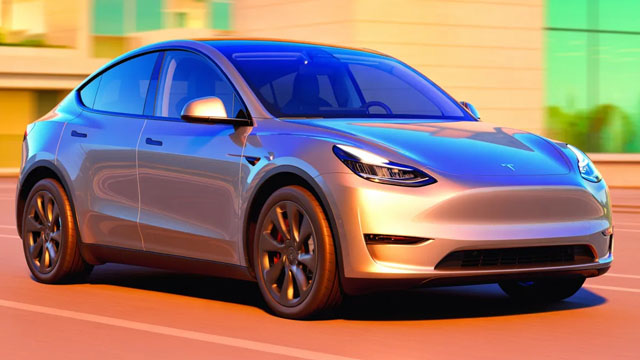
The analyst’s 2031 base case values Tesla at $519 per share, far below ARK’s $4,400 target, reflecting more conservative assumptions for robotaxi and Optimus commercialization. Robotaxi revenue and margin capture, alongside humanoid robotics, are identified as major sources of both upside and valuation risk; timelines remain highly uncertain.
Analysis
The key valuation risk is not whether autonomy or robotics can work eventually, but how much capital and time Tesla must commit before recurring revenue is independently visible. A longer rollout raises the discount applied to those options and leaves the core auto business carrying more of the near-term valuation burden. ARK’s target should be treated as a high-end scenario, not evidence of market consensus; the supplied information does not establish what expectations are embedded in TSLA today.
A successful robotaxi network could add high-utilization service revenue, but may also reduce vehicle replacement demand if fewer cars serve more trips. The net value depends on Tesla capturing fleet economics—not merely demonstrating autonomous driving—and on regulatory access, utilization, insurance costs, and ownership of customer relationships. Uber and Lyft face potential substitution if Tesla builds a compelling closed network; that pressure is conditional, not immediate. Optimus adds another long-duration option, but could compete with automotive and autonomy programs for engineering and capital before it produces verifiable economics.
Over days, this framing alone is not a catalyst. Over 1–3 months, watch for concrete deployment permissions, operating scale, and disclosed unit economics; claims without those measures are weak evidence. Over 6–18 months, repeated delays or rising investment without a credible path to monetization would increase the risk of multiple compression. The contrary case is that investors are underestimating the value of successful autonomy; an outright short therefore risks a sharp repricing. No current valuation, options pricing, or milestone schedule is provided, so position sizing and entry levels cannot be responsibly specified.
AllMind Terminal
AI-powered research, real-time alerts, and portfolio analytics for institutional investors.
Request TrialMarket Sentiment
Overall Sentiment
mixed
Sentiment Score
0.00
Ticker Sentiment
Key Decisions for Investors
- Do not trade the $519-versus-$4,400 valuation gap as a precise price signal: first compare TSLA’s current market value with scenarios that separately discount robotaxi and Optimus, and verify what the market already prices in.
- Use a milestone watchlist before adding exposure: require evidence of permitted operating areas, fleet utilization, paid rides, and economics after insurance and operating costs. A demonstration or company projection alone should not qualify as validation.
- For existing long exposure, consider a defined-risk collar or partial hedge only if option liquidity and implied volatility make the cost acceptable; avoid an unhedged short given the asymmetric upside from a credible autonomy breakthrough.
- Falsification of the cautious-timing thesis: sustained commercial deployment with disclosed, repeatable positive unit economics and expanding regulatory access. Conversely, delays, limited utilization, or rising investment without measurable monetization strengthen the downside case.
More News
- SpaceX records $561 million investment gain from stake in Elon Musk's Boring Co.
- Musk's clash with Ukraine accelerates demand for Starlink alternatives. Few exist
- Markets sell off worldwide as further conflict looms in the Middle East and Elon Musk cuts capex guidance
- Elon Musk’s dream merger is a nightmare for SpaceX shareholders
- Tesla is falling even after earnings. What analysts are saying
- The biggest hurdle to a SpaceX merger with Tesla isn’t Elon Musk. It’s Tesla’s shareholders