
Building the Data Infrastructure for Physical AI: Hesai Launches Kosmo 3D World Data Engine
Source: PR Newswire
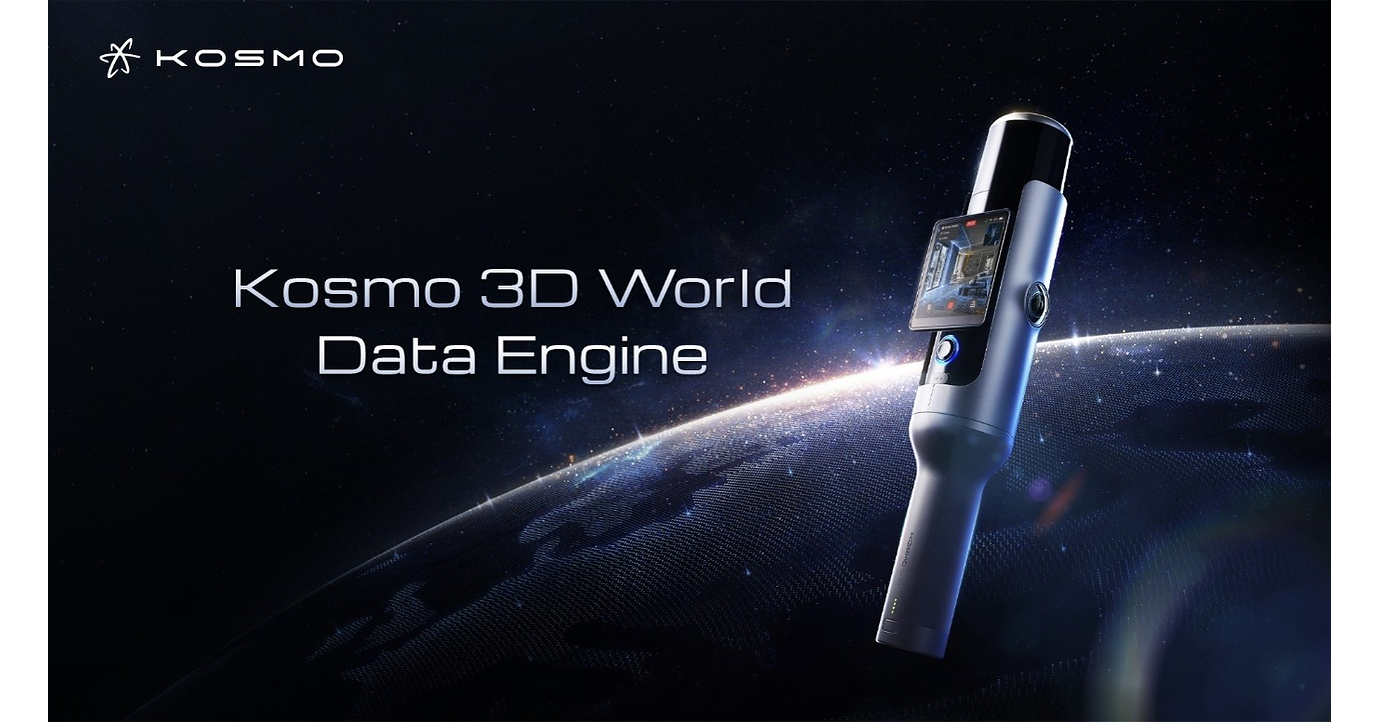
Hesai launched Kosmo, a 3D world data engine combining its Kosmo One spatial camera and Kosmo World platform for robotics, world-model development and creative applications. In a Dairy Queen deployment, scanning and reconstruction took 15 minutes versus about 300 hours of manual modeling; the Sharpa robot reached a 99% task success rate, with failure rate reduced to one-tenth of its prior level. Hesai also reported more than 10,000 cumulative actuation-module deliveries by end-Q2 2026 and expects shipments to reach six figures in 2027.
Analysis
The strategic upside for HSAI is less the camera launch than the possibility of pulling lidar expertise into a recurring software/data layer. If customers repeatedly capture environments, reuse assets and train robots on them, Kosmo could deepen hardware attachment and create services revenue; if scans are mostly one-off projects, the offering risks remaining a low-scale tool rather than a second growth engine. The article is a company release: the Dairy Queen result, efficiency claims and partnerships are proof points, not evidence of repeatable paid deployments or material consolidated earnings.
The ecosystem strategy cuts both ways. Compatibility with NVIDIA Isaac Sim and common creative tools lowers adoption friction, but also makes Kosmo easier to substitute unless HSAI can demonstrate superior data quality, workflow economics or customer retention. NVIDIA may benefit at the margin if richer simulation expands compute demand, but this announcement alone does not establish a meaningful revenue catalyst for NVDA. Over 6–18 months, the more consequential signal is whether robotic customers convert pilots into recurring capture/data contracts and whether the planned actuator shipment ramp becomes delivered volume.
Near term, product-launch enthusiasm may outrun measurable economics. Key risks are slow enterprise adoption, reconstruction quality or synthetic-data limitations in real-world tasks, privacy/access constraints on indoor mapping, and competition from scanning, simulation and mapping providers. Reassess on disclosed commercial deployments, software/services contribution, customer repeat rates and actuator shipment execution; absent those, avoid valuing the roadmap as an established earnings stream.
AllMind Terminal
AI-powered research, real-time alerts, and portfolio analytics for institutional investors.
Request TrialMarket Sentiment
Overall Sentiment
moderately positive
Sentiment Score
0.55
Ticker Sentiment
Key Decisions for Investors
- HSAI: Do not chase the launch on the release alone. Keep it on a catalyst watchlist; consider a starter position only after evidence of paid repeat deployments or reported software/data revenue, with position sizing reflecting that the current evidence is largely company-reported.
- Over the next 1–3 months, track HSAI disclosures for customer conversions, contract economics, repeat usage and segment reporting, and verify whether actuator shipments are tracking toward the stated 2027 ramp. Lack of measurable commercial follow-through would falsify the near-term monetization thesis.
- NVDA: No direct trade from this announcement. Treat Kosmo integration as ecosystem validation, not a standalone demand catalyst; revisit only if broader evidence links real-world simulation adoption to incremental Isaac-related compute demand.
- If HSAI rallies materially without commercial evidence, favor waiting rather than extrapolating pilot metrics. A stronger thesis would require repeatable customer economics; a weaker one is indicated by delayed deployments, no identifiable recurring revenue, or actuator execution slippage.
More News
- US Stocks Tumble as Chip Rout Deepens
- AI infrastructure stocks tumble. Here's a few reasons for the sell-off
- Traders pile into 'bubble puts' on CoreWeave as neocloud stocks plunge
- AI Boom Drives ASML Higher as Nvidia Bets on Europe
- ASML Boosts Outlook as Demand Outpaces Supply
- Nvidia, Anthropic Weigh In On AI Safeguards