
Socfin veröffentlicht seine Nachhaltigkeitsstrategie 2026-2031 und die aktualisierte Richtlinie zur verantwortungsvollen Unternehmensführung
Source: PR Newswire
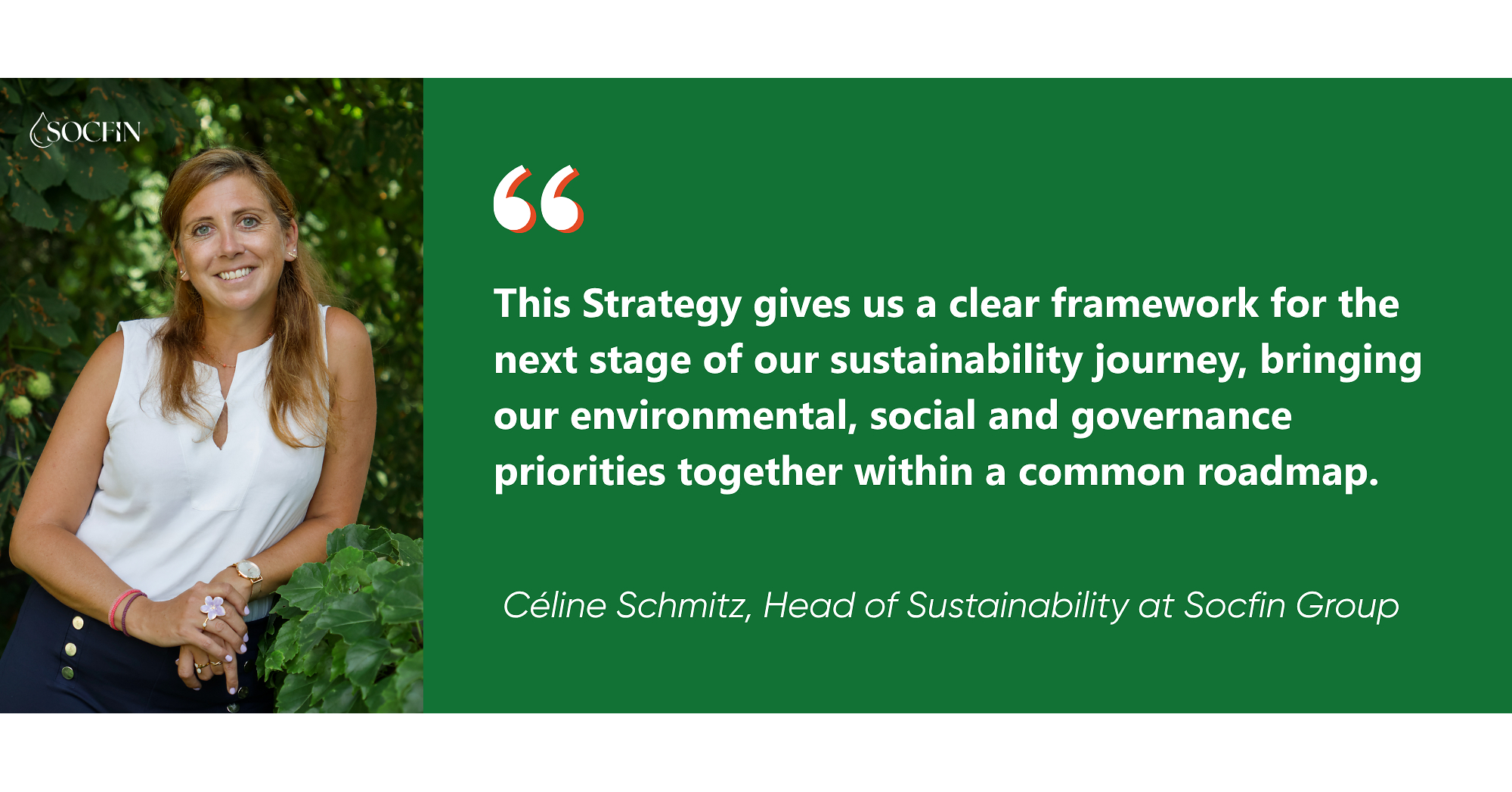
Socfin veröffentlichte eine Nachhaltigkeitsstrategie für 2026–2031 und eine aktualisierte Richtlinie für verantwortungsvolle Unternehmensführung, die fünf ESG-Schwerpunkte für seine Aktivitäten in Afrika und Asien festlegt. Der dreistufige Umsetzungsfahrplan reicht von Compliance und Verpflichtungsaufbau 2026–2027 über Umsetzung und Konsolidierung 2028–2029 bis zu Leistungsüberwachung und kontinuierlicher Verbesserung 2030–2031; konkrete finanzielle Ziele oder Auswirkungen werden nicht genannt.
Analysis
This is a governance signal, not yet an earnings signal. The key market mechanism is whether the new framework converts into auditable plot-level traceability and independently verified human-rights, biodiversity and emissions outcomes. If it does, Socfin may reduce the risk that customers or lenders exclude its output; if not, the more detailed commitments could make gaps easier to identify and amplify reputational or sourcing risk. The group’s staged timetable also implies limited near-term evidence of execution, while implementation costs may arrive before any commercial benefit.
Second-order exposure sits with buyers: palm-oil and natural-rubber customers may face greater supplier-screening and documentation burdens, while rival producers with demonstrably stronger traceability could gain preferred-supplier status. For downstream tire makers, credible natural-rubber traceability may reduce supply-chain risk, but this release alone does not establish a change in volumes, pricing or procurement.
The contrarian read is that publishing a roadmap can raise scrutiny without changing land-use or labor practices. Treat the announcement as modest risk-management progress, not proof of compliance or a basis to re-rate the sector. Socfin is not mapped to a tradable ticker here, and the release gives no quantified capex, certification coverage, baseline metrics or verified outcomes. Near-term price impact should therefore be limited; the more material 1–3 month signal is third-party validation, customer response and measurable reporting. Over 6–18 months, execution and any resulting procurement preference matter more than the policy document itself.
AllMind Terminal
AI-powered research, real-time alerts, and portfolio analytics for institutional investors.
Request TrialMarket Sentiment
Overall Sentiment
neutral
Sentiment Score
0.10
Key Decisions for Investors
- No direct trade on the announcement: Socfin has no supplied ticker mapping, and the release provides no quantified financial impact. Avoid treating policy publication as evidence of improved operating performance.
- Add Socfin and relevant palm-oil/natural-rubber supply chains to a watchlist. Seek verification of traceability coverage, independent assurance, certification status, implementation spending and dated progress against measurable baselines.
- Monitor downstream buyers and tire makers for supplier-policy changes, sourcing disclosures or evidence of substitution. A documented shift in procurement toward traceable suppliers would be a stronger catalyst than the strategy launch.
- Falsify the modestly constructive risk view if follow-up reporting shows weak or unverifiable implementation, material disputes or sourcing restrictions; strengthen it only if independent evidence demonstrates execution and customer acceptance.
More News
- Trump's diesel agreement with Putin accused of contradicting Russia sanctions law
- Trump reaches Russian diesel supply deal as U.S. fuel prices surge
- ‘I drive a Tesla’: After Elon Musk said he’d lose his job, Delta CEO Ed Bastian says there’s ‘no tit for tat’ as airline unveils earnings miss
- Trump struck a diesel deal with Putin just weeks after signing Russia sanctions. Zelenskyy calls it ‘a weak decision’
- Why is the Chinese stock market missing the AI rally
- Trump announces Russian diesel deal amid soaring US fuel prices
From AllMind Research
- Anthropic IPO Preview: Valuation, Timing, and What to Watch
- Shein After the IPO: Venue, Valuation, and What Must Be Proved
- What AI Research Tools Should a Small Hedge Fund Buy First?
- Capital IQ Alternatives for Research and Deal Work
- Research Workflows, Report Format Selection, and Interactive Synthesis