
Leopard Imaging Introduces DragonFire High-Performance Uncooled Infrared Camera Module for Industrial Thermal Imaging
Source: PR Newswire
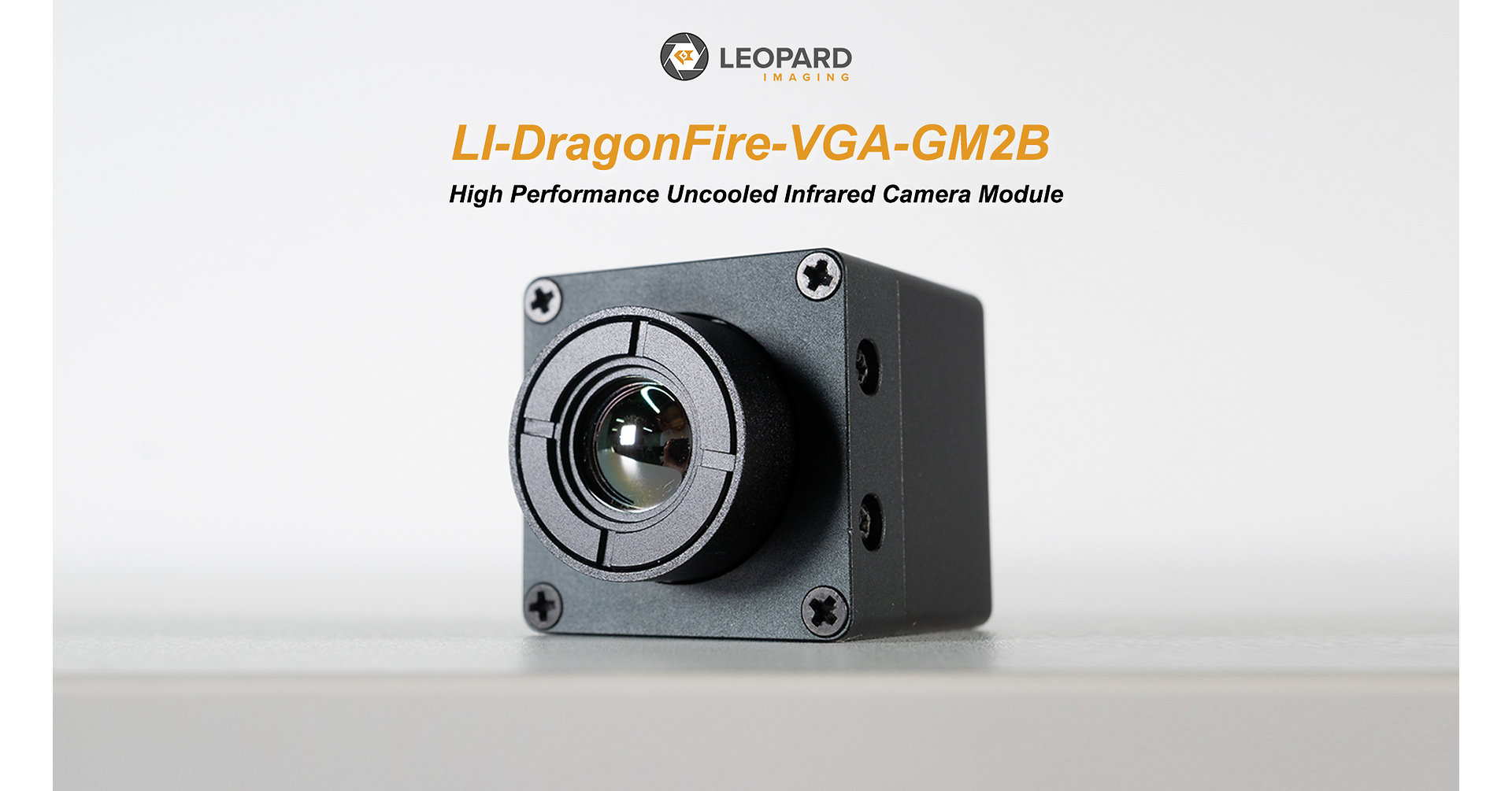
Leopard Imaging launched the LI-DragonFire-VGA-GM2B uncooled infrared thermal camera module for industrial use, featuring 640×512 resolution with 12×12μm pixels and NETD as low as 40mK. It supports real-time thermal imaging at 30/60Hz and temperature measurement from -20°C to +160°C (wide-range mode 50°C to +600°C), with power draw under 1W in a ~58g compact design. The offering includes an ADI MAX96717 GMSL2 serializer for high-bandwidth, embedded integration, which is incremental product-positive but unlikely to be market-moving.
Analysis
This reads as a cost/performance inflection in industrial sensing, not a near-term earnings event. The important mechanism is that a smaller, lower-power thermal module lowers the integration hurdle for OEMs building robots, inspection systems, and safety equipment, which can expand unit demand faster than ASPs. That tends to shift value away from standalone thermal hardware toward the connectivity, image-processing, and downstream software layers.
The clearest indirect beneficiary is ADI: if thermal modules become a standard embedded option, serializer/interconnect content and adjacent analog attach rates rise across the bill of materials. By contrast, premium thermal incumbents such as TDY/FLIR are exposed if this format standardizes and pushes thermal sensing into more price-sensitive industrial designs, though the first-order hit is likely modest because calibration, software, and support still matter more than raw sensor specs.
Timeline matters: over the next few days this is mostly sentiment, but over 1-3 months we should watch for design-win announcements, distributor commentary, and any evidence that thermal is moving from niche inspection into mainstream automation platforms. Over 6-18 months, the risk is commoditization: once multiple vendors ship comparable modules, margins migrate to the software and systems integrators, not the camera vendors. The thesis is falsified if industrial adoption remains confined to a handful of niche inspection use cases or if accuracy/calibration issues prevent broad OEM adoption.
AllMind Terminal
AI-powered research, real-time alerts, and portfolio analytics for institutional investors.
Request TrialMarket Sentiment
Overall Sentiment
mildly positive
Sentiment Score
0.15
Key Decisions for Investors
- No immediate standalone trade in the headline company; treat this as a watch item rather than a conviction signal. The market impact is likely too small until there are actual OEM design wins.
- Add ADI on weakness as a 6-12 month pick-and-shovels long: modestly positive asymmetry if embedded thermal/vision content broadens. Risk/reward is better than chasing the sensor OEMs because ADI monetizes the interconnect layer regardless of which module wins.
- Keep TDY on a short watch list, but do not short outright yet. Reassess if management commentary points to pricing pressure, slower industrial camera orders, or evidence that thermal modules are becoming a standardized low-cost feature.
- Use XLI or BOTZ only as a second-order expression if follow-on data show real adoption in robotics/automation order books. This is a lower-conviction, diversified way to play broader sensor attach, but the trigger needs to be confirmed demand, not a press release.
- Set an alert for industrial automation commentary over the next 1-3 months; if we see multiple design wins or channel checks showing thermal becoming a default option, then consider a small ADI/TDY pair trade with a 2:1 or better upside/downside skew.
More News
- Christine Lagarde: IMFC Statement
- Palantir patient data tech rejected by many NHS trusts in England
- Why did CoreWeave stock get crushed this week? Look to this corner of the debt market for clues
- Diageo's Toxic Spill Hits Pristine River in Scottish Whisky Country
- AI stock sell-off ramps up over debt-fueled data center spending fears: ‘Full-blown crisis of confidence'
- Wall Street Anxiety Spreads as AI Rout Meets $110 Oil Shock