
CDTL präsentiert E-Drive und EMB auf der IAA Transportation 2026
Source: PR Newswire
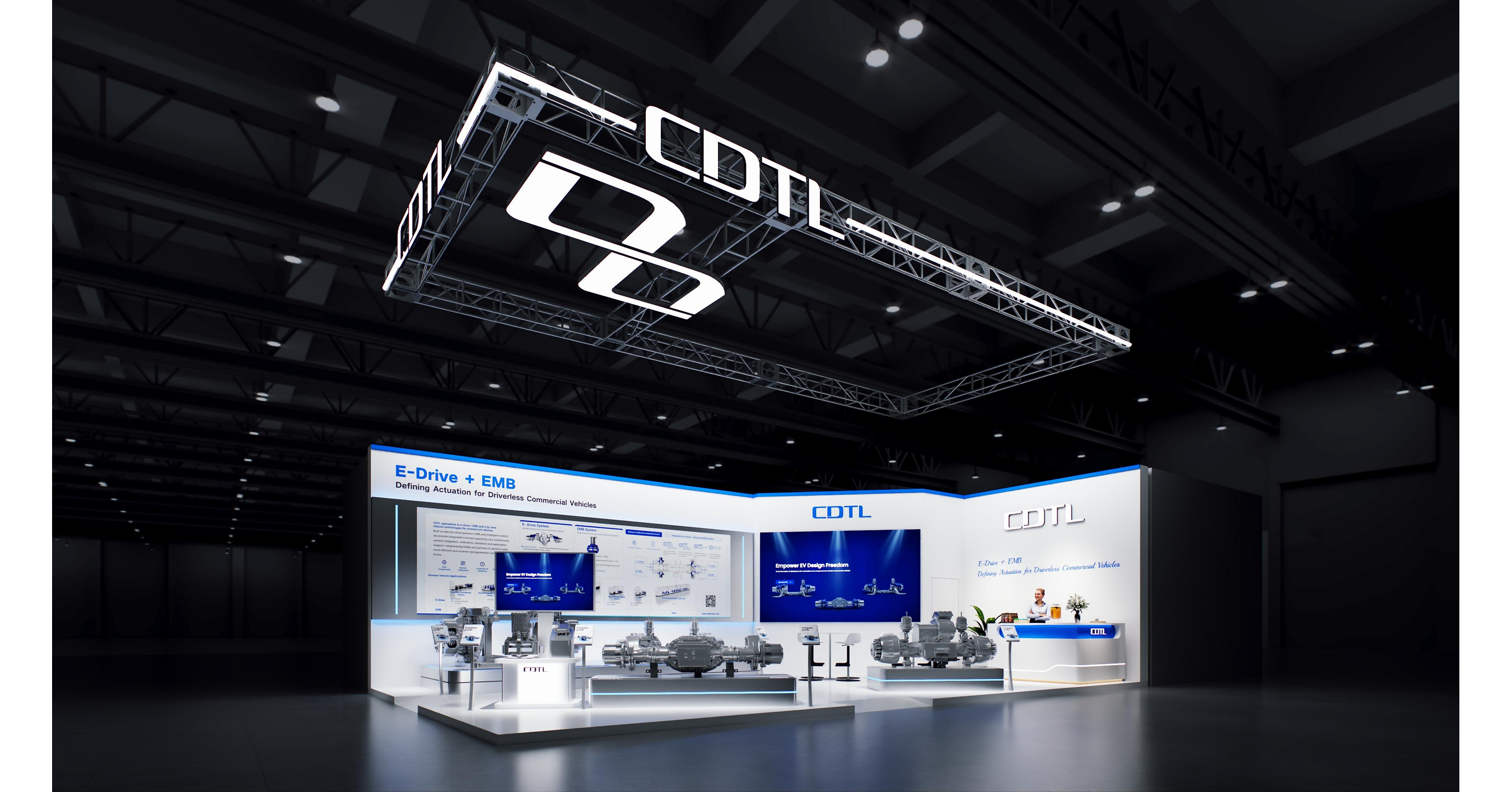
CDTL will showcase its EA5000NP decentralized electric axle for heavy commercial vehicles, electromechanical braking (EMB) system, and other e-drive products at IAA Transportation 2026 in Hannover on September 15-20. The company positions its integrated “E-Drive + EMB” platform as a physical-control solution for electrified, software-defined and autonomous trucks, buses and transit applications. The announcement is a product-display and technology-positioning update, with no financial targets, customer awards or sales figures disclosed.
Analysis
This is not independently verifiable demand evidence; it is a trade-show positioning event with no disclosed customer awards, production volumes, pricing, homologation status, or revenue contribution. The near-term read-through for listed commercial-vehicle suppliers is therefore limited, but the product architecture reinforces a longer-duration shift in value capture from mechanical braking and driveline hardware toward integrated power electronics, controls, software, and safety validation.
Over 6-18 months, electromechanical braking is potentially more disruptive to incumbent brake suppliers than e-axles are to established electrification vendors. EMB eliminates hydraulic components and can improve packaging, maintenance and regenerative-braking optimization, but redundancy, functional-safety certification, brake regulations, fleet uptime requirements, and OEM liability make adoption substantially slower than a technology demonstration implies. Knorr-Bremse (KBX.DE) and Wabco-owner ZF are exposed to the risk of component-content dilution if OEMs source integrated axle/control modules; conversely, their installed base, certification expertise, and service networks remain meaningful barriers.
The non-obvious beneficiary is semiconductor and power-module content rather than an unlisted actuator vendor: decentralized torque and brake control raise demand for automotive-grade MCUs, gate drivers, sensors, SiC/MOSFET power devices, and redundant communications. NXP (NXPI), Infineon (IFX.DE), and onsemi (ON) gain only if commercial EV build rates convert from prototypes to serial production; current evidence does not establish that conversion. Consensus may overstate near-term autonomous-truck penetration: driverless operation needs fail-operational actuation, but fleet economics and regulation—not component availability—remain the binding constraints.
No directional trade is warranted before IAA. Reassess after the event only if CDTL identifies named Western OEM programs, SOP dates, annual unit commitments, or regulatory approvals. A bearish read-through for incumbent braking suppliers requires evidence of an OEM adopting EMB in high-volume heavy-duty production, while a stronger-than-expected commercial-EV order cycle and rising SiC content per vehicle would falsify the restrained supplier view.
AllMind Terminal
AI-powered research, real-time alerts, and portfolio analytics for institutional investors.
Request TrialMarket Sentiment
Overall Sentiment
mildly positive
Sentiment Score
0.28
Key Decisions for Investors
- No immediate position: treat this as a technology watch item rather than a catalyst for KBX.DE, IFX.DE, NXPI, or ON; the stated impact is too low and CDTL is not publicly traded.
- Set an IAA-event alert for disclosed OEM design wins and serial-production dates. If a named European or North American heavy-truck OEM confirms EMB deployment beginning within 24 months, review a 6-12 month relative short in KBX.DE versus long IFX.DE; require confirmation of volume, certification status, and supplier content allocation before entry.
- Maintain a 6-18 month watchlist long bias toward IFX.DE/NXPI over pure commercial-vehicle assemblers if fleet electrification orders accelerate, as control and power-semiconductor content scales with axle and brake electrification. Falsifier: commercial-EV order cancellations, SiC pricing compression, or OEMs retaining centralized architectures.
- Avoid extrapolating autonomous-vehicle exposure into a long ON or NXPI trade absent fleet deployment data; autonomous trucking timelines remain vulnerable to regulation and depot/charging economics, creating a material risk of multiple compression after promotional product announcements.
More News
- What next for France as riots rattle markets? Three questions facing investors ahead of more protests
- AI Doubts Spread Cracks in Equities, Credit Markets: Evening Briefing Americas
- Vertex reports positive IgAN trial data, FDA decision due Nov. 30
- Elon Musk’s dangerous grip on outer space
- With earnings in rearview mirror, SpaceX-Tesla merger chatter takes center stage
- ‘There’s nothing temporary about a temporary store’: How Spirit Halloween’s CEO took it from 130 stores to 1,550—and swallowed your mall’s Hot Topic