
CDTL presentará sus sistemas E-Drive y EMB en IAA Transportation 2026
Source: PR Newswire
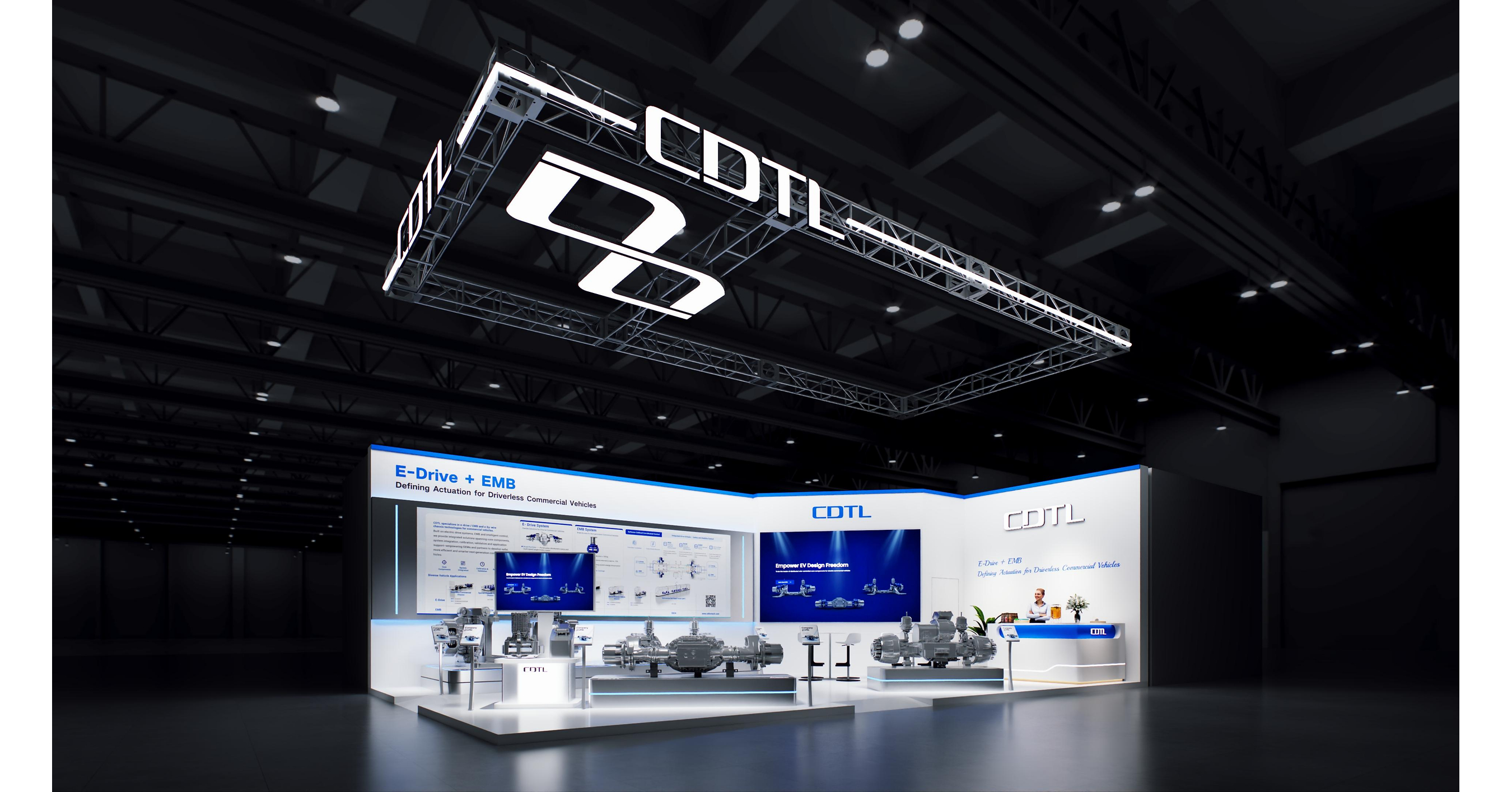
CDTL will showcase its EA5000NP distributed electric axle and electromechanical braking (EMB) system for heavy commercial vehicles at IAA Transportation 2026 in Hannover on September 15-20. The company positions its integrated E-Drive + EMB platform as a physical actuation layer for electrified, software-defined and autonomous trucks, buses and public-transit applications. The announcement is a product-marketing update with no disclosed financial metrics, commercial contracts, or guidance.
Analysis
This is not a tradable catalyst absent disclosed OEM nominations, production-volume commitments, pricing, or certification milestones. The strategic signal is that commercial-vehicle electrification is shifting from battery/drive-unit content toward safety-critical, software-controlled actuation; suppliers able to integrate propulsion, braking, controls and functional-safety validation can gain content per vehicle, but the qualification cycle is typically measured in years rather than quarters.
The nearer competitive read-through favors established global brake and commercial-vehicle system suppliers—Knorr-Bremse (KBX.DE), ZF (private), Wabco/Westinghouse aftermarket assets within ZF, and Bosch (private)—because EMB adoption in heavy vehicles requires redundancy architecture, fleet-service coverage, homologation and OEM liability support. Chinese drivetrain suppliers can pressure pricing in electric-axle hardware, particularly in export bus and municipal-vehicle tenders, but will face a materially higher barrier in brake-by-wire due to regulatory validation and customer warranty risk.
Over 6-18 months, a credible integrated E-drive/EMB platform could compress the addressable market for discrete axle, pneumatic-brake and some mechanical-actuation components while improving regenerative-braking utilization and potentially lowering fleet maintenance cost. The contrarian point is that autonomous-commercial-vehicle rhetoric overstates near-term demand: fleets will not pay for EMB merely for automation unless it produces measurable total-cost-of-ownership savings, redundancy compliance and uptime improvement. The thesis is falsified if European heavy-truck OEMs delay software-defined vehicle architectures, regulators maintain restrictive approval pathways, or announced systems fail to convert into named serial-production awards.
AllMind Terminal
AI-powered research, real-time alerts, and portfolio analytics for institutional investors.
Request TrialMarket Sentiment
Overall Sentiment
mildly positive
Sentiment Score
0.28
Key Decisions for Investors
- No directional position on CDTL-related news: monitor IAA announcements through September 20 for named OEM awards, annual unit volumes, SOP dates and independently validated EMB certifications; without these, treat the release as marketing rather than an earnings catalyst.
- Maintain a 6-12 month watch on Knorr-Bremse (KBX.DE) for EMB adoption evidence. Consider adding only if management identifies incremental order intake or margin-accretive electronic-braking content; key downside trigger is evidence of China-led pricing pressure or delayed European truck production.
- For public-market exposure to commercial EV adoption, prefer a selective long Volvo AB (VOLVB.SS) or Daimler Truck (DTG.DE) versus a short broad auto-supplier basket only after order data demonstrate fleet electrification acceleration; the current product-show signal alone is insufficient to establish a pair trade.
- Set an alert for EMB regulatory/type-approval milestones and serial-production nominations at Daimler Truck, Traton (8TRA.DE), Volvo AB and Iveco (IVG.MI). A named platform win with a 2028-29 start of production would be the relevant catalyst for suppliers, not exhibition visibility.
More News
- What next for France as riots rattle markets? Three questions facing investors ahead of more protests
- AI Doubts Spread Cracks in Equities, Credit Markets: Evening Briefing Americas
- Vertex reports positive IgAN trial data, FDA decision due Nov. 30
- Elon Musk’s dangerous grip on outer space
- With earnings in rearview mirror, SpaceX-Tesla merger chatter takes center stage
- ‘There’s nothing temporary about a temporary store’: How Spirit Halloween’s CEO took it from 130 stores to 1,550—and swallowed your mall’s Hot Topic