
Dryden Ribbon Cutting and Tolling of the Bell Open a New Chapter for FHU
Source: PR Newswire
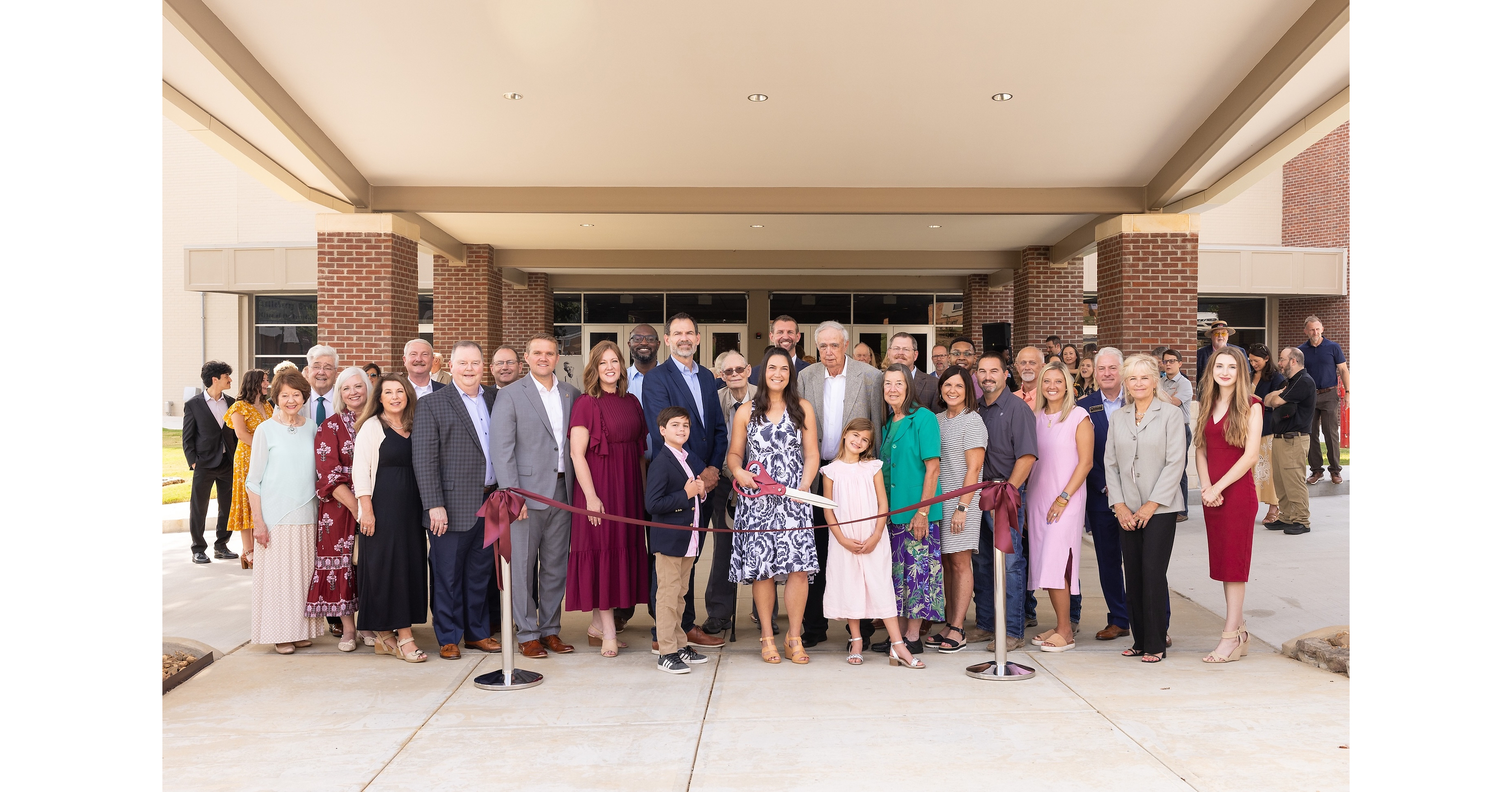
Freed-Hardeman University (FHU) marked the start of its 157th academic year with a ribbon-cutting for the newly renovated David Thomas Dryden Auditorium in Henderson, Tennessee, completing a two-year renovation project. The auditorium upgrades include updated seating, flooring, paint, sound, audiovisual systems, plus accessibility improvements such as an elevator and a covered exterior porte-cochère. The article is a campus/community milestone with no stated financial impact (e.g., no funding, revenue, or cost disclosures).
Analysis
This reads more like a balance-sheet/brand-maintenance event than a fundamental catalyst. For a private university, visible reinvestment in student-facing assets can matter at the margin through donor engagement, retention, and tuition pricing power, but the economic payoff is usually slow and highly local unless it is paired with a step-change in enrollment or fundraising. The immediate market implication is basically nil unless financing details reveal leverage or liquidity strain.
The only potentially investable read-through is second-order: schools that keep modernizing campus experience can defend against the broader secular pressure from shrinking college-age cohorts and rising consumer skepticism about tuition value. That favors institutions with stronger donor bases and operating flexibility, while undercapitalized peers may be forced into deferred maintenance that gradually erodes admissions conversion. Any contractor, AV integrator, or accessibility vendor benefit is one-off and not durable enough to build a public-equity thesis on without a named supply chain.
Contrarian view: the consensus tends to treat these ribbon-cutting stories as positive signaling, but they often simply confirm that capex had to be spent to stay competitive. If debt-funded, the project could even be mildly negative for credit over 6-18 months if there is no measurable enrollment uplift. The thesis would be falsified if management later quantifies higher net tuition revenue, larger donor inflows, or improved retention tied to the renovation; absent that, this is just maintenance with a marketing layer.
AllMind Terminal
AI-powered research, real-time alerts, and portfolio analytics for institutional investors.
Request TrialMarket Sentiment
Overall Sentiment
neutral
Sentiment Score
0.00
Key Decisions for Investors
- No immediate equity trade in FOFA, MODC, or UNIB: this event has no identifiable public-market earnings or margin transmission unless a named vendor or financier emerges.
- Watch private higher-education credit for 1-3 months: if the university discloses debt-financed capex or weaker liquidity, it would be a modest negative for nearby credits and higher-ed issuers with similar leverage profiles.
- If you want a thematic expression, prefer a selective long in education infrastructure/AV only after supplier confirmation; otherwise avoid guessing on one-off campus renovation spend.
- Set a falsifier alert: if the school reports no enrollment or fundraising lift by the next admissions cycle, treat the project as non-economic and fade any bullish read-through on the sector.
More News
- Why is T-Mobile stock tumbling today?
- Why is Verizon stock sliding today?
- SpaceX wants to become a 'major mobile carrier' with low-band spectrum acquisition
- Soitec climbs 7% as BofA turns bullish on silicon photonics demand
- US suspends Microsoft and Adobe from visa programme amid fraud claims
- How October 7 changed Lebanon and Hezbollah’s political reality