
New Jersey American Water and Salem City Celebrate Completion of $21.3 Million PFAS Treatment Project
Source: PR Newswire
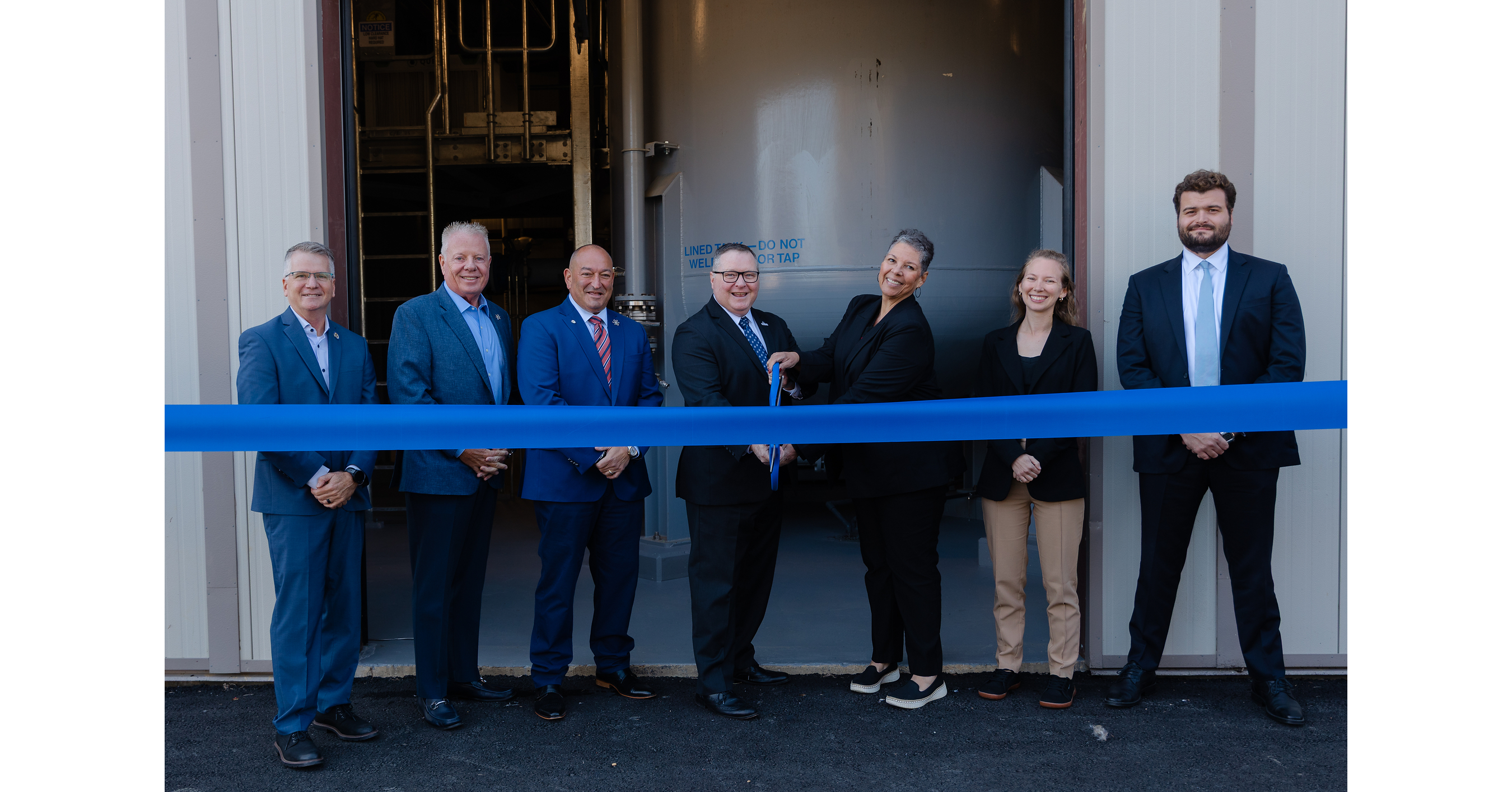
New Jersey American Water completed a $21.3 million PFAS treatment and modernization project at Salem’s water treatment plant, with capacity to treat up to 2 million gallons per day. The system entered service in November 2025 and addresses drinking-water requirements after the acquired system had not met applicable PFAS regulations. The company says it invested more than $28 million in Salem water and wastewater infrastructure in its first two years of ownership and plans another $48 million over five years.
Analysis
The investable read-through is regulatory-risk reduction, not a near-term earnings catalyst. Completing one municipal PFAS project may lower Salem-specific compliance and execution risk, while reinforcing American Water’s ability to win or retain municipal systems where local governments lack capital and operating expertise. That could support the long-run acquisition pipeline, but this single project does not establish a broader earnings uplift.
The counterweight is rate-base timing: the investment and planned follow-on work create potential regulated asset growth only to the extent costs are prudent and recoverable through New Jersey rates. Recovery timing, allowed returns, and affordability constraints matter more to value than the completion announcement. Granular activated carbon also implies ongoing media replacement and residuals-management needs; verify those operating costs and the treatment system’s measured performance before assuming the compliance burden is permanently closed.
Over days, expect limited fundamental price impact. Over 1–3 months, monitor New Jersey regulatory filings and any cost-recovery treatment. Over 6–18 months, broader PFAS compliance spending could support utility capital growth, but may also pressure customer bills and invite tougher regulatory scrutiny. The contrarian point: the positive headline risks making capex sound automatically accretive; the return depends on recovery and execution. Thesis weakens if regulators disallow material costs, operating or disposal costs exceed plans, or monitoring shows the system is not consistently meeting applicable limits.
AllMind Terminal
AI-powered research, real-time alerts, and portfolio analytics for institutional investors.
Request TrialMarket Sentiment
Overall Sentiment
mildly positive
Sentiment Score
0.35
Ticker Sentiment
Key Decisions for Investors
- No standalone trade on this announcement: the project is too small and the release provides no earnings, rate-base-return, or market-pricing data to establish an attractive risk/reward.
- Treat AWK as a conditional regulated-capex beneficiary, not a direct PFAS-equipment winner. Before adding exposure on this thesis, verify New Jersey rate-case treatment, the timing of recovery, and whether the additional planned investment is eligible for rate-base inclusion.
- Set a 1–3 month monitoring trigger for New Jersey regulatory filings and disclosures on Salem project costs, operating expenses, and PFAS test results; adverse recovery decisions or persistent performance issues would falsify the de-risking thesis.
- For a 6–18 month sector view, track PFAS compliance requirements and utility capital plans alongside customer-bill affordability and allowed returns. Broader spending is constructive for asset growth only if regulators permit timely, adequate recovery.
More News
- Trump says Iran war will end 'when I want it to' as costs reportedly balloon to $47 billion
- SK Hynix third-quarter profit sharply beats estimates on AI memory boost
- SK Hynix Posts Record Profit Amid AI Rush
- Anthropic's IPO could be 'speculative fiction' or a 'generational moment' — investors are split
- Anthropic IPO Seeks Investors, With Risks of Catastrophe, Rogue AI
- Anthropic Gives Traders a Pure-Play Bet on Frontier AI