
Curology® Marks 6M Patients Served With Limited-Edition Custom FormulaRx Bottle
Source: PR Newswire
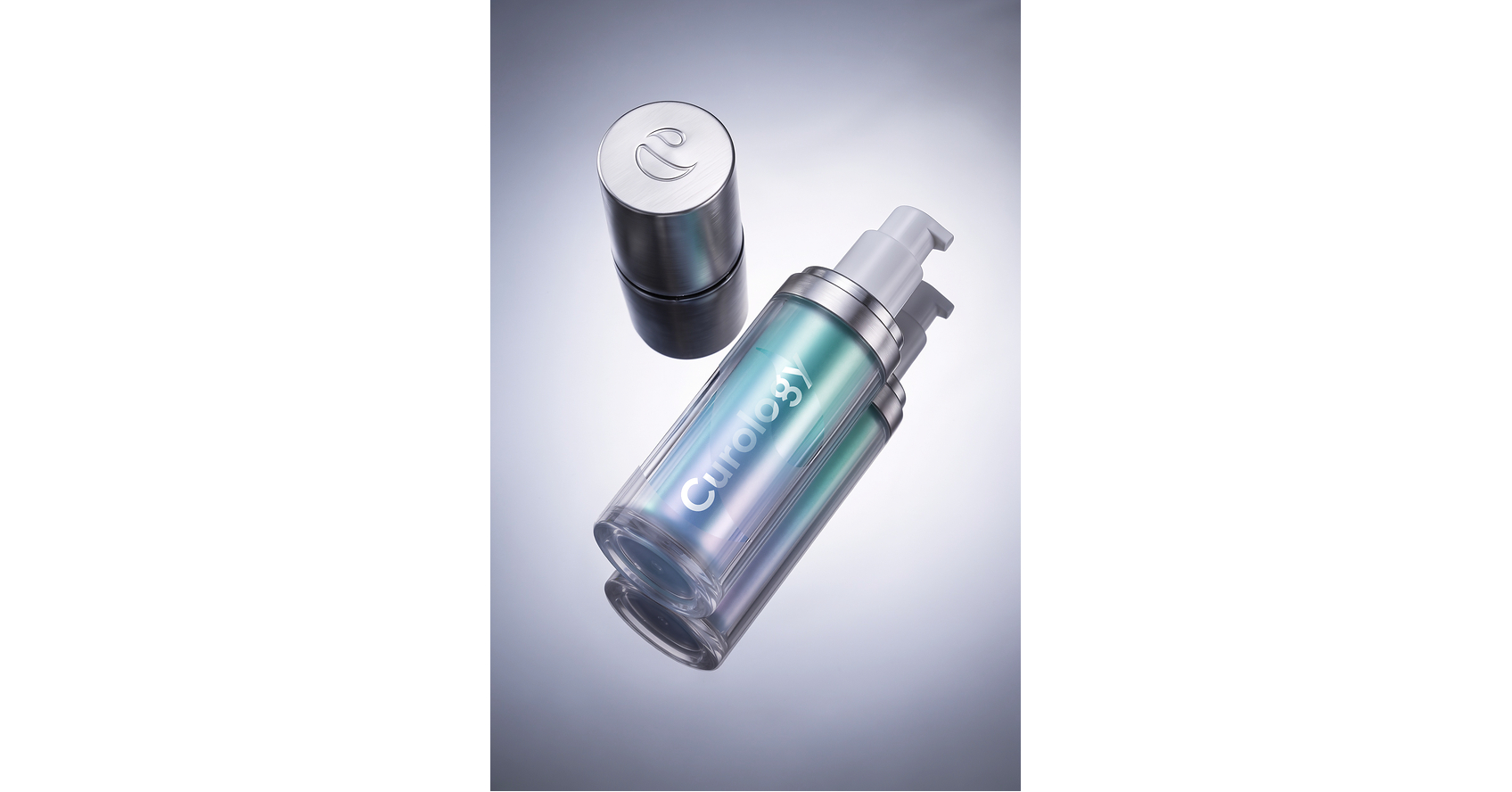
Curology announced it has served more than 6 million patients nationwide and shipped over 28 million Custom FormulaRx bottles since its first shipment in September 2015. The company is releasing a limited-edition bottle design and offering eligible new subscribers their first bottle free, excluding $5.45 shipping. Curology cited a 12-week, 150-patient self-reported trial in which 95% of participants reported acne improvement.
Analysis
This is not a public-markets catalyst: Curology is private, the product change is promotional rather than a clinically differentiated launch, and the disclosed engagement metrics lack the cohort retention, CAC, payback and contribution-margin data needed to infer enterprise-value impact. The subsidized first shipment is more informative as a demand-generation signal than as evidence of pricing power; if broadly deployed, it could raise near-term acquisition volume while worsening CAC and creating adverse-selection risk among trial users.
The relevant read-through is modestly negative for incumbent acne-treatment brands if direct-to-consumer teledermatology continues to bundle prescription access, consultation and fulfillment into one subscription. The greater structural pressure is on cash-pay dermatology visits and branded topical regimens rather than on generic-drug manufacturers: compounded/personalized formulations can shift the consumer relationship and recurring revenue to the platform, while active-ingredient suppliers retain lower-margin volume exposure. Hims & Hers Health (HIMS) is the closest liquid sentiment proxy, but Curology's milestone alone does not establish a material change in HIMS's addressable market or growth rate.
Over the next 1-3 months, watch whether the introductory offer appears in paid-social intensity, app-ranking gains, or broader discounting across teledermatology. A sustained escalation would signal category-level CAC inflation, which is unfavorable to subscription-health multiples even if top-line growth initially accelerates. Over 6-18 months, the key risk is regulatory scrutiny of telehealth prescribing and pharmacy/compounding practices; tighter standards would favor scaled, compliant platforms but could impair the convenience economics underpinning the category.
Contrarian view: promotional milestones are often mistaken for evidence of durable penetration. Without evidence that newer cohorts retain after the introductory period and generate positive contribution profit after clinical and fulfillment costs, the most likely implication is competitive marketing noise—not a rerating catalyst for listed digital-health names.
AllMind Terminal
AI-powered research, real-time alerts, and portfolio analytics for institutional investors.
Request TrialMarket Sentiment
Overall Sentiment
mildly positive
Sentiment Score
0.32
Key Decisions for Investors
- No standalone trade on this release; avoid using it as a directional catalyst for HIMS or broader digital-health ETFs given the private-company source and low disclosed financial materiality.
- Set a 1-3 month HIMS watch item: reassess long exposure only if management discloses dermatology subscriber growth with stable or improving CAC payback and contribution margin despite increased category promotion. A material deterioration in marketing efficiency would falsify the benign-competition view.
- For investors already long HIMS, treat a broad rise in teledermatology promotional activity as a margin-risk hedge trigger rather than a revenue-positive signal; reduce exposure if next-quarter guidance implies accelerating sales and marketing faster than revenue or lower adjusted EBITDA margin.
- Monitor FDA/state telehealth and compounding-policy developments over 6-18 months. A restrictive prescribing or fulfillment rule would be a category de-rating risk; a clear compliance framework could instead consolidate share toward scaled platforms with stronger clinical infrastructure.
More News
- This AI-picked stock jumps 18% on Amazon’s $8 billion power deal
- Asian stocks rise as oil retreat eases inflation fears, BOJ in focus
- US to Sell F-35s to Saudi Arabia in $24.3 Billion Deal
- Crusoe raises $3.9B to build massive data centers and small modular “AI factories”
- Jensen Huang says Nvidia will sell twice as many chips next year
- Waymo to launch robotaxis in Singapore, its first Southeast Asia market, by 2028
From AllMind Research
- Anthropic IPO Preview: Valuation, Timing, and What to Watch
- Shein After the IPO: Venue, Valuation, and What Must Be Proved
- What AI Research Tools Should a Small Hedge Fund Buy First?
- Capital IQ Alternatives for Research and Deal Work
- Research Workflows, Report Format Selection, and Interactive Synthesis