
Citigroup Just Opened a "90-Day Catalyst Watch" on SpaceX, While JPMorgan Chase More Than Doubled Its Price Target. Here's Why Wall Street Is Now So Bullish on the Stock
Source: fool.com
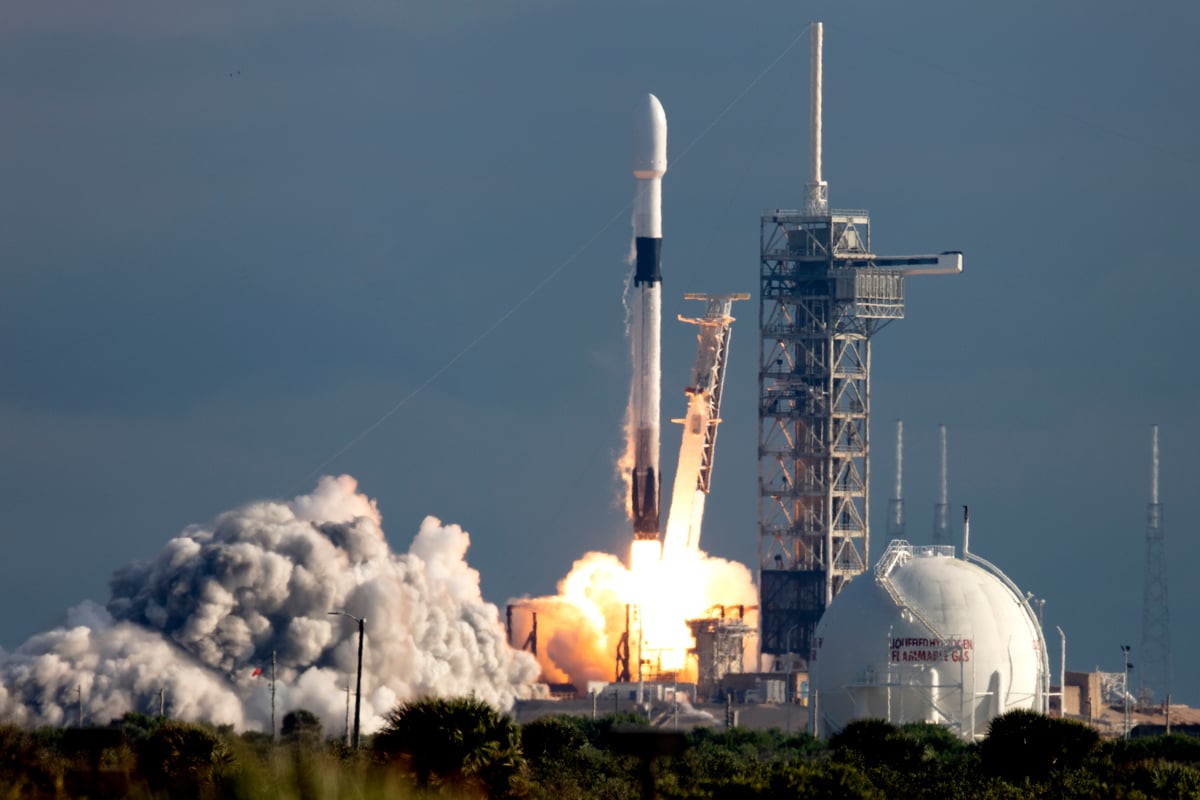
SpaceX reported Q3 revenue of about $14.6 billion, nearly $1.7 billion above consensus, and net income of $4.4 billion; its forecast of $33 billion-$37 billion in Q1 2027 revenue exceeded prior estimates of $22 billion, and shares rose nearly 8% the following day. Citigroup raised its target to $240 and put the stock on an upside 90-day catalyst watch, while JPMorgan more than doubled its target to $500, citing AI compute growth and revenue potential. The article flags execution risk: SpaceX had 1.7 GW of compute at Q3-end and would need to scale rapidly to meet Musk’s 10 GW target for 2027, while substantial capital and sustained AI demand are also required.
Analysis
The key exposure is not the space narrative but whether planned compute capacity becomes financeable, powered, connected, and highly utilized before depreciation and interest costs outrun rental revenue. If supply ramps faster than AI demand, additional capacity could weaken compute-rental pricing across the market; hyperscalers and other buyers gain bargaining power even as data-center, power, and networking suppliers initially benefit from buildout. These are conditional spillovers, not confirmed order wins.
The near-term catalyst path is milestone-driven: quarterly revenue conversion, disclosed capex/funding, and progress on compute deployment matter more than aspirational run-rate claims. Starship’s next launch may move sentiment, but does not by itself validate compute economics. Over 6–18 months, execution delays or debt-funded capex could turn a growth story into balance-sheet and dilution risk. The capacity and revenue figures also need reconciliation: clarify whether the 10 GW is incremental or total, and distinguish contracted/recognized revenue from annualized run-rate targets.
Contrarian risk/reward is asymmetric after optimism has broadened: a modest schedule slip or lower utilization could challenge expectations, while successful delivery may sustain momentum. But the supplied information lacks valuation, capital-spend, funding, and contract data to size a short responsibly. Treat the analyst targets as opinion, not independent proof. Any read-through to TSLA is sentiment-only; SpaceX execution does not establish Tesla’s operating outlook.
AllMind Terminal
AI-powered research, real-time alerts, and portfolio analytics for institutional investors.
Request TrialMarket Sentiment
Overall Sentiment
moderately positive
Sentiment Score
0.38
Ticker Sentiment
Key Decisions for Investors
- Do not chase SPCX solely on analyst target revisions. Before adding, verify quarterly compute utilization, realized rental rates, capex per GW, power availability, and whether capacity is owned, leased, or otherwise counted.
- Set a 1–3 month alert for a deployment or funding shortfall: if company updates push capacity milestones out, or capex/debt rises without corresponding contracted revenue, reassess exposure and consider a defined-risk bearish options structure rather than an uncapped short.
- A bullish thesis requires evidence that new capacity is both delivered on schedule and monetized at durable rates. If utilization and revenue conversion hold through the next reporting cycle, reassess rather than assuming the current buildout is uneconomic.
- Track data-center power and equipment suppliers as potential beneficiaries, but wait for disclosed orders or guidance revisions before making a company-specific long; projected buildout alone is not booked revenue.
More News
- Buy Tesla ahead of potential SpaceX merger, says Barclays
- Musk Says SpaceX Closed $40 Billion Debt Deal, Blasts Neoclouds
- Traders are looking on the bright side despite last week’s carnage in tech stocks
- CAE to sell Flightscape unit to SITA for $500 million
- EQT Announces Strategic Acquisition of Range Resources, Creating America's Undisputed Natural Gas Champion
- Elon Musk says SpaceX has raised $40bn in debt to buy AI chips