
California, Napa Valley Premium Wines Sold Under Affordable Labels
Source: Bloomberg
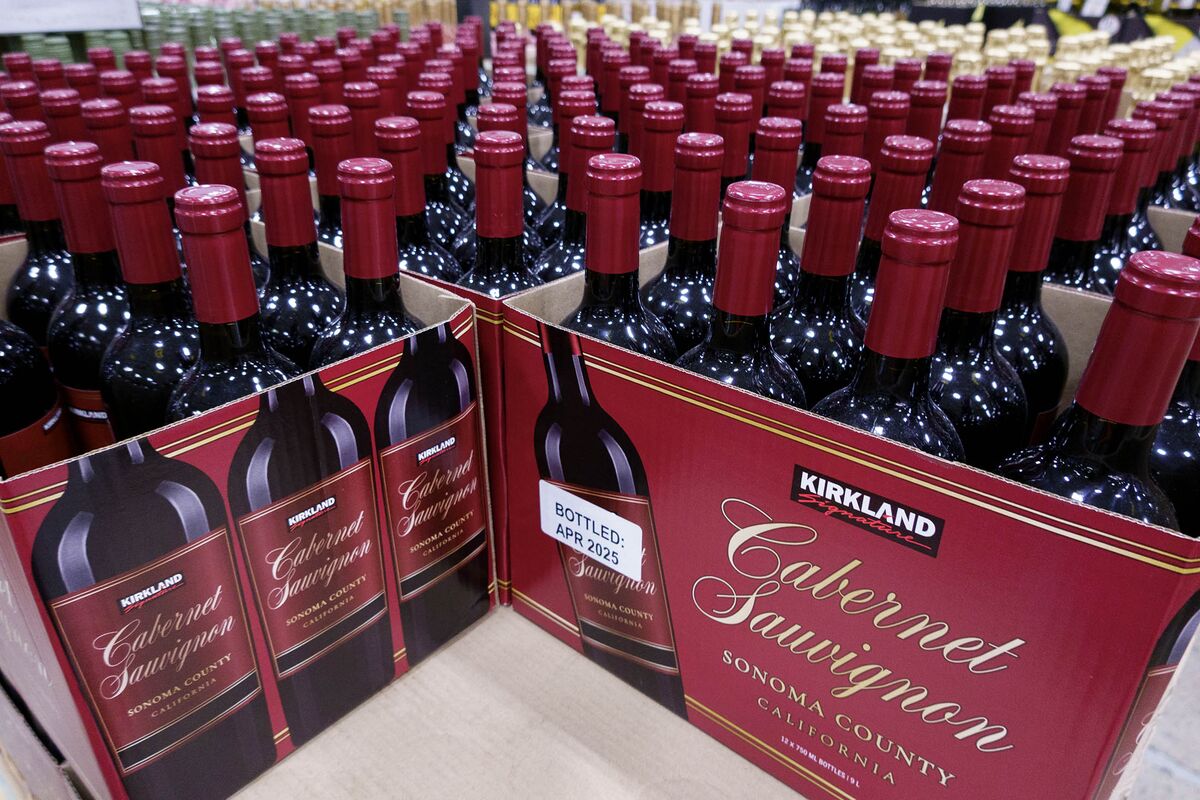
California, which produces about 80% of U.S. wine, has vintners selling surplus wine—including some high-quality bottles—as supply exceeds what consumers want to drink. The surplus is bringing premium wines within more affordable reach at retailers such as Costco, Kroger and Aldi.
Analysis
The opportunity is primarily a sourcing and value-positioning tailwind for retailers, not yet an earnings thesis. If surplus premium wine can be bought below normal replacement cost, private-label programs at Costco and Kroger could improve value perception or gross margin—though retailers may pass much of the savings through to shoppers. The offset is that discounting can reset consumers’ reference prices and pressure branded vintners’ sell-through, making the benefit less durable once excess stocks clear. California producers and grape growers face the inverse risk: weaker pricing may extend beyond this inventory cycle if demand remains below production.
Over the next 1–3 months, watch whether retailers expand private-label placement and whether promotions spread to branded wine; the article does not establish volumes, purchase costs, or margin contribution. Over 6–18 months, vineyard removals or lower grape output could tighten supply and erode today’s buying advantage. A contrarian risk is that bargains draw deal-seeking buyers without expanding total wine consumption, shifting share rather than growing the category. No clear standalone trade: wine is unlikely to move consolidated COST or KR results materially without evidence of scale. The thesis weakens if surplus inventory clears quickly, or if retailer commentary shows limited wine sales or no margin/traffic benefit.
AllMind Terminal
AI-powered research, real-time alerts, and portfolio analytics for institutional investors.
Request TrialMarket Sentiment
Overall Sentiment
mildly positive
Sentiment Score
0.15
Ticker Sentiment
Key Decisions for Investors
- Treat COST and KR as watch items, not immediate buys on this signal; seek evidence in category sales, private-label mix, and gross-margin commentary before attributing earnings upside.
- Track California bulk-wine and grape pricing, inventory levels, and vineyard removals over the next several quarters. Persistent discounting would support a cautious view on exposed producers and suppliers, but no named producer or quantified exposure is provided for a stock-specific short.
- Monitor whether retailers pass savings through as lower shelf prices or retain them as margin. Broad branded-wine promotions would suggest the surplus is pressuring category economics rather than creating a durable private-label advantage.
- Reassess the opportunity if inventory clears rapidly or supply is curtailed: either could end the sourcing discount and reverse the retailer tailwind within 6–18 months.
More News
- Consumer stocks have been hammered. Here are some opportunities among the casualties
- Weston Family, Fairfax Financial’s Watsa Acquire Boots in $8.9 Billion Deal
- Levi Strauss hikes profit guidance after tariff refunds, but its sales outlook is less optimistic
- New data strengthens our faith in a TJX comeback. Plus, the Nvidia-Microsoft PC is here
- Supertanker chartered from Gulf Coast to China for $76 million, 10 times higher than pre-war level
- Lululemon poaches Athleta CEO as new chief product officer
From AllMind Research
- Anthropic IPO Preview: Valuation, Timing, and What to Watch
- Shein After the IPO: Venue, Valuation, and What Must Be Proved
- What AI Research Tools Should a Small Hedge Fund Buy First?
- AI Software for Buy-Side Teams: Build the Research Stack
- Augmented Intelligence: AllMind, Elevate Human Judgement With an Accessible, Powerful, Data-Driven Financial AI Toolkit