
The 100 Food Journey, a tale of Indian Cuisine, Unveils Its Third Voyage: An Autumn-to-Winter Culinary Journey
Source: PR Newswire
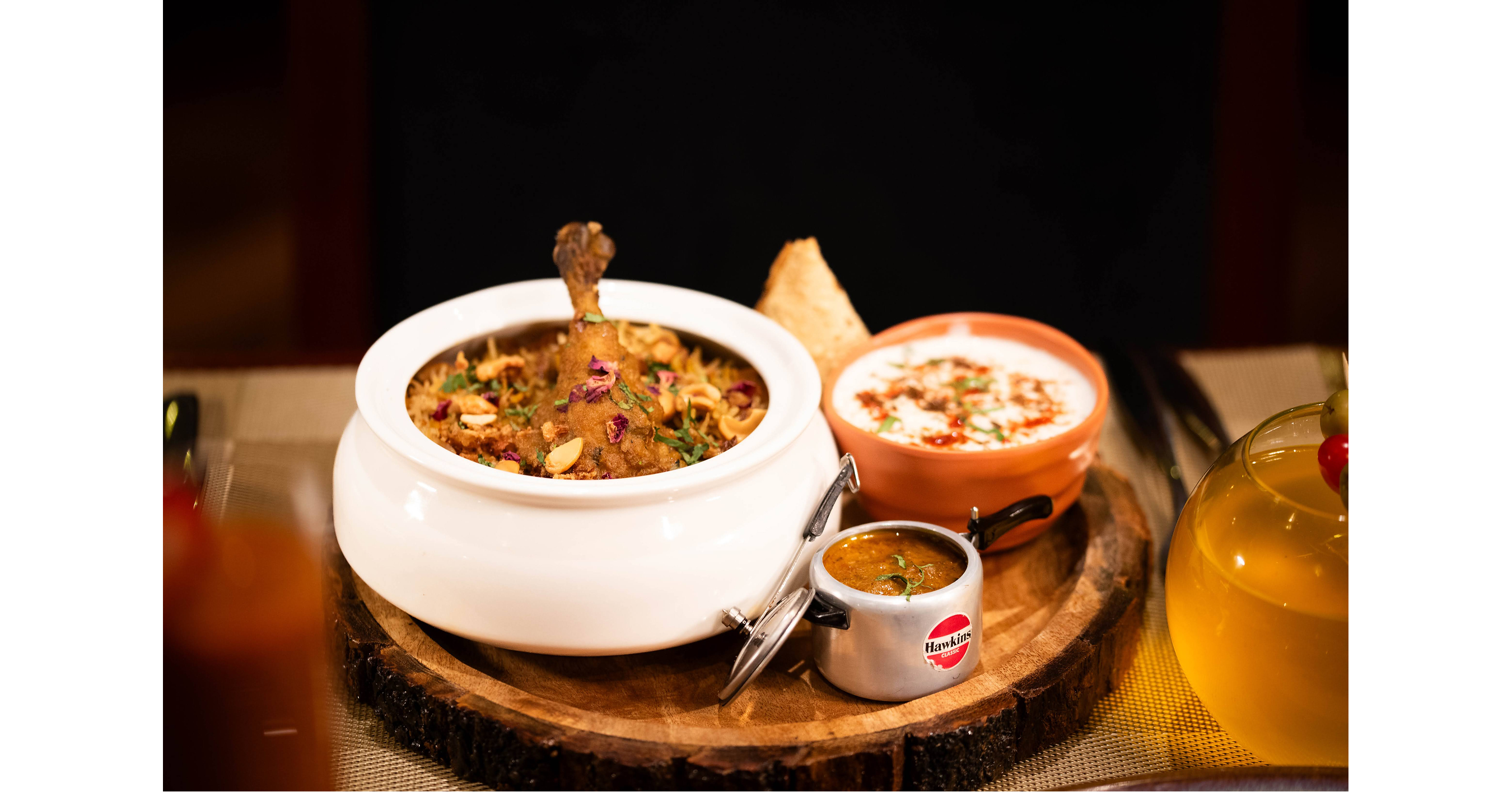
The 100 Food Journey in Newburgh, New York, introduced its Third Voyage, an autumn-to-winter Indian cuisine menu, continuing its practice of updating the menu every 100 days. The restaurant's release highlights seasonal regional dishes, private dining and Indian-inspired cocktails; it provides no sales, financial results or market reaction.
Analysis
This is a single-location restaurant launch, not evidence of a measurable shift in restaurant demand or a read-through to listed food-service companies. The investable mechanism, if the concept proves repeatable, is whether a 100-day menu refresh converts novelty into higher visit frequency and beverage/private-dining attach rates. The countervailing risk is execution: frequent menu changes can raise sourcing, kitchen-training and waste costs, so traffic growth alone would not establish attractive unit economics. Seasonal ingredients and a distinctive concept may help differentiate the venue locally, but there is no evidence here on sales, capacity, pricing, repeat visits or profitability.
Near term, the announcement itself is unlikely to move public-market securities. Over the next 1–3 months, the useful checks are sustained covers after launch, repeat-customer rates, average check and private-event bookings; claims about culinary differentiation are not substitutes for those metrics. Over 6–18 months, the concept’s value depends on whether the operating cadence is replicated consistently without eroding margins. No listed-company exposure is identified, and there is insufficient evidence for a sector position.
AllMind Terminal
AI-powered research, real-time alerts, and portfolio analytics for institutional investors.
Request TrialMarket Sentiment
Overall Sentiment
neutral
Sentiment Score
0.10
Key Decisions for Investors
- No trade on this announcement; do not extrapolate a local restaurant launch into a broader consumer-demand signal.
- Treat the restaurant as a local-market watch item. Reassess only with verifiable operating data: covers, repeat visits, average check, beverage/private-dining mix and food or labor cost trends.
- Falsification of the repeat-visit thesis would be weak post-launch traffic or declining customer return rates; evidence of sustained demand alongside stable unit economics would make the concept more relevant, but still not establish a public-market trade.
More News
- DoorDash offers $17 billion for Instacart: ‘the largest companies are only eating more and more of the pie’
- Google Sales Miss Reignites AI Fears, Microsoft Eyes $25B Debt Offering
- Starbucks serves up a solid quarter and full-year outlook. Why we're staying invested
- Norwegian shares surge 13% on earnings beat, guidance raise
- DoorDash to Buy Rival Instacart in $17 Billion Deal
- We're raising our price target on Eli Lilly as the obesity-drug boom rolls on