
AT&T Q3 Earnings Create An Absurdity: 5% Dividend Yield Meets 4x P/Cash Ratio
Source: seekingalpha.com
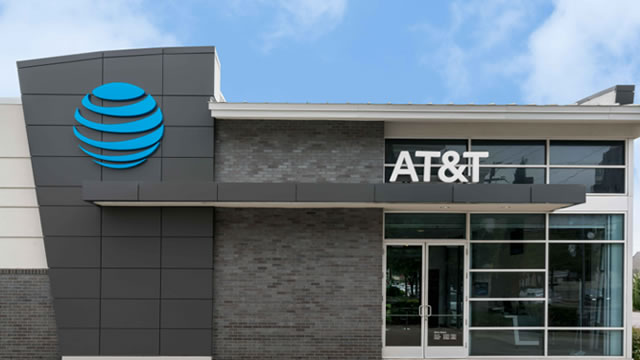
The article argues AT&T is undervalued despite a healthy growth outlook, citing FQ3 earnings, a diversified asset base, and expected long-term EPS and cash-flow growth. It highlights a 4.9% dividend yield, a 6% buyback yield, and a valuation of 4x price-to-cash-flow, which the author sees as creating sizable alpha potential.
Analysis
The bullish case depends less on the headline multiple than on whether AT&T can convert operating cash flow into durable, post-capex free cash flow while maintaining balance-sheet flexibility. A price-to-cash-flow figure is not comparable to a free-cash-flow yield unless the cash-flow definition, capex burden, and share count are checked; announced buybacks also create no reliable per-share value if they are offset by issuance or funded at the expense of debt reduction. The key second-order risk is competitive: aggressive wireless pricing or fiber buildout by Verizon and T-Mobile could raise retention and network costs, eroding cash available for distributions before reported subscriber growth weakens. Near term, the market may reward capital-return messaging, but the 1–3 month catalyst is cash-flow and leverage evidence in reported results; the 6–18 month question is whether investment needs and competitive intensity permit sustainable per-share growth. The contrarian opportunity is plausible if pessimism is already reflected in the price, but the supplied claims alone do not establish that the discount is excessive. Falsify the thesis if free cash flow after capex misses guidance, leverage reduction stalls, or wireless churn/promotions worsen materially.
AllMind Terminal
AI-powered research, real-time alerts, and portfolio analytics for institutional investors.
Request TrialMarket Sentiment
Overall Sentiment
moderately positive
Sentiment Score
0.55
Ticker Sentiment
Key Decisions for Investors
- Treat T as a conditional value-long, not an automatic yield purchase: verify the definition of the cited cash-flow multiple, current free cash flow after capex, net-debt trajectory, and buyback execution before sizing.
- For the next earnings cycle, monitor free-cash-flow conversion, net additions and churn, promotional intensity, and management’s capital-allocation priorities. A shortfall in cash conversion or a shift from debt reduction toward distributions would weaken the thesis.
- Avoid a relative-value pair against Verizon or T-Mobile without fresh comparative data on valuation, churn, and network investment; competitive pricing can pressure the whole sector, but the article provides no evidence that AT&T is insulated.
- No options trade is warranted from this signal alone: the catalyst timing and magnitude are not established. Reassess after reported cash flow and leverage trends, rather than treating dividend and repurchase yields as guaranteed returns.
More News
- Broadcom vs. Dell Technologies: Which Stock Is AI Powering to Be a Better Buy in 2026?
- DIRECTV Adds NHL's New Carolina Hurricanes, Columbus Blue Jackets, Minnesota Wild, and St. Louis Blues Regional Channels
- Nvidia's role as AI financier faces first big test as neoclouds take market hit
- Here’s the ‘core economic flaw’ in the AI bull case as stock and bond trades unravel, according to a top economist
- Trump set to announce plan by Audi to build a U.S. factory in Georgia, source says
- AI funding fears rattle Wall Street. Here's how we're adjusting our portfolio