
Latest Oil Market News and Analysis for Oct. 15
Source: Bloomberg
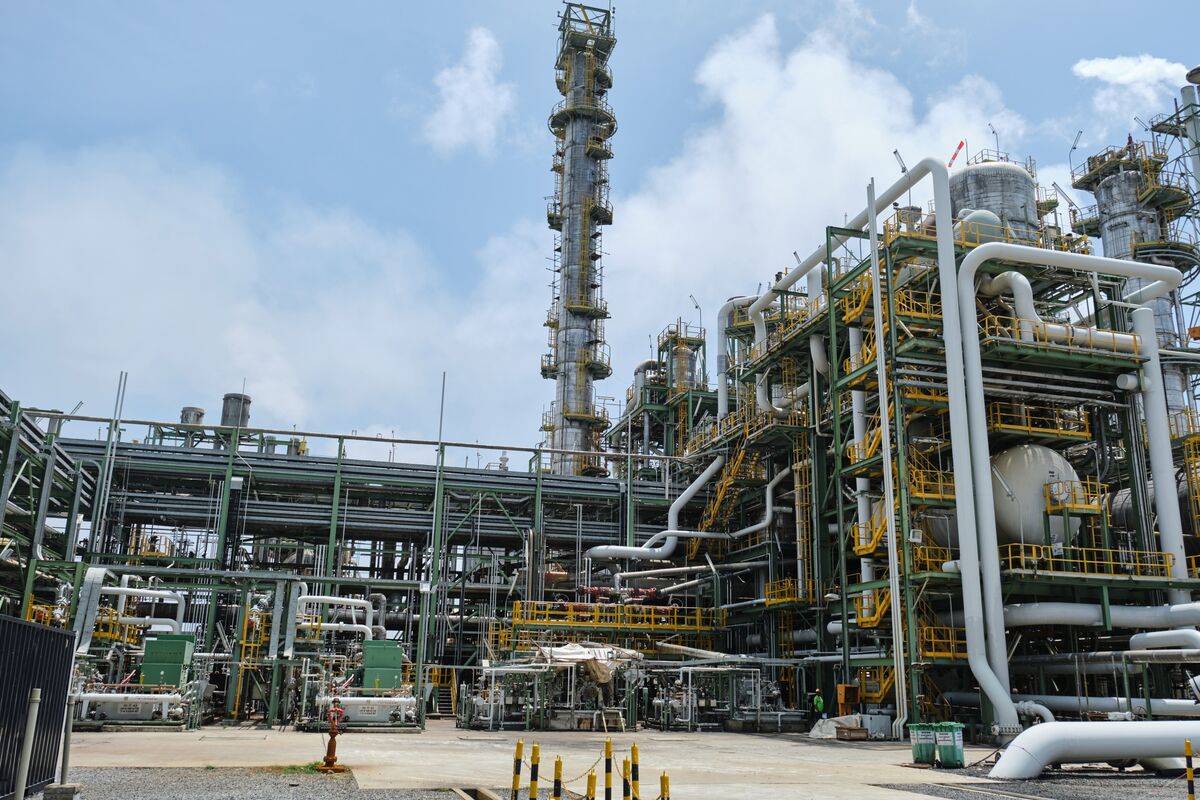
WTI held near $95 a barrel after rising 1% Wednesday, while Brent settled around $106, as attacks raised concerns about supply. A cargo ship sank after being struck by “unknown projectiles” while transiting the Strait of Hormuz, and Iran-backed Houthis continued missile and drone attacks across Saudi Arabia.
Analysis
The key question is whether this becomes a sustained flow disruption or merely adds a short-lived geopolitical premium. A single transit incident and continued regional attacks raise tail risk, but do not by themselves establish lost barrels or a lasting Strait of Hormuz impairment. In the near term, the oil curve and freight/war-risk insurance costs are more informative than spot headlines: widening prompt backwardation would signal immediate scarcity; a flat curve would argue the market is pricing fear more than physical tightness.
If disruption persists, upstream producers gain operating leverage, while airlines and other fuel-intensive transport face margin pressure unless they can pass costs through. Refiners are not an automatic short: higher crude input costs hurt if product cracks fail to keep pace, but tight product supply could offset that pressure. Shipping outcomes are also mixed—higher rates may benefit some operators, while rerouting, insurance and transit risk raise costs and can reduce effective capacity.
Over 1–3 months, watch verified export/loadings, tanker flows, insurance premiums and prompt spreads. Over 6–18 months, sustained high prices could accelerate demand destruction and non-OPEC supply response, limiting upside. The contrarian risk is chasing a headline premium before physical balances confirm it; a de-escalation or uninterrupted flows could unwind that premium quickly.
AllMind Terminal
AI-powered research, real-time alerts, and portfolio analytics for institutional investors.
Request TrialMarket Sentiment
Overall Sentiment
mildly positive
Sentiment Score
0.20
Key Decisions for Investors
- Avoid adding unhedged broad energy exposure solely on the headline. For a tactical bullish view, consider a limited-risk Brent call spread rather than outright futures, contingent on prompt spreads strengthening and evidence of disrupted flows; define risk at the premium paid.
- Monitor a conditional pair trade: long upstream oil exposure versus short fuel-sensitive transport exposure only if crude strength is accompanied by weaker airline/transport relative performance and no offsetting fuel pass-through. Falsify if product prices or company guidance show effective cost recovery.
- Do not short refiners indiscriminately. Track regional refining margins and product cracks; consider underweighting refiners only if crude rises while cracks compress.
- Reassess within days on tanker transit, export/loadings, war-risk insurance and front-month spreads. Reduce the risk-premium trade if flows remain intact and prompt spreads soften; escalate only on corroborated, sustained supply loss.
More News
- Oil Gains as Middle East, Russia Hostilities Imperil Flows
- Why is Rocket Lab stock tumbling today?
- Container ship sinks in Strait of Hormuz as Iran steps up attacks
- Here's the inflation breakdown for September 2026 — in one chart
- Fed may now have to hike twice or increase by a half point in December, traders bet
- Iran says it’s ‘counting the moments’ until it can attack American warships; Saudi Aramco facilities attacked as Houthi attacks escalate