
ENGWE Enters Electric Dirt Riding with Eagle, Built for a New Generation of Riders
Source: PR Newswire
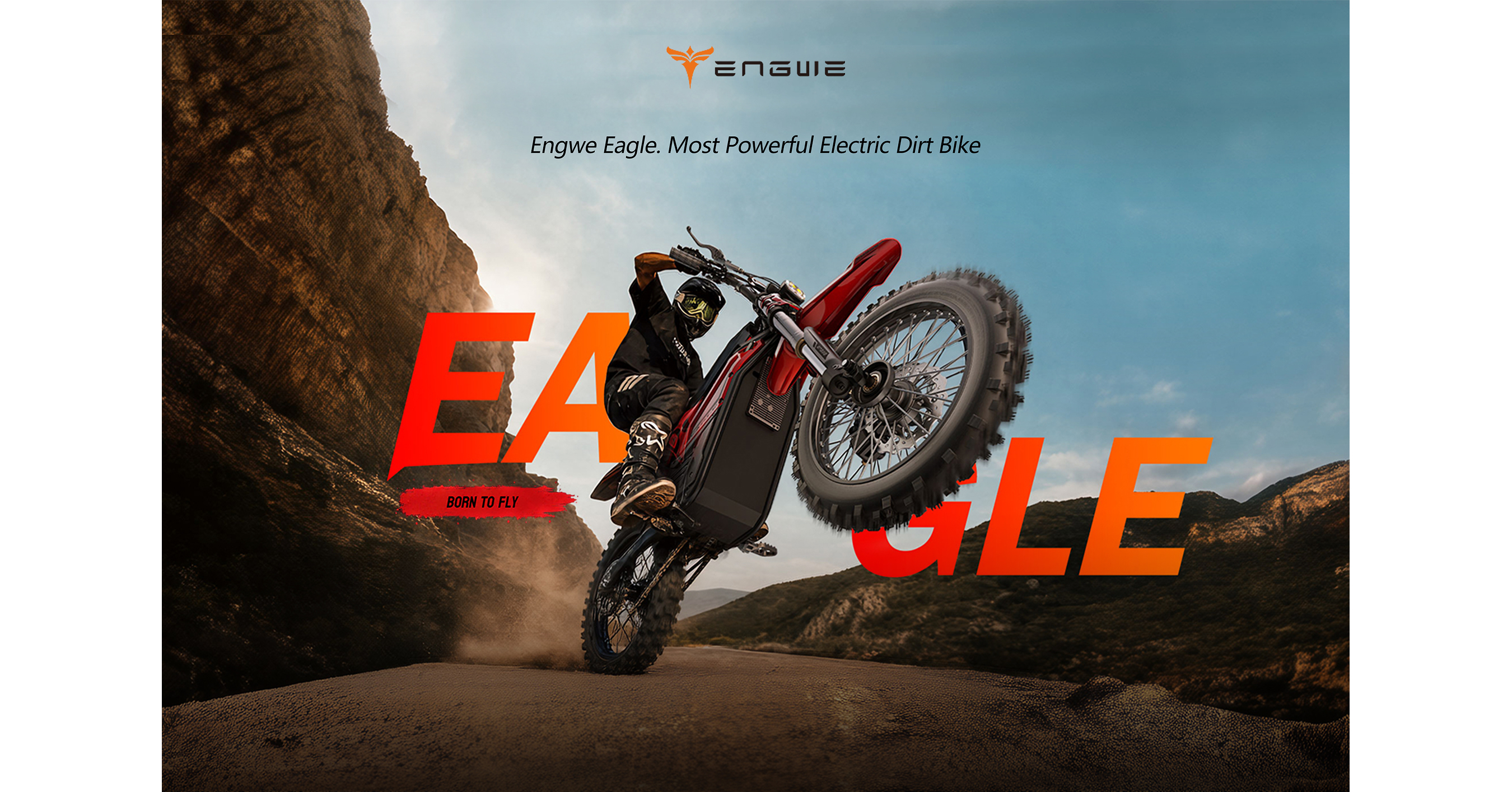
ENGWE launched its first electric dirt bike, the Eagle, at an introductory price of $899 versus a $1,199 MSRP. The bike offers 3,200W peak power, 220Nm of torque, a 45+ mph top speed, a 52V battery, dual suspension and hydraulic disc brakes; the first 300 orders receive a $276 riding kit. The launch expands ENGWE beyond everyday e-mobility into recreational off-road riding, though the announcement is unlikely to have broad market impact.
Analysis
This is not investable as a standalone catalyst: ENGWE appears privately held, and the launch is promotional rather than evidence of unit demand, dealer adoption, warranty performance, or regulatory clearance. The price point signals a value-tier attempt to expand the electric off-road funnel, but it is unlikely to affect near-term earnings for listed powersports incumbents such as PII, HOG, BRP, Honda (7267), or Yamaha (7272). The relevant competitive pressure is concentrated in entry-level electric dirt bikes, where low upfront pricing can reset consumer expectations and raise customer-acquisition costs for branded incumbents.
The non-obvious risk is product liability and local enforcement rather than direct competition: high-performance off-road electric bikes increasingly face ambiguous trail-access, age, helmet, and classification rules. Any high-profile accident, recall, battery-fire incident, or restriction on public-land use could damage the broader category and favor established OEMs with dealer service networks, insurance relationships, and compliance infrastructure. Over the next 1-3 months, social engagement and sell-through around the October event are weak leading indicators; the investable signal would be sustained discounting, rising used-bike inventory, or dealer commentary indicating that low-cost imports are taking share.
Consensus should not extrapolate a sub-$1,000 launch price into mass-market penetration. At this price, freight, battery, warranty, safety equipment, and direct-to-consumer service costs leave limited room for durable gross margins unless component sourcing is unusually advantaged; aggressive promotions may instead indicate customer-acquisition spending. A broader price war would be more damaging to smaller, dealer-dependent specialty brands than to diversified OEMs, but there is currently insufficient evidence to establish that it has begun.
AllMind Terminal
AI-powered research, real-time alerts, and portfolio analytics for institutional investors.
Request TrialMarket Sentiment
Overall Sentiment
mildly positive
Sentiment Score
0.34
Key Decisions for Investors
- No directional trade on this announcement; ENGWE is private and the disclosed information does not establish unit economics, production capacity, or sell-through.
- Create a 1-3 month competitive watchlist for PII, BRP, Honda (7267), Yamaha (7272), and HOG: monitor dealer commentary, entry-level motorcycle/dirt-bike inventory days, and promotional intensity. Escalate only if multiple channels identify low-cost electric imports as a source of share loss.
- Treat a broad price-war thesis as a conditional pair opportunity: long Honda (7267) or Yamaha (7272) versus short a more discretionary, dealer-sensitive powersports exposure such as HOG, only after evidence of sustained discounting emerges. The thesis is falsified if category demand remains healthy without incremental incentives or if incumbent entry-level unit volumes accelerate.
- For 6-18 months, monitor U.S. state and federal trail-access/classification rules and battery-safety enforcement. Tighter rules would favor scaled OEMs and suppress low-cost direct-to-consumer entrants; permissive rules combined with verified import volume growth would reverse that conclusion.
More News
- 'Science fiction': Transport companies — the backbone of economy — are sounding alarm on fuel prices
- What to know about US Federal Reserve’s first interest rate hike in 3 years
- Fed Rate Hike Looms as Retail Sales Surge
- Consumers hit by one-two punch of oil and rates from Iran war. The estimated bill is $1,700 per household
- US retail sales rebound sharply in August
- Now that the Fed raised rates, where to score the best yields on your cash
From AllMind Research
- Anthropic IPO Preview: Valuation, Timing, and What to Watch
- Shein After the IPO: Venue, Valuation, and What Must Be Proved
- What AI Research Tools Should a Small Hedge Fund Buy First?
- Palantir (PLTR) Q4 2025 Earnings: 70% Revenue Growth, Then an 11% Single-Day Crash
- AlphaSense Pricing: What Public Contract Data Shows in 2026