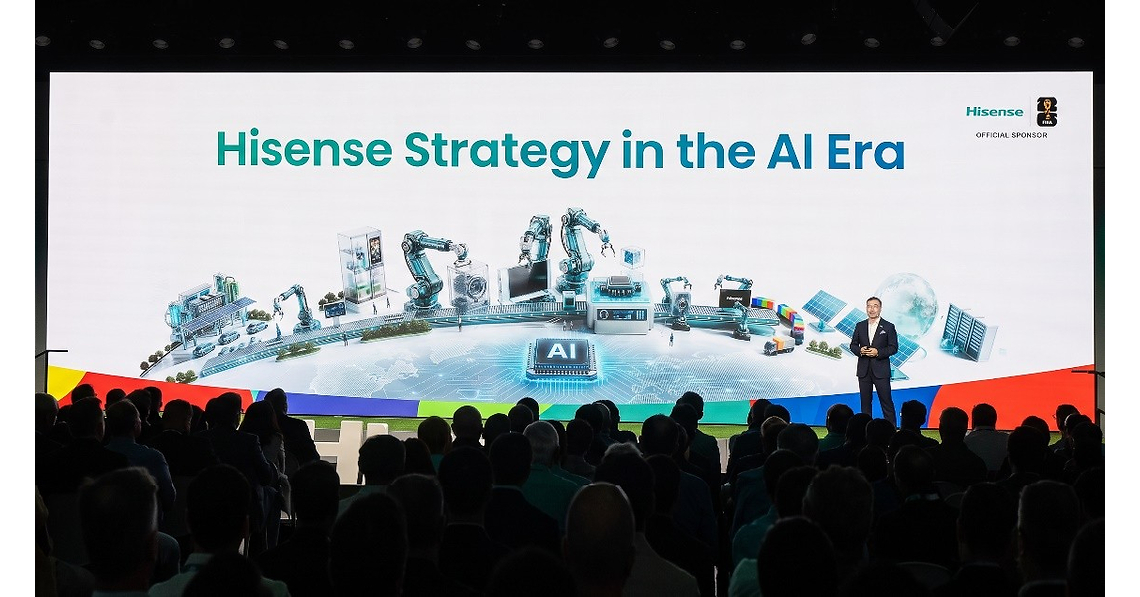
Hisense ogłosiła strategię rozwoju opartą na AI, której celem jest przejście od „inteligentnych urządzeń” do „inteligentnych domowych asystentów”. Firma rozwija ekosystem AI (m.in. V AI OS dla telewizorów i ConnectLife dla połączonych urządzeń), jednocześnie wzmacniając globalną markę poprzez długoterminowe partnerstwa sportowe FIFA. Komunikat ma charakter strategiczny i wspierający narrację inwestycyjną, bez podania konkretnych wyników finansowych czy prognoz.
This reads more like category positioning than an earnings inflection. In consumer electronics and appliances, “AI” usually supports ASPs and brand differentiation first; it only becomes P&L-accretive if it creates recurring software/service revenue or materially lowers support costs. The likely near-term effect is higher R&D and marketing spend before any visible margin benefit, so I would not model meaningful operating leverage from this announcement alone.
The second-order impact is competitive rather than company-specific: Samsung, LG, TCL, Haier, and Whirlpool are now incentivized to match the narrative, which raises the floor on feature spend across the sector but also compresses differentiation. That dynamic can be negative for industry gross margins if the race turns into a promotion cycle, especially into holiday TV/appliance sell-through. The more durable winners would be edge-silicon and software-enablement suppliers only if OEMs standardize on more compute-heavy devices.
Near term, this is mostly a sentiment event; the real catalyst path is 1-3 quarters of channel data and margin disclosure. The thesis is falsified if gross margin and service/connected-device mix do not improve by at least low triple digits of bps over the next 2 reporting cycles. My base case is that the market overreads the AI label and underestimates how commoditized the hardware stack remains.
AI-powered research, real-time alerts, and portfolio analytics for institutional investors.
Overall Sentiment
mildly positive
Sentiment Score
0.25
Ticker Sentiment
