
Nvidia Just Validated Micron's Biggest AI Bull Case
Source: seekingalpha.com
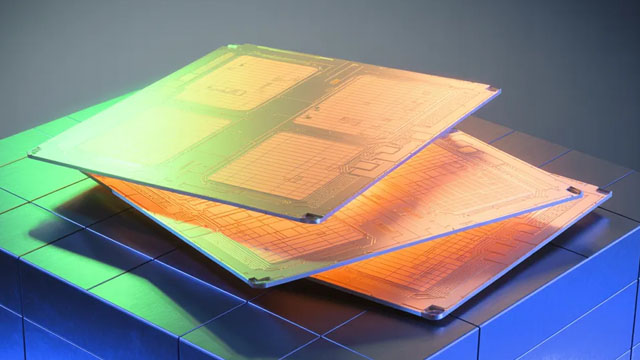
Micron shares have slid from above $1,036 to around $935 even as DRAM prices rose 58%–63% sequentially in Q2. The article points to HBM4E’s approaching ~4:1 trade ratio as a potential squeeze on conventional DRAM supply, while AI demand increasingly consumes wafer capacity. Offsetting that, Micron has locked in $22B of commitments via strategic agreements, including major take-or-pay contracts extending through 2030.
Analysis
The market is still treating memory like a commodity bust business, but the mix shift toward AI-grade HBM changes the marginal economics: capacity redirected into higher-value bits effectively taxes conventional DRAM supply. That is structurally positive for MU and SK Hynix, while squeezing server OEMs and system builders that cannot fully pass through memory inflation; the second-order winner is anyone upstream of advanced packaging and HBM tooling if the bottleneck persists.
The take-or-pay structure matters more than the headline pricing move because it converts part of the revenue base into a quasi-contracted stream through 2030. That should compress MU’s equity risk premium over 1-3 quarters and, importantly, tighten credit spreads if investors begin underwriting less cyclicality than the tape implies. The near-term risk is execution: if HBM yields slip, if Samsung catches up faster than expected, or if hyperscaler capex pauses, the stock can keep derating despite tight spot pricing.
Contrarian read: consensus is anchoring on the last memory downcycle and underweighting the possibility that HBM demand makes conventional DRAM structurally scarce for longer than one quarter. If the 4:1 trade ratio holds, the constraint moves from pricing to output allocation, which is bullish for gross margin but bearish for downstream hardware margins. The thesis breaks if spot DRAM flattens for two consecutive months or if MU’s next commentary implies HBM supply is no longer the binding constraint.
AllMind Terminal
AI-powered research, real-time alerts, and portfolio analytics for institutional investors.
Request TrialMarket Sentiment
Overall Sentiment
mildly negative
Sentiment Score
-0.15
Ticker Sentiment
Key Decisions for Investors
- Initiate/accumulate MU on weakness over the next 1-2 weeks; use the tape selloff as a better entry rather than chasing strength. Target 3-6 month upside if DRAM pricing and HBM mix stay firm; thesis falsified if spot DRAM rolls over for two months.
- Pair trade: long MU / short DELL for 1-3 months to express memory pricing strength versus system-margin compression. Best entry is after the next memory price print confirms tight supply; cover the short if DELL’s guidance shows successful pass-through.
- Consider a bullish MU call spread dated 3-6 months out only if management commentary confirms HBM allocation remains the binding constraint. Risk/reward is attractive if the market re-rates MU from commodity multiple to contracted-growth multiple; exit if HBM yield issues surface.
- Watch AMAT/LRCX/KLAC as secondary beneficiaries if HBM capacity expansion forces more advanced-packaging capex. This is a follow-on trade, not the primary signal; wait for capex commentary before adding.
- Set an alert on any sign that Samsung adds DRAM supply faster than expected; that would be the cleanest falsifier and would likely cap the MU re-rating.
More News
- CXMT: How big is its market threat to Samsung, SK Hynix and Micron?
- Micron Is Down 18% From Its High. History Suggests This Is What Happens Next.
- Prediction: This Is How Much Micron Stock Will Be Worth By the End of 2027
- Humanoid Robots Could Be a $5 Trillion Market. Here Are 3 Stocks Positioned to Win.
- SpaceX vs. Micron: Which Is the Better Artificial Intelligence (AI) Stock to Own for the Next 5 Years?
- History Says This 1 ETF Could Turn $1,000 Into $38,000 in 20 Years. Here's How.