
Superior Lawn Care Advises Western Pennsylvania Homeowners to Diagnose Brown Grass Before Planning Fall Lawn Repairs
Source: globenewswire.com
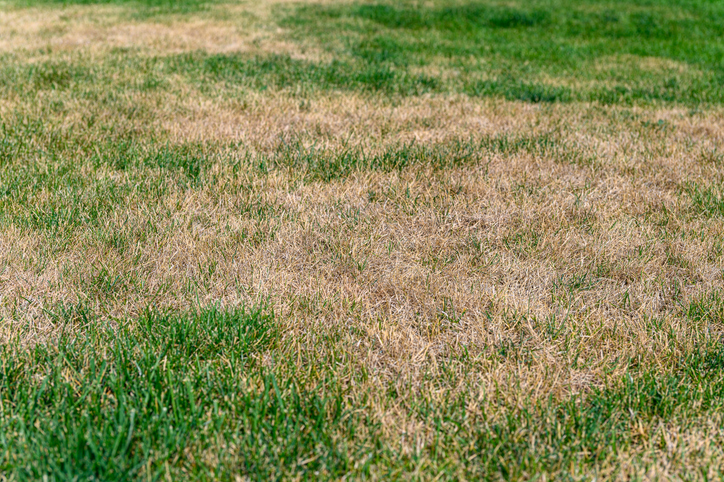
The article notes that brown or thinning lawns in Western Pennsylvania in late summer may have causes beyond insufficient watering or a need for new seed. Heat and limited moisture, lawn disease, insects and grubs, compacted soil, and other turf stresses can produce similar symptoms.
Analysis
This is a low-signal, localized turf-care observation, not evidence of a broad demand shift. The investable mechanism is substitution within lawn spending: when symptoms have multiple causes, diagnosis and targeted pest or disease treatment may capture spend that would otherwise go to irrigation or reseeding. That is a plausible benefit for local lawn-care operators, but the article provides no evidence of increased service volumes or a measurable effect on national retailers or suppliers.
Near term, weather-driven lawn conditions can create noisy demand for water-management products and treatment services; regional variation makes extrapolation to national sales especially risky. Over 1–3 months, verify Western Pennsylvania precipitation and temperature, local service bookings, and retailer commentary before treating this as a catalyst. Over 6–18 months, recurring heat or moisture stress could support more resilient-turf and water-efficient landscaping, but this item alone does not establish a structural trend.
The contrarian point is that visible browning is not a reliable proxy for irrigation or seed demand: misdiagnosis can waste customer spend and shift it toward professional assessment. With no company-level exposure or financial evidence identified, there is no compelling public-equity trade.
AllMind Terminal
AI-powered research, real-time alerts, and portfolio analytics for institutional investors.
Request TrialMarket Sentiment
Overall Sentiment
neutral
Sentiment Score
0.00
Key Decisions for Investors
- No trade on this item alone; its geographic scope and economic impact are too limited to justify a sector position.
- Watch local lawn-care booking data and Western Pennsylvania weather. Consider targeted-treatment beneficiaries only if service demand strengthens and operators confirm incremental volumes rather than simple substitution between services.
- For national home-improvement retailers and lawn-product suppliers, require corroboration in comparable sales, category commentary, or guidance before attributing any demand change to turf stress.
- Falsifier for a broader thesis: improving moisture conditions alongside flat or declining treatment bookings; evidence of persistent multi-region stress and rising category sales would strengthen it.
More News
- Del Monte meets earnings view but revenue falls short
- What investors need to know about Alphabet's stock-busting earnings report
- Our next steps for Alphabet stock after earnings disappoint at nearly every turn
- Budget 2026 speech
- SK Hynix says the memory-chip shortage will last until 2030—and more than half its production is booked for the next two years
- China’s tech darlings are losing their shine. Here’s what’s behind the sell-off