
US Inches Closer to Breaking Permit Logjam for Key Energy Projects
Source: Bloomberg
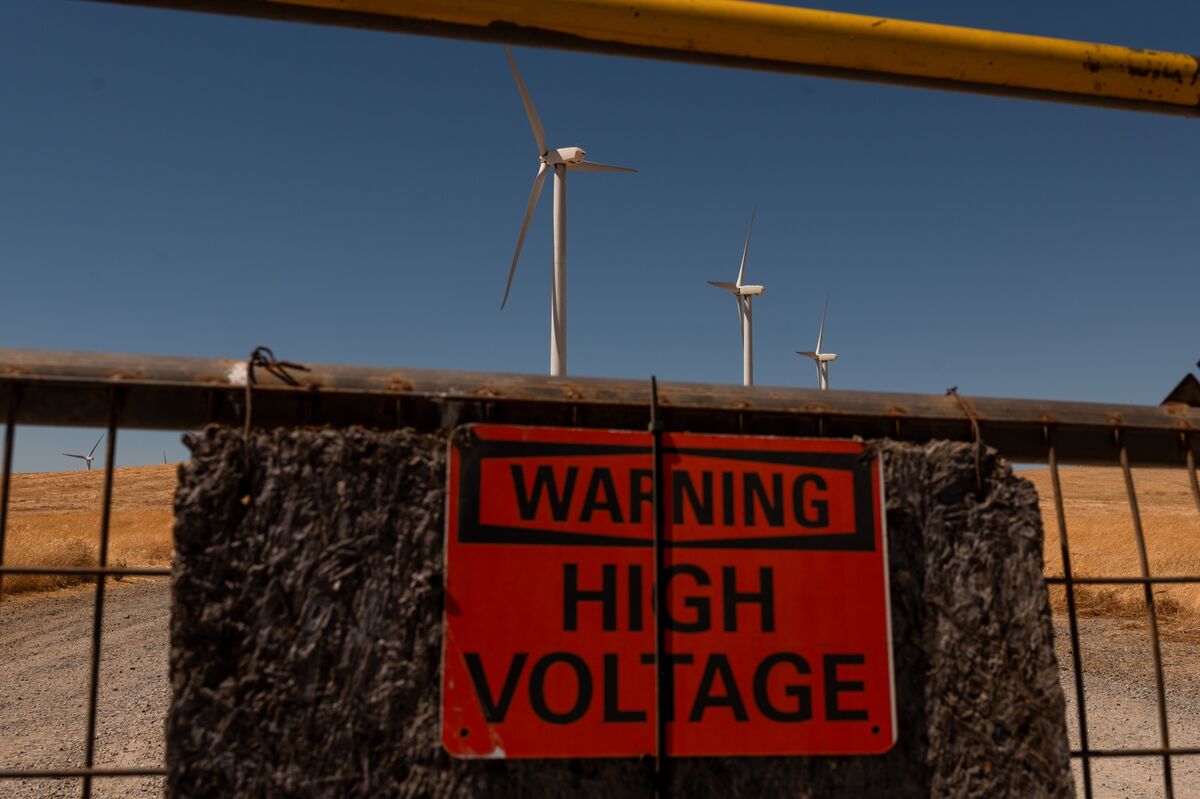
The US Senate reached a bipartisan agreement on reforming the permitting process for major energy infrastructure projects, bringing Congress closer than it has been in years to addressing approval delays. The proposal could accelerate development across energy infrastructure, but its market significance remains uncertain because lawmakers have not yet completed or enacted the reform.
Analysis
The investable implication is not broad “energy infrastructure” beta; it is a potential reduction in development-duration risk. A credible permitting reform would lower the probability that late-stage transmission, LNG, pipeline and renewable projects become stranded after capital is committed, supporting higher project NPV, lower financing costs and eventually a lower cost of capital for developers with large permitted-backlog optionality. Near-term equity sensitivity should be greatest in names where multi-year approval delays are currently constraining visible EBITDA growth: NextEra Energy (NEE), AES (AES), Dominion (D), Williams (WMB), Kinder Morgan (KMI), Cheniere (LNG) and Quanta Services (PWR).
The most underappreciated second-order beneficiary is PWR, plus electrical-equipment suppliers Eaton (ETN), GE Vernova (GEV) and Hubbell (HUBB). Faster approvals do not create transformers, switchgear, engineering labor or high-voltage cable capacity; they convert regulatory bottlenecks into procurement bottlenecks. That should improve pricing power and backlog conversion for grid suppliers over 6-18 months, while potentially pressuring renewable developers whose returns are exposed to elevated interconnection and equipment costs.
Consensus may overvalue the initial legislative headline. A statutory deal can still be diluted by implementation rules, litigation, agency staffing and state-level siting constraints; therefore, the first 1-3 month move is likely narrative-driven rather than earnings-supported. The thesis is falsified if final language preserves broad judicial-review avenues or fails to materially shorten environmental-review and interconnection timelines; in that outcome, regulated utilities may retain capital-spending plans but not receive the anticipated multiple expansion.
AllMind Terminal
AI-powered research, real-time alerts, and portfolio analytics for institutional investors.
Request TrialMarket Sentiment
Overall Sentiment
mildly positive
Sentiment Score
0.20
Key Decisions for Investors
- Build a 6-12 month long PWR / short ICLN pair rather than buying clean-energy beta outright. PWR benefits from transmission build execution even if power-project economics remain challenged; ICLN retains greater exposure to rates, equipment inflation and weak project returns. Reassess if final legislation lacks enforceable review deadlines or PWR backlog growth decelerates below low-teens year-over-year.
- Accumulate ETN and GEV on post-headline weakness for a 12-18 month horizon, targeting beneficiaries of grid-capex acceleration and supply-constrained electrical equipment. Size modestly until project-level permitting provisions are published; principal risk is a sharp easing in transformer/switchgear lead times that normalizes margins before volume arrives.
- Use WMB and LNG as selective watch-list longs, not immediate outright trades. Upgrade only if the final bill explicitly narrows litigation risk and accelerates federal approvals, because export and pipeline cash-flow upside depends on project-specific authorization rather than a generic reform framework.
- Avoid chasing NEE and AES solely on reform expectations over the next month. Faster permitting may increase renewable build volumes, but it can also intensify competition for scarce interconnection, labor and equipment; require evidence of improved project returns or upward EBITDA/capex guidance before adding exposure.
- Set a legislative alert around final Senate/House text and implementation dates. A completed bill with binding agency timelines is the catalyst to add risk; failure to reach enactment this session should unwind infrastructure-permitting premium and favors taking profits in any headline-driven rally.
More News
- Trump says Iran war could end after U.S. elections as Hormuz tensions persist
- Mark Ruffalo says Paramount’s $111 billion Warner Bros. deal ‘Will stifle creativity, weaken free speech, and cost people their jobs’
- States, cities sue U.S. agencies over weaker vehicle fuel economy rules
- G7 Leaders’ Statement on global energy security and market stability
- Trump vs Europe as US presses for release of emergency diesel stocks
- Anthropic warns government attitudes may hurt customer ties, IPO prospectus shows: Reuters