
Ribbit demonstrates collaborative teaming between autonomous helicopter, airplane, and drones
Source: PR Newswire
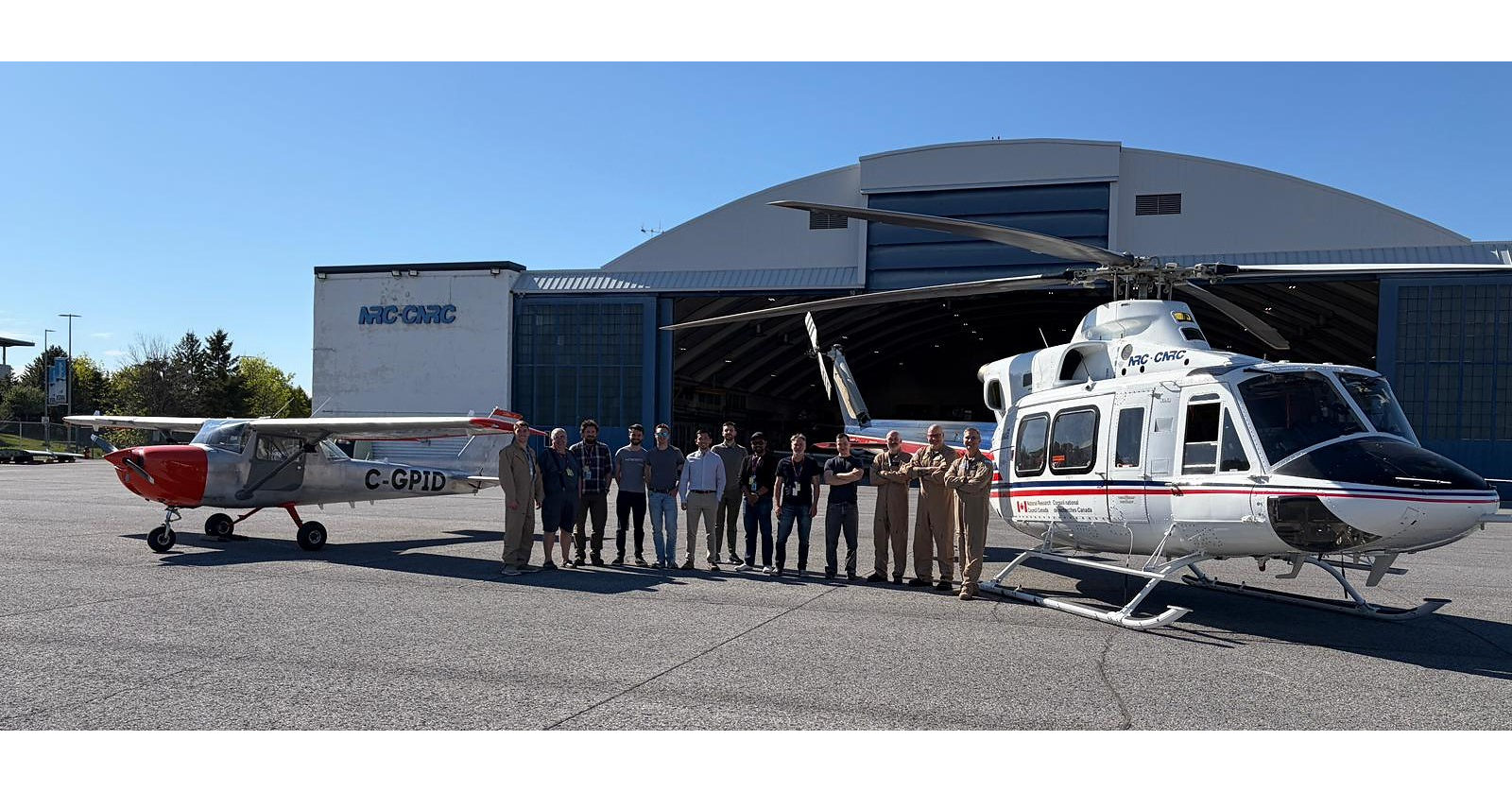
Ribbit and the National Research Council of Canada demonstrated autonomous coordination among a Bell 412EP helicopter, a Cessna 150 airplane and virtual drones in a mock search-and-rescue mission near Ottawa in May 2026. A single mission commander directed the assets as the airplane searched and provided situational awareness and the helicopter conducted a simulated casualty evacuation; safety pilots were aboard both aircraft. The milestone follows more than three years of Ribbit-NRC collaboration on autonomous technology for joint operations, tactical aviation and public safety.
Analysis
The investable signal is capability validation, not near-term earnings: multi-platform autonomy may eventually shift defense aviation value toward mission software, systems integration, communications and verification, rather than aircraft alone. But a safety-pilot demonstration with virtual drones does not establish pilotless certification, contested-environment reliability, or repeatable procurement economics. Treat this as evidence that Canadian autonomy programs can progress through government-industry collaboration—not proof of a deployable product or an order pipeline.
Near term, the announcement is unlikely to move public-company fundamentals: Ribbit has no supplied ticker or financial disclosures, and the release gives no contract value, production commitment, or certification timeline. Over 1–3 months, the useful catalysts are funded follow-on awards from NRC or DND/CAF, procurement milestones, and evidence that the capability transfers beyond a controlled trial. Over 6–18 months, successful validation could broaden demand for autonomy integration and simulation, with potential relevance to CAE and established defense integrators; attribution is too indirect to infer revenue impact today.
The contrarian risk is that investors capitalize a compelling demo as a procurement inflection before regulators and military buyers accept the safety case. Conversely, if follow-on funding emerges, the demo could be an early signal of a wider shift to lower-cost, optionally crewed platforms. Falsify the constructive view if there is no funded next phase, certification progress, or operational expansion over the next year.
AllMind Terminal
AI-powered research, real-time alerts, and portfolio analytics for institutional investors.
Request TrialMarket Sentiment
Overall Sentiment
moderately positive
Sentiment Score
0.45
Key Decisions for Investors
- No immediate trade: Ribbit is not publicly investable on the supplied information, and the announcement lacks contract economics or a buyer commitment.
- Set an alert for funded NRC/DND/CAF follow-on work, certification milestones, and repeat deployments. These would be stronger evidence of monetization than additional demonstrations.
- Keep CAE and established defense integrators on a watchlist as conditional beneficiaries of greater autonomy-integration and simulation spending; do not attribute this trial to their earnings absent named contracts.
- Reassess the thesis if the program advances into operational use or wins a scaled procurement; downgrade it if funding, certification, or deployment evidence fails to appear within 6–12 months.
More News
- Anthropic's IPO could be 'speculative fiction' or a 'generational moment' — investors are split
- Iran’s calculations as US escalation looms: Trust, midterms, Hormuz
- Oil prices rise after attack on Saudi Arabian refinery reignites supply concerns
- VCs will make billions on Anthropic’s IPO, but Amazon is set to make much (much) more
- Indian investors rush to Nvidia, SpaceX, Apple as local trading apps roll out access to U.S. stocks
- SK Hynix Q3 profit jumps more than 7-fold, beats forecasts
From AllMind Research
- AllMind Platform Feature Updates - Fall 2026
- AI Credit Covenant Monitoring: From Clause to Review
- AI-Led Expert Interviews vs. Transcript Libraries
- Weekly Update: Sector Analysis, Improvements on Research Data, and Performance Enhancements
- How to Automate Equity Research Workflows: A Control-First Guide