
Huawei ve Sektör Ortakları, 10. Küresel Bilgi ve İletişim Teknolojileri Enerji Verimliliği Zirvesi'nde Enerji Tüketicisinden Üreticiye Giden Yol Haritasını Çizdi
Source: PR Newswire
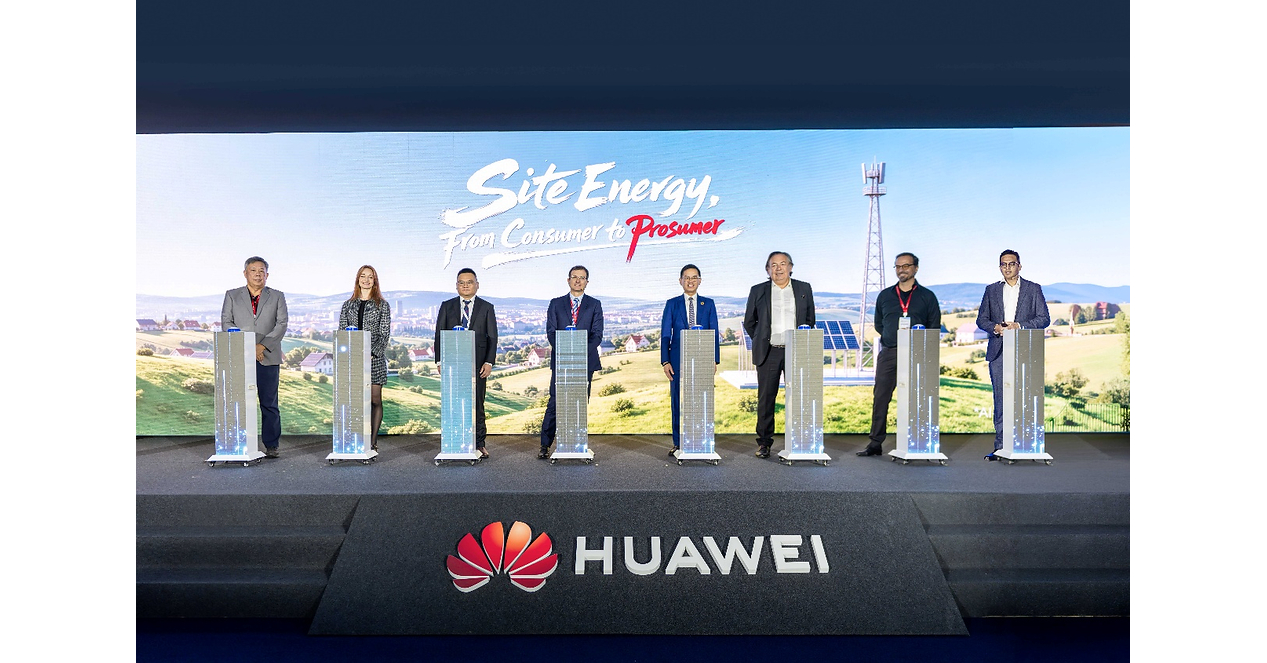
At Huawei’s 10th Global ICT Energy Efficiency Summit, industry participants promoted turning telecom sites into energy prosumers using solar, storage, virtual power plants and AI-based energy management. Joint solar-and-storage project costs were reported below $0.04/kWh; European site-level VPP deployments averaged a three-year return on investment and about €800 in annual revenue per site. Reported examples included up to 12 hours of service continuity during a Portugal outage and 86% of rural Southeast Asian sites operating for 24 months without diesel refueling; these are deployment examples, not sector-wide results. The summit also launched a global initiative to align telecom-sector standards, interfaces and business models.
Analysis
The investable implication is a potential shift in telecom sites from pure electricity loads to flexible, behind-the-meter assets—but the value pool is likely to accrue first to aggregators, controls/software providers, and battery/inverter integrators, not automatically to network operators. Site-level revenue depends on local market access, aggregation scale, and whether batteries can be dispatched without compromising uptime. A non-obvious constraint: the same backup capacity cannot be fully monetized for grid services while also being held in reserve for outages, so reliability requirements may cap the revenue case.
Treat the reported project economics as promotional until independently verified: deployment costs, battery replacement, interconnection charges, realized market revenues, and the definition of the quoted payback are not provided. Near term (days), this is not a sufficient catalyst for a broad renewable-energy trade. Over 1–3 months, watch for named operator/tower-company deployments, aggregator contracts, and regulatory access to flexibility markets. Over 6–18 months, standardization could improve aggregation economics, while wider participation may compress price spreads and reduce per-site revenue. The thesis weakens if realized revenues fall short of payback claims, dispatch restrictions limit participation, or operators continue to prioritize network capex over energy projects.
AllMind Terminal
AI-powered research, real-time alerts, and portfolio analytics for institutional investors.
Request TrialMarket Sentiment
Overall Sentiment
moderately positive
Sentiment Score
0.45
Key Decisions for Investors
- No immediate position: the announcement is an industry initiative, not evidence of material contracted revenue or scaled deployments.
- Build a watchlist across telecom tower operators, VPP aggregators, and battery/inverter suppliers; favor businesses able to earn integration or recurring software revenue over operators relying solely on site-level energy savings.
- Treat the stated site economics as an alert, not an underwriting input. Verify capex scope, battery life and replacement cost, realized grid-service revenues, and whether resilience benefits are included in the payback calculation.
- Revisit the theme if operators disclose multi-site deployments with independently verifiable returns and market access. Falsify the monetization case if realized VPP revenue or availability falls materially short of project claims, or if reliability rules restrict battery dispatch.
More News
- Jio’s Record $3.2 Billion IPO Puts India’s Market Muscle to the Test
- Australian data center operator NextDC's shares plunge 40% after it slashes earnings forecast
- Elon Musk says Tesla and SpaceX are weighing a $3.5 trillion merger—without him in the room
- Neoclouds Lose Silver Lining as Elice, CoreWeave Dive: Evening Briefing Americas
- Anthropic May Spend $750 Billion on Computing Costs, WSJ Reports
- This Janus Henderson fund manager owns CoreWeave debt — here's why he's sticking with it