
Japan's No. 1 Yakitori Chain TORIKIZOKU Soft Opens Its First-Ever TO-GO Concept in Anaheim on October 2
Source: PRWeb
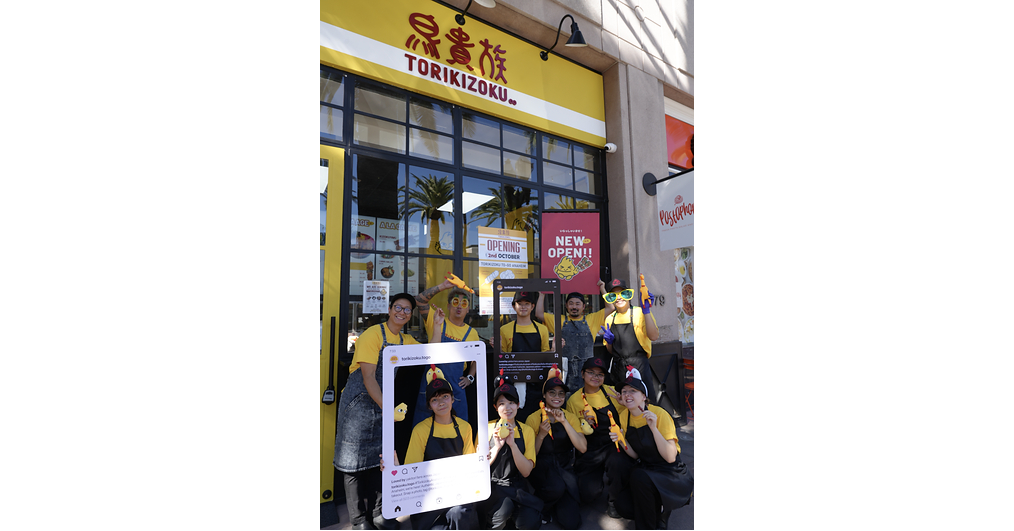
Torikizoku USA will soft open its first takeout-focused U.S. concept, TORIKIZOKU TO-GO Anaheim, on October 2, 2026. The fast-casual location expands the Japanese yakitori chain's Southern California presence following its 2025 Torrance debut, offering teriyaki chicken bowls from $9.98, skewers for $8, and ramen priced from $16.50. The opening is a modest brand-expansion development for the more than 600-unit Japanese chain, with limited broader market impact.
Analysis
This is not investable in public markets on its own, but it is a useful micro-signal for the Southern California value-dining battleground. A sub-$10 chicken/rice offer targets the same occasion as Chipotle (CMG), CAVA (CAVA), Sweetgreen (SG), and quick-service chicken chains, while higher-ticket ramen creates a two-tier check architecture that could lift blended ticket but complicates throughput and food-cost control. The key question is whether the format can generate sufficient lunch and pre-event traffic to offset California labor and occupancy costs; menu breadth is more likely a margin risk than a durable differentiation at one unit.
Near term, there is no read-through for listed restaurant equities. Over 1-3 months, Anaheim visitor traffic and repeat local demand will determine whether a Japanese chain can translate brand equity into U.S. unit economics; a takeout-led format could be more scalable than full-service Japanese dining if it holds labor below fast-casual peers and limits delivery-channel commission exposure. Over 6-18 months, successful replication would marginally increase competitive pressure on Asian-inspired fast casual, particularly privately held Teriyaki Madness and regional ramen operators, rather than meaningfully impairing scaled national chains.
The contrarian point is that low entry pricing may signal customer-acquisition strategy rather than structural affordability. Protein inflation, California wage escalation, and a chicken-centric menu leave limited room for error, while ramen and skewers introduce prep complexity that can dilute the convenience proposition. Treat social-media queues or opening-week demand as non-diagnostic; only sustained transaction velocity, delivery mix, and evidence of subsequent unit openings would establish an actionable sector signal.
AllMind Terminal
AI-powered research, real-time alerts, and portfolio analytics for institutional investors.
Request TrialMarket Sentiment
Overall Sentiment
mildly positive
Sentiment Score
0.20
Key Decisions for Investors
- No standalone equity trade: the company is not publicly listed and the announced unit is immaterial to CMG, CAVA, SG, MCD, QSR, or YUM.
- Set a 3-6 month watch alert for additional U.S. format openings, franchise disclosures, or a stated unit-development target; a multi-unit pipeline would make CAVA and CMG the most relevant public comparables for localized competitive analysis.
- For existing CMG/CAVA longs, monitor Southern California same-store-sales commentary and promotional intensity rather than alter positioning. A broad local value response would be more relevant if it coincides with softer traffic and rising chicken input costs.
- Do not infer a bullish restaurant-demand signal from this launch. Falsification of the margin-risk view would be evidence that the concept expands while maintaining limited menus, high digital pickup mix, and pricing above current entry levels without traffic deterioration.
More News
- Nike Warns Sales Slump Will Worsen This Fiscal Year
- Google unveils latest AI model, but Wall Street wants a breakout personal agent
- Most Americans say US-Israel war on Iran not worth fighting: Poll
- Wilbur Ross was Trump’s first-term tariff hawk. Now he says refunds give importers ‘an extra profit’ and pay them ‘more than the money’ they laid out
- Cullinan initiates FDA filing for lung cancer drug zipalertinib
- Nike's troubles are mounting, and sales could fall further