
Enstructure Completes Acquisition of LOGISTEC's Marine Services Division, Creating One of North America's Largest Terminal and Logistics Networks
Source: PR Newswire
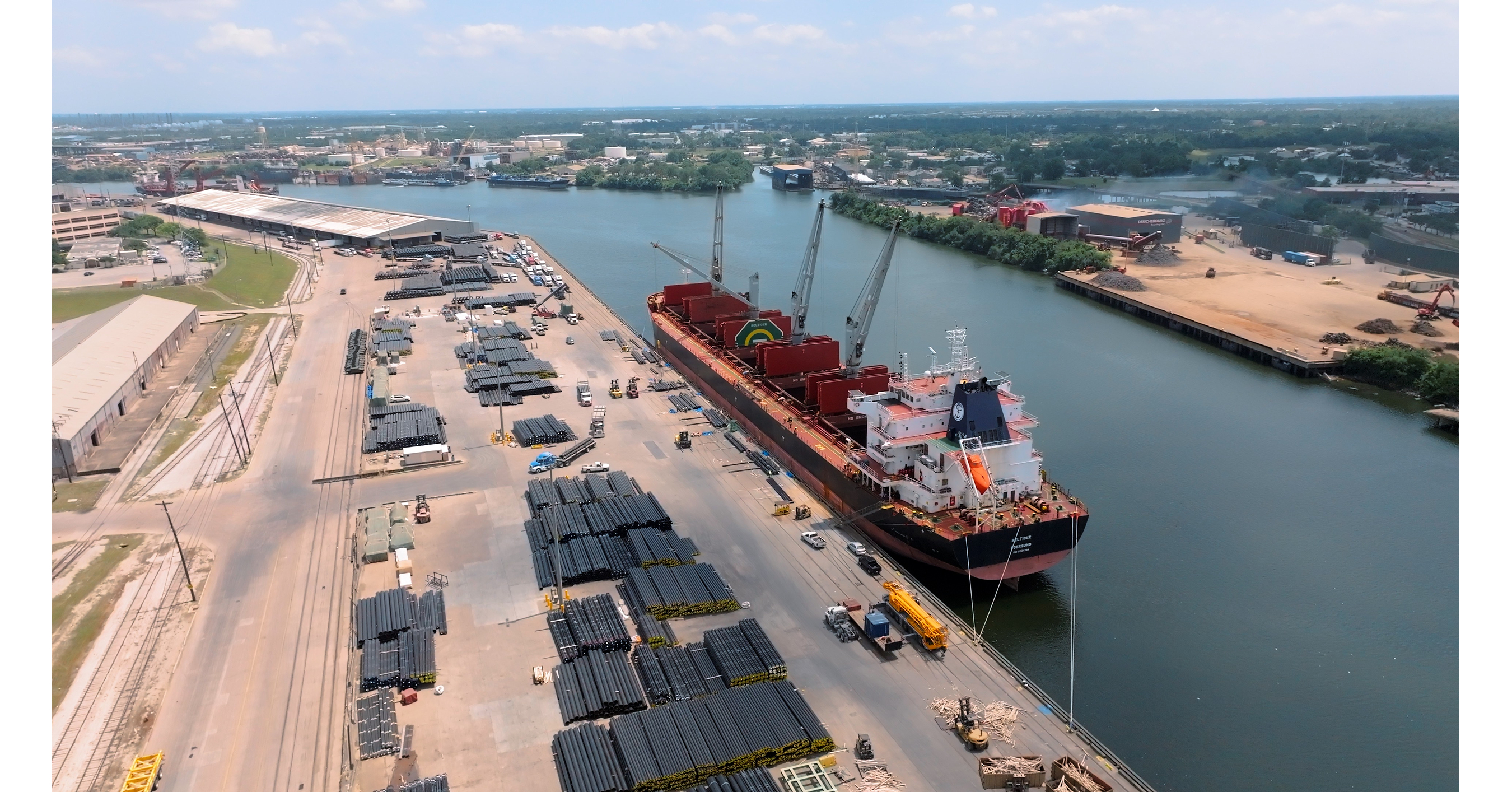
Enstructure completed its acquisition of LOGISTEC’s marine services division, creating a larger North American terminal and logistics network with 106 marine terminals across 30 states/provinces and ~6,000 employees. The combined network spans 3,000+ waterfront acres, includes ~12.5M sq ft of warehousing, and handles ~70M tons of cargo annually, with expanded services across bulk, breakbulk, container, automotive/RoRo and project cargos. Financial terms were not disclosed, but the deal is positioned as a scale-and-capability expansion to improve access to key trade corridors and supply-chain resiliency.
Analysis
The key market mechanism is not the asset transaction itself but the implied operating leverage of a denser terminal network. In marine infrastructure, scale matters less for top-line growth than for asset utilization, cross-selling, and route control; that can improve EBITDA even without much volume growth, but the uplift tends to arrive slowly and is easy to overprice upfront. Smaller, standalone terminal operators and adjacent logistics providers are the likely competitive losers if Enstructure uses the broader network to lock in multi-port contracts and bundle warehousing, stevedoring, and trucking.
For Blackstone, the read-through is modestly positive but not earnings-transformational. The important signal is that BX is still willing to commit balance-sheet and credit capacity to hard-asset, long-duration infrastructure where financing optionality and fee-bearing capital can compound over time. The public-equity impact should show up more in sentiment around BX's ability to source differentiated private credit/infrastructure deals than in near-term reported earnings; the immediate catalyst window is days-to-weeks, while any real fee or carry contribution is a 6-18 month story.
The main risks are execution and regulation. Port assets are local monopolies with labor, permitting, and community friction; integration missteps or capex overruns can erase the benefit of scale. The contrarian point is that investors may overread "resiliency" as a valuation catalyst when these businesses still depend on commodity volumes and industrial activity; without disclosed purchase price and leverage, the equity return math is opaque. What would falsify the constructive read on BX is no follow-through in next earnings on fee-related earnings, AUM deployment, or credit spread performance in the portfolio.
AllMind Terminal
AI-powered research, real-time alerts, and portfolio analytics for institutional investors.
Request TrialMarket Sentiment
Overall Sentiment
moderately positive
Sentiment Score
0.35
Ticker Sentiment
Key Decisions for Investors
- Modestly long BX vs. XLF for 1-3 months: BX has a cleaner read-through to private infrastructure/credit deployment than the broader financials complex; target a low-to-mid single-digit relative outperformance, cut if BX fails to beat XLF by ~5% into next earnings.
- Do not force a direct terminal-sector trade here; the public-equity signal is too indirect. Treat this as a watch item for future port-volume disclosures and avoid initiating IYT or rail shorts unless there is independent evidence of price pressure or share loss.
- If you already own BX, use the event as a hold/add-on-dips signal rather than a chase: the upside is durable but likely incremental, with better risk/reward on pullbacks than at momentum highs. Reassess if BX credit/infrastructure fundraising or fee-related earnings disappoints next quarter.
More News
- How the US midterm elections reflected resistance to data centres
- Further turmoil could be in store for tech stocks. What to watch in the week ahead
- Elon Musk once said the Cybertruck would be Tesla’s ‘best product ever.’ Now he’s winding down production
- Fox completes its $22B acquisition of Roku
- AI Party isn't Ending Because Of The Blue Wave Says Ives
- The AI ‘credit card’ is getting costlier as CoreWeave bond yield tops 16%