
Apple: The $2,000 iPhone Changes The Investment Case
Source: seekingalpha.com
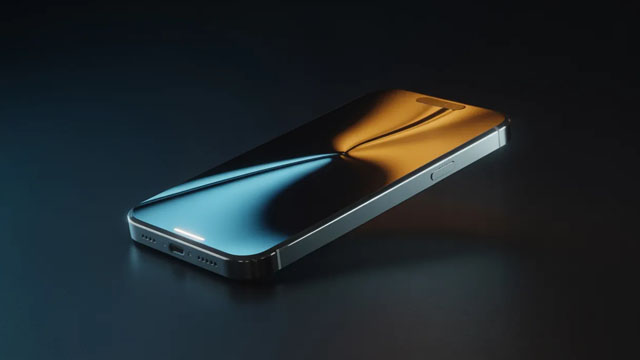
Apple is rated Strong Buy with a $372 price target implying roughly 18% upside, supported by an expected shift toward ultra-premium iPhone models. The iPhone 18 Pro, Pro Max and $1,999 Duo could raise average selling prices, support iPhone revenue growth and mitigate higher component costs. The Duo represents an additional revenue wildcard if adoption is even moderate.
Analysis
The investable question is whether premium mix can outpace unit elasticity. A higher-priced Pro/Duo portfolio should expand iPhone gross margin only if memory, display, and advanced packaging costs remain contained; otherwise ASP gains largely fund bill-of-material inflation. The near-term beneficiary set extends beyond AAPL to premium-content suppliers such as QCOM and AVGO, while flexible-display exposure (OLED) could benefit Samsung Display indirectly; the relevant risk is that Apple’s supplier bargaining power captures most of the economics rather than passing them through.
At an implied upside case, the market will require evidence that the high-end refresh is incremental rather than cannibalizing Pro Max demand. The key 1-3 month catalyst is supply-chain order commentary and lead-time behavior, followed by initial preorder mix; a premium device that shifts existing customers upward can lift revenue but has less impact on installed-base growth, Services attach, and the valuation multiple. Over 6-18 months, a successful new form factor would reinforce Apple’s ecosystem lock-in and raise the ceiling for Services ARPU, but a weak first-generation product could force promotional activity and create an unfavorable margin narrative.
Consensus appears too willing to capitalize a hypothetical product category before verifying yield, pricing, and demand. A $1,999 device targets a narrow replacement cohort, and its launch could expose consumer-finance sensitivity if installment payment adoption weakens or global premium smartphone demand softens. Falsify the bullish thesis if early channel data show Pro/Duo mix below prior Pro Max mix, if iPhone gross-margin guidance fails to improve despite ASP growth, or if management signals elevated launch inventory or component-cost pressure.
AllMind Terminal
AI-powered research, real-time alerts, and portfolio analytics for institutional investors.
Request TrialMarket Sentiment
Overall Sentiment
strongly positive
Sentiment Score
0.58
Ticker Sentiment
Key Decisions for Investors
- Maintain a measured long AAPL only on confirmation of premium-order strength; add after preorder/lead-time data indicate high-end mix above the prior Pro cycle. Target the cited upside over 6-12 months, but reduce if iPhone gross-margin guidance does not rise year over year.
- Use a defined-risk event structure rather than chase pre-launch optimism: buy 6-9 month AAPL call spreads financed by selling farther-out upside, sized for a 10-15% underlying drawdown. The trade requires post-launch revenue/margin upside; it fails if the device merely cannibalizes Pro Max demand.
- Watch QCOM and AVGO for supplier read-through, but do not pre-position solely on the product claim. Initiate tactical longs only if handset-content guidance or Apple-related order trends improve; Apple’s pricing leverage is the principal risk to supplier margin capture.
- For a relative-value hedge, pair long AAPL against short XRT or a broad discretionary basket over the launch window if premium demand remains resilient. This isolates high-income ecosystem spending from a weaker mass-market handset and consumer backdrop; exit if financing delinquencies or premium order lead times deteriorate.
More News
- 5 big analyst AI moves: ’Uniquely catalyst-rich’ months ahead for SpaceX
- Tech stocks are being repriced, not headed for a dot-com-style crash: Strategist
- Spotify Earnings: A Miss, But Long-Term Potential Remains
- Block’s new voice model sounds eerily human
- The AI graveyard: a running list of projects and startups that didn’t make it
- Peter Thiel says Apple has done 'nothing new' after Steve Jobs