
Huawei y sus socios industriales en la 10ª Cumbre Mundial de Eficiencia Energética de las TIC
Source: PR Newswire
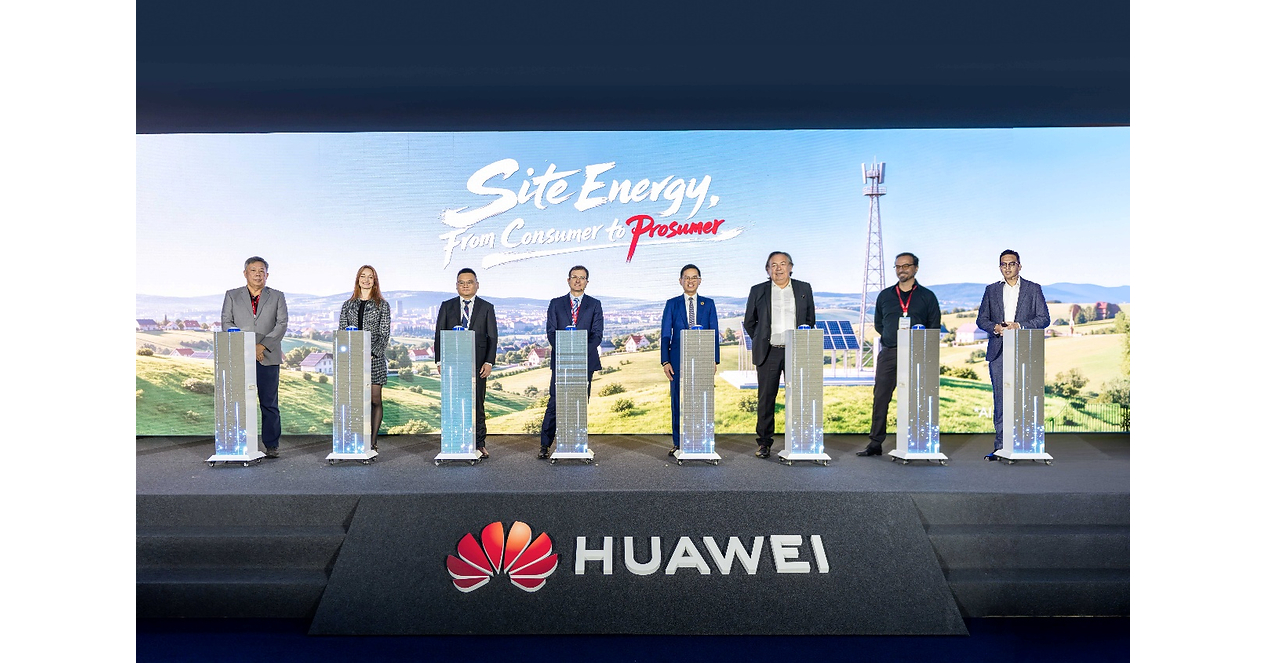
En Europa, las implementaciones de centrales eléctricas virtuales (VPP) en emplazamientos de telecomunicaciones registran, según lo expuesto en la cumbre de Huawei, un ROI medio de unos tres años y cerca de €800 de ingresos anuales por emplazamiento; los sistemas solares integrados con almacenamiento cuestan menos de $0,04/kWh. Los casos citados incluyen servicios críticos en línea hasta 12 horas durante un apagón en Portugal y cero recargas de diésel durante 24 meses en el 86% de los emplazamientos de una implementación rural del sudeste asiático. La cumbre lanzó una iniciativa para promover estándares, interfaces y modelos de negocio comunes que permitan a los operadores agrupar recursos energéticos distribuidos y participar en servicios de red.
Analysis
The investable implication is not a near-term earnings inflection for telecom operators: the cited per-site revenue is small in absolute terms and comes from a Huawei-organized event, not independently verified deployment economics. The more consequential mechanism is whether tower and telecom-site batteries can be aggregated at scale without compromising backup reserves. If they can, value shifts toward flexible-load aggregators, energy-management software and storage integrators; diesel demand and generator utilization face gradual pressure. Centralized grid flexibility providers could lose some value, but dispersed telecom assets are unlikely to matter materially until participation volumes and market access are demonstrated.
The key constraint is value capture, not the technical concept. Operators may reserve batteries for resilience, while market rules, connection limits, telemetry standards and battery degradation reduce dispatchable capacity. A three-year site-level payback is therefore a diligence item, not a sector-wide assumption. Near term, treat this as a weak signal rather than a catalyst. Over 1–3 months, watch for named commercial contracts, disclosed site counts and third-party validation of revenue after aggregator fees and battery wear. Over 6–18 months, interoperable standards and repeatable grid-market access could support structural growth for storage and flexibility providers. The contrarian risk is that the market overvalues a compelling resilience narrative while most sites remain uneconomic or unavailable for grid dispatch.
AllMind Terminal
AI-powered research, real-time alerts, and portfolio analytics for institutional investors.
Request TrialMarket Sentiment
Overall Sentiment
mildly positive
Sentiment Score
0.35
Key Decisions for Investors
- No immediate directional trade on this announcement alone. It does not establish material earnings exposure for Huawei or listed telecom operators, and the company identities supplied contain no ticker mapping.
- Build a watchlist of energy-storage integrators and demand-response/VPP aggregators with telecom-site exposure; prefer evidence of contracted deployments and realized net revenue over conference claims. Do not assume the cited per-site economics generalize across markets.
- For a potential 1–3 month catalyst, track disclosed deployments, standardized interfaces, grid-market eligibility and operator agreements. Reassess only if reporting shows site counts, dispatch availability and payback after fees and battery degradation.
- Falsify the constructive thesis if pilot expansions stall, realized VPP income falls below the level needed to support the claimed payback, or operators restrict battery dispatch to preserve backup reliability. A durable thesis needs evidence that resilience reserves and grid-market participation can coexist.
More News
- Jio’s Record $3.2 Billion IPO Puts India’s Market Muscle to the Test
- Australian data center operator NextDC's shares plunge 40% after it slashes earnings forecast
- Elon Musk says Tesla and SpaceX are weighing a $3.5 trillion merger—without him in the room
- Neoclouds Lose Silver Lining as Elice, CoreWeave Dive: Evening Briefing Americas
- Anthropic May Spend $750 Billion on Computing Costs, WSJ Reports
- This Janus Henderson fund manager owns CoreWeave debt — here's why he's sticking with it
From AllMind Research
- Anthropic IPO Preview: Valuation, Timing, and What to Watch
- Shein After the IPO: Venue, Valuation, and What Must Be Proved
- What AI Research Tools Should a Small Hedge Fund Buy First?
- How to Write an Investment Memo with AI: A Decision-Record Template
- Best AI to Write Earnings Notes for Sell-Side Analysts