
KraftPal Unveils New Semi-Automatic Pallet Production Machine to Accelerate Global Licensing Expansion
Source: PR Newswire
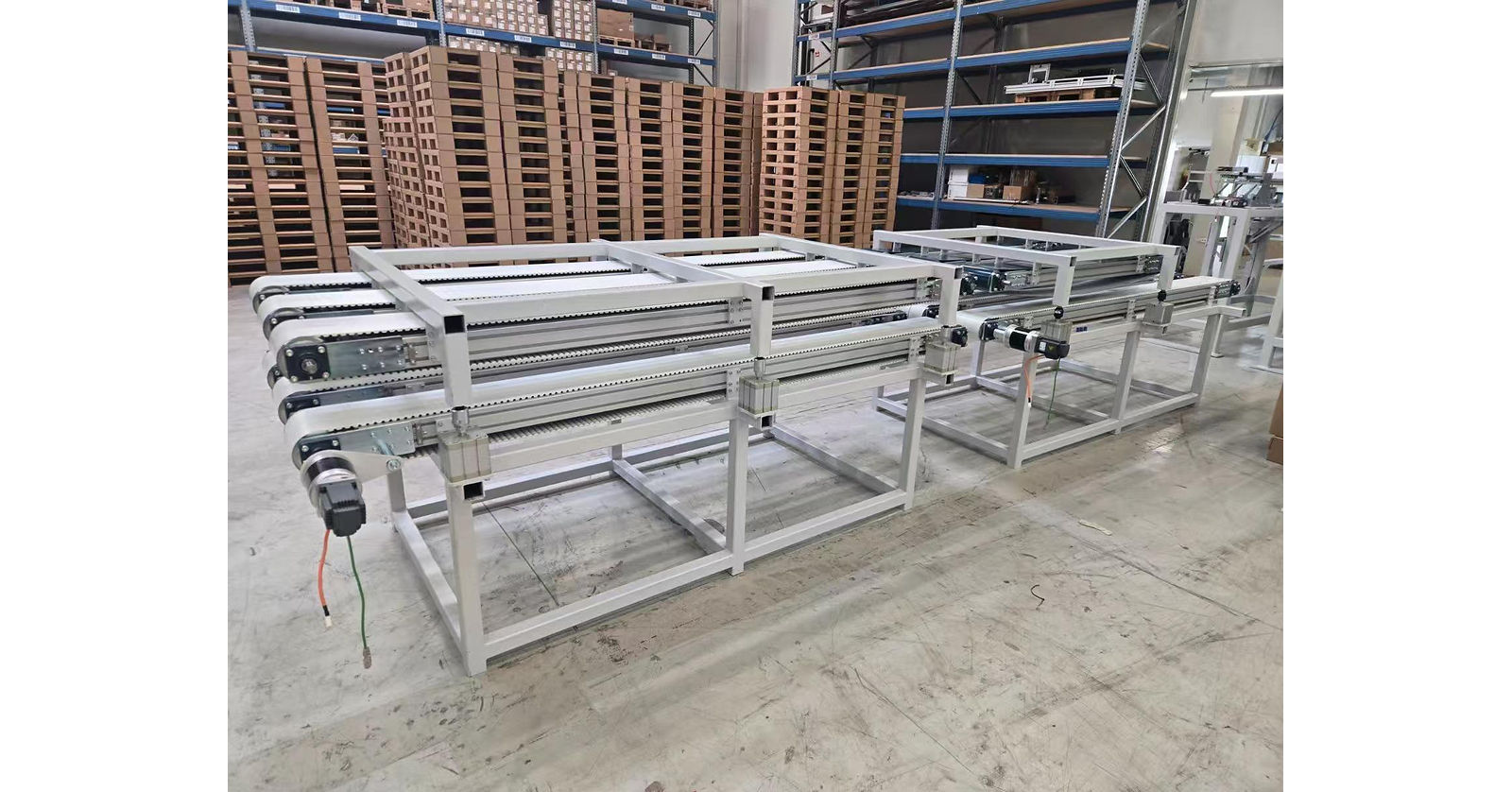
KraftPal completed its KP25039 semi-automatic paper-pallet production machine, a lower-cost licensing-partner solution capable of producing up to 100 pallets per hour and incorporating Yaskawa robotic arms. The company expects the machine to support faster local production start-ups as European packaging rules under PPWR Regulation (EU) 2025/40 increase demand for sustainable alternatives. KraftPal plans to expand internationally over the next three months, targeting the U.S., mainland Europe, Ireland and the U.K.
Analysis
This is not yet a public-equity catalyst: KraftPal is private, machine economics, licensee commitments, installed-base utilization, and unit gross margin are undisclosed. A lower-capex format may widen the addressable licensee pool, but the added labor content shifts the adoption hurdle from equipment affordability to local wage rates, throughput utilization, and corrugated-board availability. The likely early adopters are export-heavy shippers where avoiding wood-pallet treatment, reducing freight weight, or meeting customer sustainability specifications offsets a potentially higher per-trip pallet cost.
For listed packaging companies, the volume effect is initially immaterial. PKG, IP, and SW would only see a meaningful benefit if paper pallets achieve repeatable penetration in high-throughput consumer, pharmaceutical, or e-commerce lanes; a 100-pallet/hour machine requires sustained local demand to create material incremental containerboard consumption. Conversely, ORB's plastic-pallet exposure is more vulnerable in one-way/export applications than in closed-loop pooling, where durability and reuse economics remain decisive.
The 1-3 month catalyst is evidence of paid licensee orders and operating installations in the U.S. and Europe, rather than announced geographic expansion. Over 6-18 months, PPWR implementation could increase procurement scrutiny around transport packaging, but it does not by itself establish superior lifecycle economics; recycled-fiber availability, moisture performance, damage rates, and fire-safety acceptance are the key falsifiers. Yaskawa's robotic-content benefit is too small relative to its global automation revenue to support a standalone thesis.
AllMind Terminal
AI-powered research, real-time alerts, and portfolio analytics for institutional investors.
Request TrialMarket Sentiment
Overall Sentiment
moderately positive
Sentiment Score
0.42
Key Decisions for Investors
- No directional trade on the announcement; treat it as a private-company commercialization watch item until disclosed licensee count, machine selling price, utilization, and customer reorder data establish economic viability.
- Monitor PKG and IP for incremental lightweight transport-packaging demand over the next 2-4 quarters, but do not underwrite earnings upside absent disclosed tonnage or conversion-board orders; containerboard pricing and mill downtime will dominate near-term returns.
- Place ORB on a 6-18 month relative-risk watchlist versus PKG: consider long PKG/short ORB only if paper-pallet adoption is independently validated by major export shippers and ORB signals share loss in one-way applications. Falsifier: ORB maintains pricing and volume growth in its transport-packaging segment.
- Do not buy YASKY/6506 on this development; reassess only if management identifies pallet-production automation as a recurring vertical with order backlog large enough to affect automation-segment guidance.
More News
- Saudi Arabia intercepts missiles and drones as fighting with Houthis rages
- Here’s the ‘core economic flaw’ in the AI bull case as stock and bond trades unravel, according to a top economist
- 5 big analyst AI moves: ’Uniquely catalyst-rich’ months ahead for SpaceX
- The experience economy keeps defying expectations. Maybe we’ve been looking at it all wrong
- Xencor reports phase 1 data for cancer drug XmAb819
- Saudi Arabia intercepts drones and missiles as fighting with Yemen’s Houthis continues
From AllMind Research
- Anthropic IPO Preview: Valuation, Timing, and What to Watch
- Shein After the IPO: Venue, Valuation, and What Must Be Proved
- What AI Research Tools Should a Small Hedge Fund Buy First?
- How to Track Guidance Changes Across a Coverage List With AI
- Stop Treating AI Like a Chatbot: What Are Agents, SubAgents, MCP, and Skills, and How Do They Actually Work?