
Socfin publica su Estrategia de Sostenibilidad 2026-2031 y su Política de Gestión Responsable actualizada
Source: PR Newswire
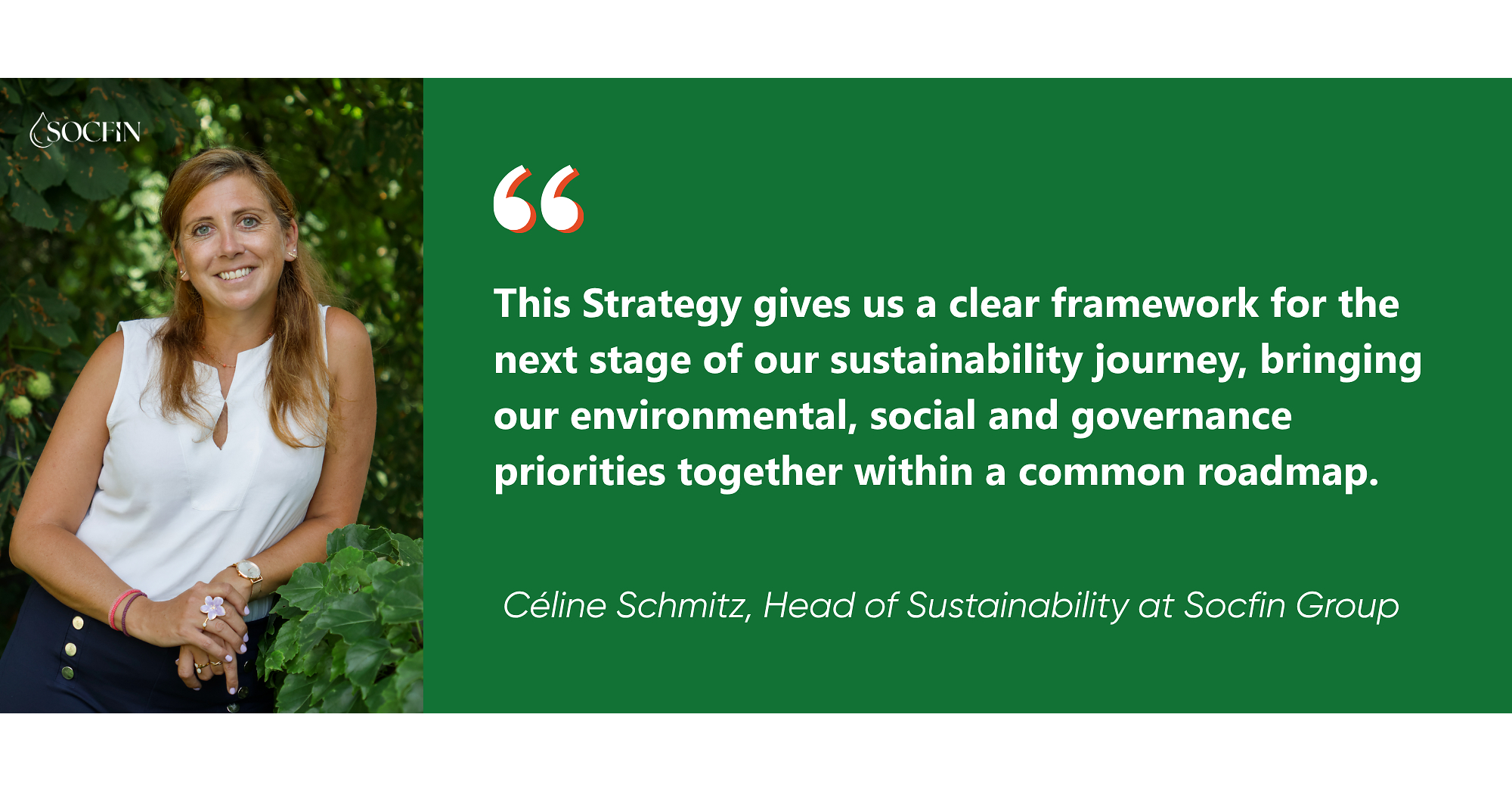
Socfin publicó una Estrategia de Sostenibilidad 2026-2031 y actualizó su Política de Gestión Responsable para sus operaciones de caucho natural y aceite de palma en África y Asia. La estrategia fija cinco prioridades ESG y una implementación por fases: compromisos en 2026-2027, despliegue en 2028-2029 y seguimiento y mejora continua en 2030-2031. El anuncio describe compromisos y planes, sin informar resultados financieros ni metas cuantificadas.
Analysis
Socfin’s roadmap is a governance signal, not evidence of improved sourcing outcomes or financial returns. The market mechanism to watch is whether traceability and human-rights diligence become enforceable supplier-selection criteria for palm-oil and natural-rubber buyers. If they do, producers able to document compliant sourcing may gain procurement access; smaller suppliers and intermediaries could face higher compliance costs or lose market access, potentially shifting volume toward better-documented supply chains. That benefit is conditional: the release provides no independently verified targets, capex, audit results, or implementation data.
Near term (days to weeks), little basis for a price reaction or trade is apparent. Over 1–3 months, look for buyer requirements, audit findings, certification status, and specific measurable targets—not further policy language. Over 6–18 months, implementation costs and any disruption to sourcing could matter more than reputational benefits, especially if traceability requirements expose gaps in upstream supply.
Contrarian point: investors may overvalue the announcement as risk reduction. A policy aligned with recognized frameworks does not establish compliance at individual operations or resolve land-use and community disputes. Conversely, if buyers tighten verification, credible traceability could become a competitive advantage rather than merely a cost. Socfin has no supplied ticker or company mapping; without public-market exposure, this is a sector diligence signal, not a direct trade catalyst.
AllMind Terminal
AI-powered research, real-time alerts, and portfolio analytics for institutional investors.
Request TrialMarket Sentiment
Overall Sentiment
neutral
Sentiment Score
0.10
Key Decisions for Investors
- No direct position on this announcement alone; the release lacks independently verifiable operating outcomes and the supplied data identifies no investable ticker.
- For holdings exposed to palm oil or natural rubber procurement, flag Socfin-linked sourcing for diligence: verify traceability coverage, audit findings, certification, and any supplier or customer requirements.
- Watch the next 1–3 months for buyer policy changes or verified implementation data; treat new commitments without measurable operating evidence as non-incremental.
- Reassess over 6–18 months if sourcing disclosures show material supplier exclusions, procurement disruption, or documented compliance advantages. Those developments—not the policy announcement itself—would support a relative-winner/loser trade.
More News
- The world needs Ukraine’s grain. Its farmers are running out of reasons to plant
- How U.S. know-how is fracking Australia into a gas boom, from Texas oilmen to Trump’s energy secretary
- Guitar Center is dropping its ban on playing ‘Stairway to Heaven.’ It’s part of the CEO’s big turnaround plan
- Tesla drops 'Full Self-Driving' brand name in Europe after regulator pushback
- SpaceX makes big move into wireless. These once 'obsolete' tech stocks could benefit
- Wall Street sees buying opportunity in banks as shares tank ahead of earnings
From AllMind Research
- Anthropic IPO Preview: Valuation, Timing, and What to Watch
- Shein After the IPO: Venue, Valuation, and What Must Be Proved
- What AI Research Tools Should a Small Hedge Fund Buy First?
- AI Vendor Landscape for Institutional Investment Teams
- AllMind Fixed Income Compass for October 2025: Navigating Policy Divergence and Political Risk