
Why Food Prices Are Rising in India, From Onions to Cooking Oil
Source: Bloomberg
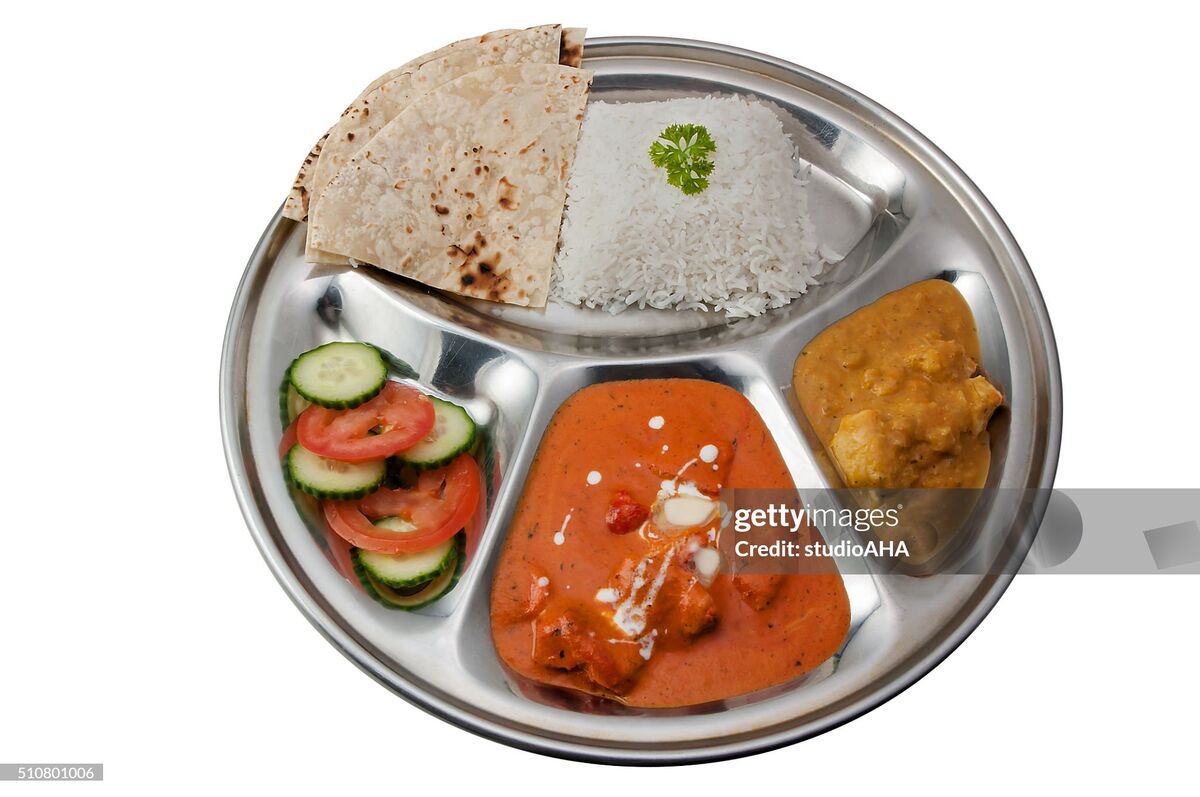
India's August CPI data show mounting food-inflation pressure, with onion prices up almost 50% year over year and ginger rising more than 70%. Food represents nearly half of monthly spending for some rural households and almost 40% for urban households, making staple-price increases a significant drag on consumer purchasing power. Rising costs for cooking oil and other core thali ingredients heighten inflation risks and could complicate the policy outlook.
Analysis
The investable transmission is through real disposable income rather than headline CPI: lower-income Indian households have a high propensity to cut discretionary categories first, pressuring volume growth for packaged foods, two-wheelers, entry-level consumer durables and mass-market retail. Staples producers can protect reported revenue through price increases, but gross-margin resilience will depend on whether edible-oil and agricultural-input costs rise faster than pricing; this favors companies with premium mix and distribution power such as Hindustan Unilever (HINDUNILVR) and ITC over smaller regional FMCG brands. Banks with meaningful unsecured rural and microfinance exposure face a 1-3 quarter risk of weaker collections if food-cost stress persists.
The macro risk is asymmetric because food shocks can delay RBI easing even as non-food demand softens. That combination is unfavorable for rate-sensitive domestic cyclicals and small-cap valuations, while INR weakness could amplify imported edible-oil inflation. Consensus may over-extrapolate a single crop-price spike: a normal monsoon, improved onion arrivals, or lower global palm-oil prices can reverse the food basket within months, leaving defensives expensive. The key falsifiers are sequential food-CPI deceleration, a sustained decline in wholesale vegetable prices, and RBI guidance shifting decisively toward near-term easing.
Over 6-18 months, repeated food-price volatility is structurally supportive of organized FMCG firms that can hedge inputs, optimize pack sizes and take pricing without losing shelf space; it is also supportive of agricultural logistics, cold-chain and irrigation investment. But the near-term market response should be restrained: without evidence of broad core-inflation pass-through or a consumption-volume miss, this is an allocation tilt rather than a high-conviction directional event.
AllMind Terminal
AI-powered research, real-time alerts, and portfolio analytics for institutional investors.
Request TrialMarket Sentiment
Overall Sentiment
mildly negative
Sentiment Score
-0.42
Key Decisions for Investors
- Maintain a 1-3 month defensive tilt within India: long HINDUNILVR and ITC versus short/underweight an India consumer-discretionary proxy such as INDA or EPI. The thesis is relative volume and margin resilience; exit if monthly food CPI and vegetable wholesale prices decelerate materially for two consecutive prints.
- Reduce exposure to Indian lenders with high rural unsecured, microfinance or two-wheeler-finance sensitivity until next-quarter collection trends are visible; prefer higher-quality deposit franchises such as HDFCB and ICICIBANK. Re-risk only if management commentary confirms stable delinquencies and rural loan growth without credit-cost revision.
- Use RBI policy meetings and the next two CPI releases as catalysts for a tactical long-duration hedge: if food inflation broadens into core services, avoid adding to rate-sensitive Indian REITs, NBFCs and small caps. The trade is invalidated by a clear RBI easing signal paired with falling food inflation.
- Set an alert on global palm-oil and INR moves rather than initiating a commodity trade: a simultaneous rise in palm oil and INR depreciation would raise the probability of FMCG margin compression over the next two earnings cycles; absent both, company-specific pricing power remains the dominant variable.
More News
- BOJ expected to hike rates by 25 basis points to fresh three-decade high: CNBC survey
- Three Big Central Bank Decisions Loom: Evening Briefing Americas
- BOJ set to raise interest rates to 31-year high as inflation risks loom
- Iran war increasing inflation, straining US munitions: congressional report
- Attacks on Saudi oil expose Iraqi PM’s struggle to control armed factions
- Oil prices dip as U.S. inventory build offsets M.East supply jitters