
Niutech unterzeichnet Vertrag mit weltweit führendem Energiekonzern über eine Produktionsanlage zur Pyrolyse von Kunststoffabfällen zur Herstellung von SAF
Source: PR Newswire
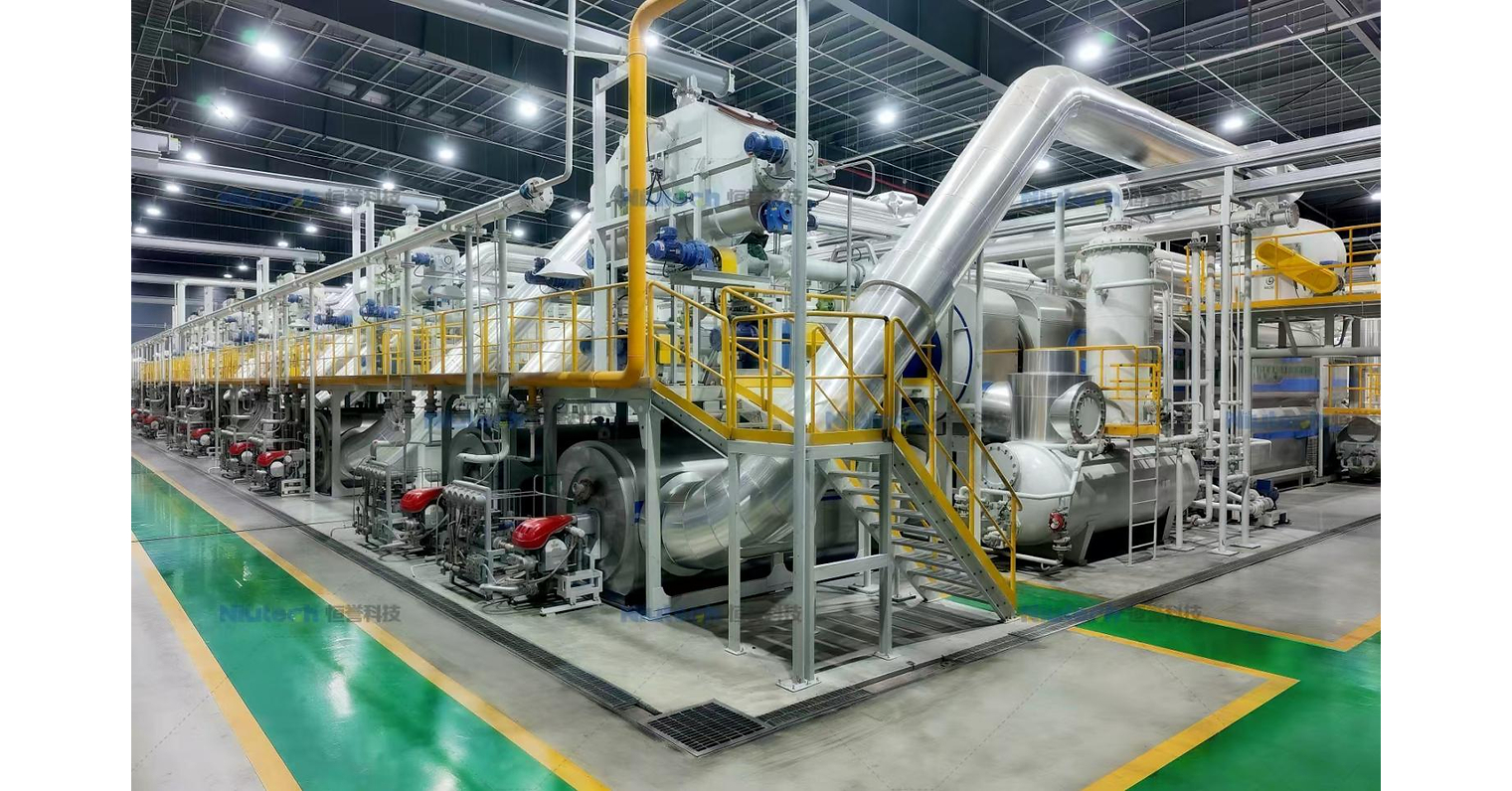
Niutech hat einen Kaufvertrag über eine industrielle Anlage zur kontinuierlichen Pyrolyse von Kunststoffabfällen mit einer Kapazität von 10.000–50.000 t/Jahr pro Einheit für die SAF-Produktion unterzeichnet. Das Projekt soll eine Raffinerie modernisieren und eine durchgängige Umwandlung von Pyrolyseöl aus Kunststoffabfällen zu hydriertem Sustainable Aviation Fuel ermöglichen – als Beitrag zur ReFuelEU-Aviation-Quote (2% ab 2025, bis 70% in 2050). Die Meldung ist strategisch positiv (erster Einstieg in die Lieferkette eines globalen Energiekonzerns), dürfte aber kurzfristig nur begrenzt börsenbewegend sein.
Analysis
This reads as a proof-of-concept for a new SAF feedstock route, not an earnings inflection. The market mechanism is that mixed-plastic pyrolysis could lower the dependence on scarce UCO and improve project economics for refinery-integrated SAF capacity, but the volume is still too small to matter at industry scale; one unit is optionality, not supply shock. The immediate price reaction should stay local to private/equipment suppliers, while public-market impact is mainly on the long-duration valuation of SAF-linked names.
Winners are the players with existing hydrotreating, hydrogen, and logistics infrastructure that can absorb low-quality pyrolysis oil without building a greenfield supply chain. Airlines lose a little more margin flexibility over 1-3 years as mandates tighten, but the near-term effect is limited because mandated blend rates remain low; the bigger loser is the scarcity premium embedded in first-gen SAF narratives that assumed UCO would remain the main bottleneck. Waste managers and recycling infrastructure operators get a second-order benefit only if this turns municipal/plastics streams from disposal cost into feedstock revenue.
The contrarian risk is overreading a press release before final investment decision, financing, and uptime data are visible. Key falsifiers over the next 1-3 months are no disclosed capex, no repeat orders, or evidence that hydrogen/energy costs erase the economics. Over 6-18 months, policy enforcement and carbon-credit pricing will matter more than the chemistry; if enforcement softens or crude falls materially, the entire economics compress quickly. There is no direct GOOGL trade here.
AllMind Terminal
AI-powered research, real-time alerts, and portfolio analytics for institutional investors.
Request TrialMarket Sentiment
Overall Sentiment
mildly positive
Sentiment Score
0.35
Key Decisions for Investors
- No trade in GOOGL; keep flat. The article has no direct revenue or margin linkage, so do not force exposure.
- Modest long VLO / short JETS pair over the next 1-3 months. Thesis: refiners with hydrotreating optionality can capture any SAF upside, while airlines absorb compliance cost. Risk/reward is favorable only if SAF policy tightens faster than crude falls.
- Watchlist WM and RSG for 6-18 month optionality on plastic-feedstock monetization. Buy only if management discloses actual contracts or throughput economics; otherwise this remains a second-order theme, not a catalyst.
- Avoid chasing pure-play SAF names on this headline alone; if GEVO or other small-cap SAF proxies gap up, fade strength unless there is disclosed backlog or project financing. The market is likely overpricing near-term volume.
More News
- Container ship sinks in Strait of Hormuz as Iran steps up attacks
- Here's the inflation breakdown for September 2026 — in one chart
- CoreWeave shares tumble as bond yields near 15% on concern about AI borrowing binge
- Bending Spoons Stock Soars on Berkshire’s Increased Stake
- AI Boom Drives ASML Higher as Nvidia Bets on Europe
- Travis Kelce joined an activist group pushing Six Flags to consider a sale. The ‘Final Destination’-style death of a patron poured gas on the fire
From AllMind Research
- Anthropic IPO Preview: Valuation, Timing, and What to Watch
- Shein After the IPO: Venue, Valuation, and What Must Be Proved
- What AI Research Tools Should a Small Hedge Fund Buy First?
- Weekly Update: In-App Tutorials, Futures Data, and Watchlist Enhancements
- AI Tools for Independent Research Firms: A Publishing System