
One of the First 50 Websites on the Internet (Est. 1991) Reinvents Itself as an Agentic Systems Company: ARADIA Unveils Turnkey Private AI Appliances and the World's First B2A Partner Program for Autonomous Agents
Source: PR Newswire
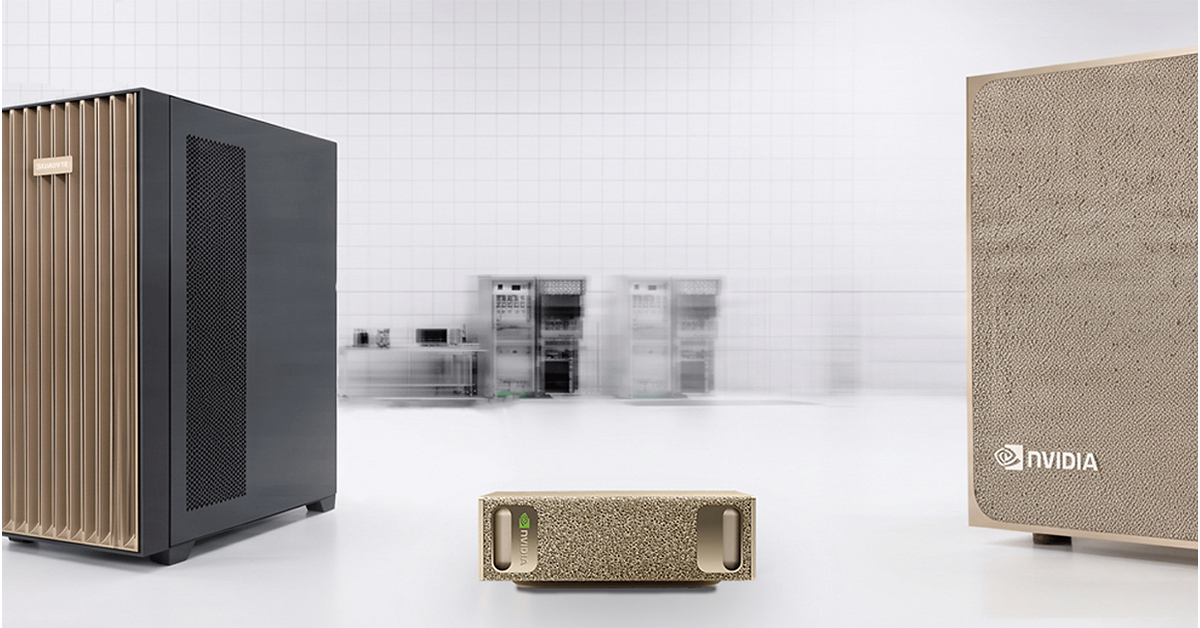
ARADIA announced turnkey, on-premise AI appliances built on NVIDIA DGX hardware for organizations with 1–200 users, in desktop, workstation and rack-scale configurations. The company says its systems are hardened and preconfigured, with a typical 4-to-14-month payback and $0 marginal token cost; these are company-provided claims. ARADIA also launched a partner program offering 10% hardware commissions and 10% recurring SLA commissions.
Analysis
This is a product-positioning announcement, not yet evidence of a material demand shift. If customers move steady, sensitive inference workloads on-prem, NVIDIA benefits at the hardware margin and cloud AI providers could lose some token consumption—but the addressable revenue impact is likely immaterial absent deployment and unit-sales data. The larger constraint is customer economics: power, hardware utilization, model refreshes, support, and security ownership can erode claimed savings, especially for small organizations without IT staff. A turnkey setup may reduce installation friction but does not eliminate those lifecycle costs.
The strongest potential use case is regulated or confidentiality-sensitive work with predictable, sustained workloads. Conversely, bursty use or rapidly changing models may remain cheaper and more capable in the cloud. The legal and tax assertions in the release should not be treated as validated: a cited ruling does not establish a universal privilege outcome, and tax eligibility does not establish an attractive total cost of ownership.
Near term, there is no identifiable public equity exposure to ARADIA in the supplied data and no basis for a sector trade. Over 1–3 months, the key catalyst is independently verifiable customer adoption, realized payback, and recurring support revenue—not partner-program sign-ups. Over 6–18 months, repeat deployments and retention would indicate whether private AI appliances are a durable channel for AI infrastructure or a niche compliance product. The contrarian possibility is that ownership economics work for high-utilization workloads; the counterpoint is that small firms may be buying operational complexity rather than avoiding it.
AllMind Terminal
AI-powered research, real-time alerts, and portfolio analytics for institutional investors.
Request TrialMarket Sentiment
Overall Sentiment
mildly positive
Sentiment Score
0.30
Key Decisions for Investors
- No trade on the announcement alone. ARADIA is not mapped to a listed ticker here, and the release provides no independently verifiable shipment, pricing, or customer-retention data.
- Treat NVIDIA as a conditional, very small positive read-through only if subsequent evidence shows meaningful incremental DGX orders; do not infer a material revenue catalyst from a single vendor launch.
- Track disclosed appliance pricing, actual customer deployments, workload utilization, power and support costs, and renewals. These are necessary to test the claimed payback and recurring-revenue model.
- Falsify the adoption thesis if early deployments do not renew or customers continue routing most workloads to cloud services; reassess positively if repeat sales and measured customer savings emerge across multiple regulated-service segments.
More News
- Magnificent 7 loses $1 trillion. The most eye-popping stats from Thursday's tech stock plunge
- Tech stocks are suffering their biggest selloff since Covid, as investors see premature end to AI datacenter boom
- Wall Street’s best post-midterm rally in 44 years lasted just one day—then $3 trillion vanished as chip stocks plunged over AI fears
- How Wall Street's postelection rally got obliterated — and what's next
- Elon Musk's Tesla and SpaceX lose over $420 billion in combined market cap after midterms
- AI stocks plunge after election, driving down US markets