
Oil Prices Decline on Hopes of a Hormuz Deal
Source: Bloomberg
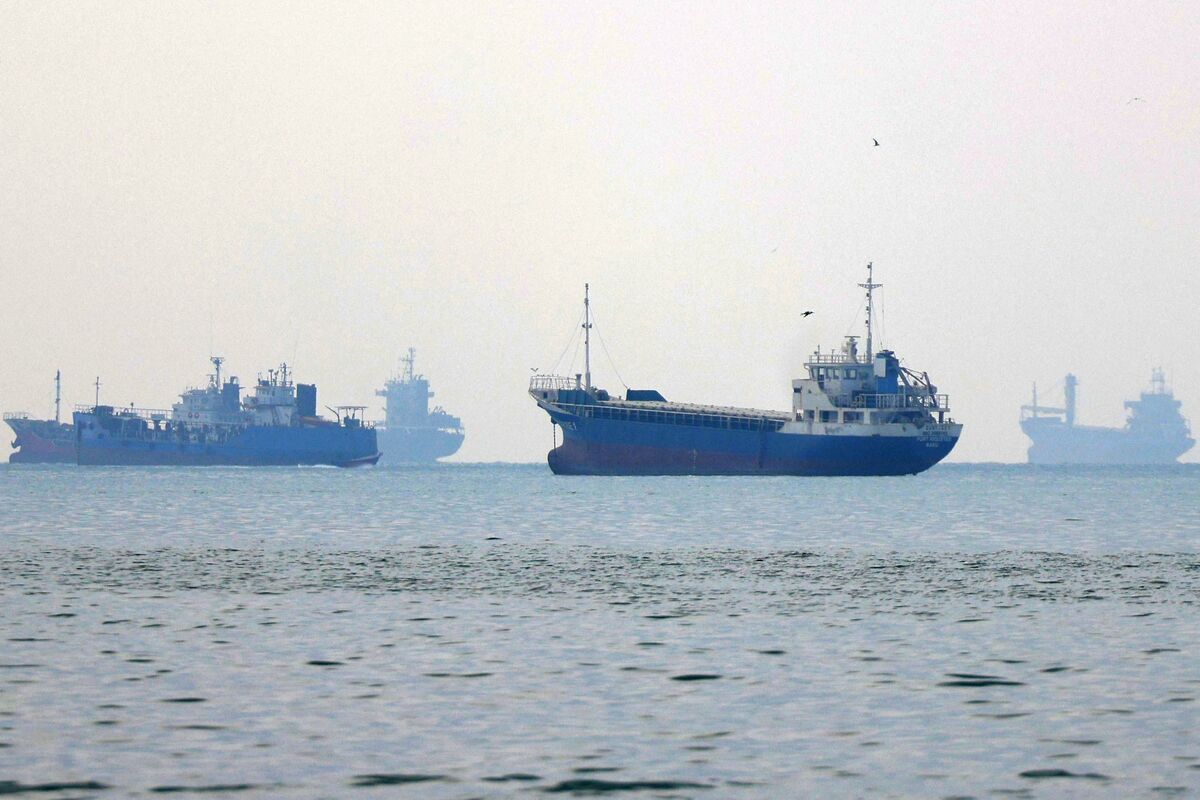
Brent crude fell toward $105 per barrel on reports that US and Iranian negotiators may pursue a phased agreement to reopen the Strait of Hormuz, easing a key oil-supply risk. The oil decline helped relieve pressure from a global bond selloff: the 10-year Treasury yield slipped 1bp to 5.19% after rising more than 20bps over the previous two sessions. Geopolitical risks remain elevated, however, with France planning to deploy troops to defend a Saudi oil facility following fresh Houthi attacks.
Analysis
The market is beginning to remove a geopolitical scarcity premium, but a phased reopening is not equivalent to normalized physical flows. Tanker scheduling, war-risk insurance, port inspections and shipowner willingness to transit can keep effective supply constrained for weeks after a political announcement; Brent near $105 still embeds a material inflation impulse. The more durable near-term beneficiary is likely downstream fuel consumers and selected refiners rather than broad energy equities, whose cash-flow sensitivity remains positive at this oil level even if crude retraces $10-15/bbl.
A modest Treasury rally should not be read as a clean duration signal. If crude remains above $95, headline CPI and inflation expectations can re-accelerate, limiting the scope for sustained 10-year yield compression; the asymmetric risk is that a failed negotiation simultaneously lifts oil and term premium. Saudi infrastructure attacks also create a distinction between transit risk and production risk: a deal can reduce the former while military escalation sustains the latter, leaving crude volatility structurally expensive over the next 1-3 months.
Contrarian view: the first tradable response to a credible deal is likely an overreaction in front-month crude, while the physical and geopolitical risk premium migrates into deferred oil, refined products and tanker markets. A full normalization thesis is falsified by unchanged transit volumes, elevated war-risk premia, renewed attacks on Saudi assets, or Brent recovering above $115 after an initial deal-driven selloff. Over 6-18 months, persistent insecurity around Gulf export routes strengthens the strategic case for North American production, LNG infrastructure and non-Gulf supply diversification.
AllMind Terminal
AI-powered research, real-time alerts, and portfolio analytics for institutional investors.
Request TrialMarket Sentiment
Overall Sentiment
mixed
Sentiment Score
-0.10
Key Decisions for Investors
- Use a Brent/WTI selloff toward $95-100 Brent to initiate a 1-3 month long XOP versus short XLE pair. Smaller E&Ps retain greater operating leverage to a rebound in crude, while integrated majors face more downstream offset; exit if Brent settles below $90 for five trading days or if OPEC signals additional supply.
- Buy 2-3 month USO call spreads rather than outright futures after an initial deal headline decline: target upside through a Brent-equivalent return to $115, financed by selling strikes above $125. This captures failed-execution risk while limiting exposure if transit normalizes; risk is sustained verified Hormuz throughput and Brent below $90.
- Tactically long JETS or a basket of DAL/UAL against short XLE for 2-6 weeks only if Brent breaks below $100 and jet-fuel cracks do not widen. Airlines receive rapid fuel-cost relief, but the trade should be avoided if Treasury yields resume rising because balance-sheet and duration sensitivity can overwhelm fuel savings.
- Do not add outright TLT duration on the oil move alone. Instead, monitor 5-year breakevens and Brent: a decline in both below 2.4% and $95 respectively would validate a more durable disinflationary duration long; Brent back above $110 would favor reducing duration exposure.
More News
- Iran says it's up to U.S. to end war as China presses for de-escalation
- Take Five: It’s Q4 already?
- Oil prices jump after Yemen’s Houthis claim attacks on Saudi facilities
- European Retail Stocks Set to Struggle as Risks for Consumers Grow
- An absence of significant economic slowdown doesn't mean no signs of stagflation risks. Here's why
- Saudi, Turkish, Pakistani chiefs plan urgent talks amid Yemen fighting