
School District Cuts Put Leveraged Lenders on the Backfoot
Source: Bloomberg
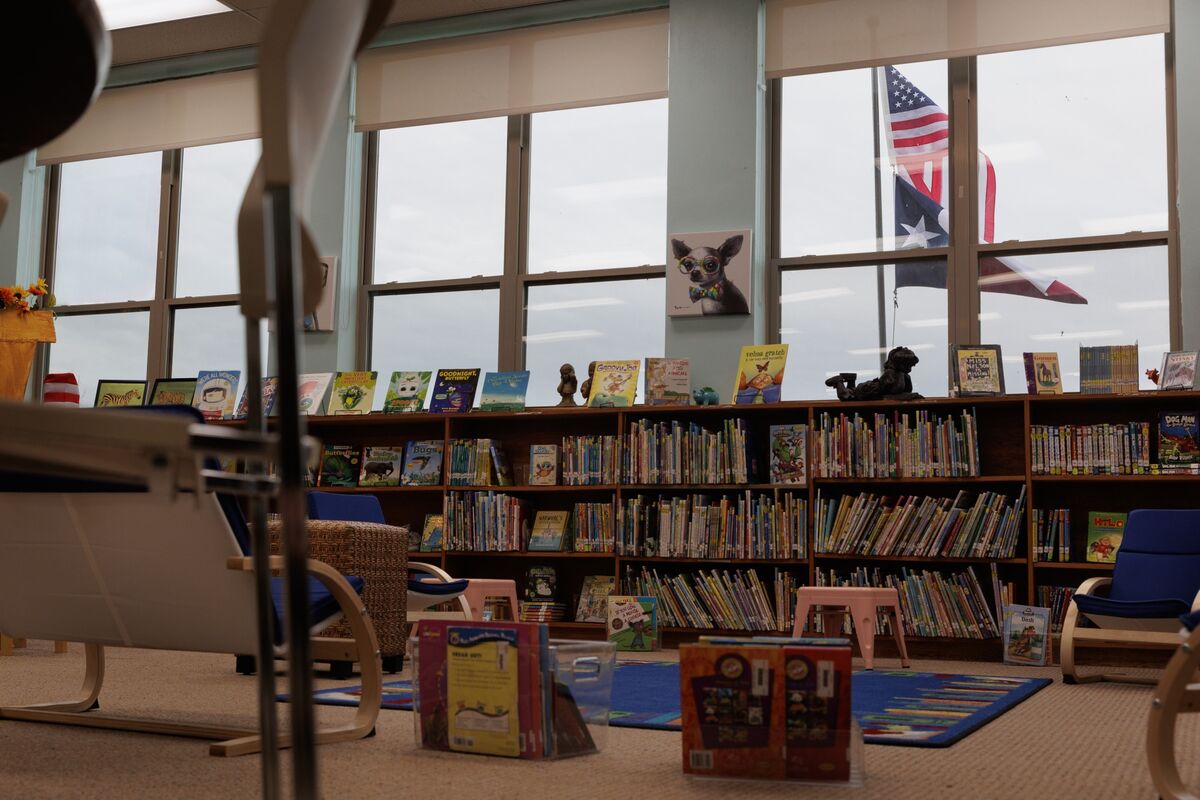
Budget shortfalls have left half of U.S. school districts in deficit, prompting cuts to materials and software spending. Loans tied to school-serving companies Houghton Mifflin Harcourt, Renaissance Learning and Lakeshore Learning Materials are trading in and out of distressed levels, pressuring their lenders.
Analysis
The key transmission is not simply weaker school-vendor sales: budget cuts can convert deferred purchasing into lower renewal rates, weaker cash conversion, and tighter loan-document headroom. For highly leveraged, K-12-concentrated suppliers such as Houghton Mifflin Harcourt, Renaissance Learning, and Lakeshore Learning Materials, lenders may price refinancing and recovery risk before reported earnings show the deterioration. The spillover risk is to other education vendors and their loan holders, but this is not evidence of sector-wide distress; diversified suppliers should be less exposed. The contrarian point: spending on core instruction or mandated services may prove stickier than discretionary materials and software, so distressed loan prices could overstate ultimate losses if cuts are temporary or vendors can reduce costs. Over the next 1–3 months, monitor district procurement/renewal data, company liquidity and covenant disclosures, and loan-price persistence; over 6–18 months, sustained deficits could force customer concentration and lower recurring revenue assumptions. A recovery in district budgets, stable renewals, or improving borrower liquidity would weaken the bearish case. Braskem’s reported progress toward a debt rework is a separate, potentially constructive credit catalyst, but the article provides no terms or confirmation of completion; do not treat it as evidence about school-sector credit.
AllMind Terminal
AI-powered research, real-time alerts, and portfolio analytics for institutional investors.
Request TrialMarket Sentiment
Overall Sentiment
mildly negative
Sentiment Score
-0.35
Ticker Sentiment
Key Decisions for Investors
- Avoid a broad education-sector short based on this signal alone. Put K-12-concentrated leveraged borrowers and their loans on a watchlist; require evidence of falling renewals, liquidity deterioration, or sustained distressed loan pricing before initiating issuer-specific shorts.
- For existing loan exposure to the named school-focused firms, stress-test recovery and refinancing assumptions against a prolonged procurement slowdown. Reassess if borrower disclosures show stable renewals and liquidity, or if district spending plans improve.
- Over the next 1–3 months, track district budgets and procurement, vendor renewal metrics, and loan prices. A rebound in renewals or a budget reversal would falsify the near-term deterioration thesis; further price weakness alongside worsening borrower metrics would strengthen it.
- Treat Braskem (BAK) as a separate event-driven credit watch, not a read-through from school spending. Verify restructuring terms, creditor support, and execution milestones before trading; the available report does not establish a completed deal or quantify recovery impact.
More News
- SK Hynix Posts Record Profit Amid AI Rush
- SK Hynix third-quarter profit sharply beats estimates on AI memory boost
- Anthropic's IPO could be 'speculative fiction' or a 'generational moment' — investors are split
- Anthropic Gives Traders a Pure-Play Bet on Frontier AI
- Analysis-Hold or sell? High Treasury yields spur US banks to rethink bond portfolios
- VCs will make billions on Anthropic’s IPO, but Amazon is set to make much (much) more