
Se inaugura el Toyota Battery Center of North America en el campus de I+D de Míchigan
Source: PR Newswire
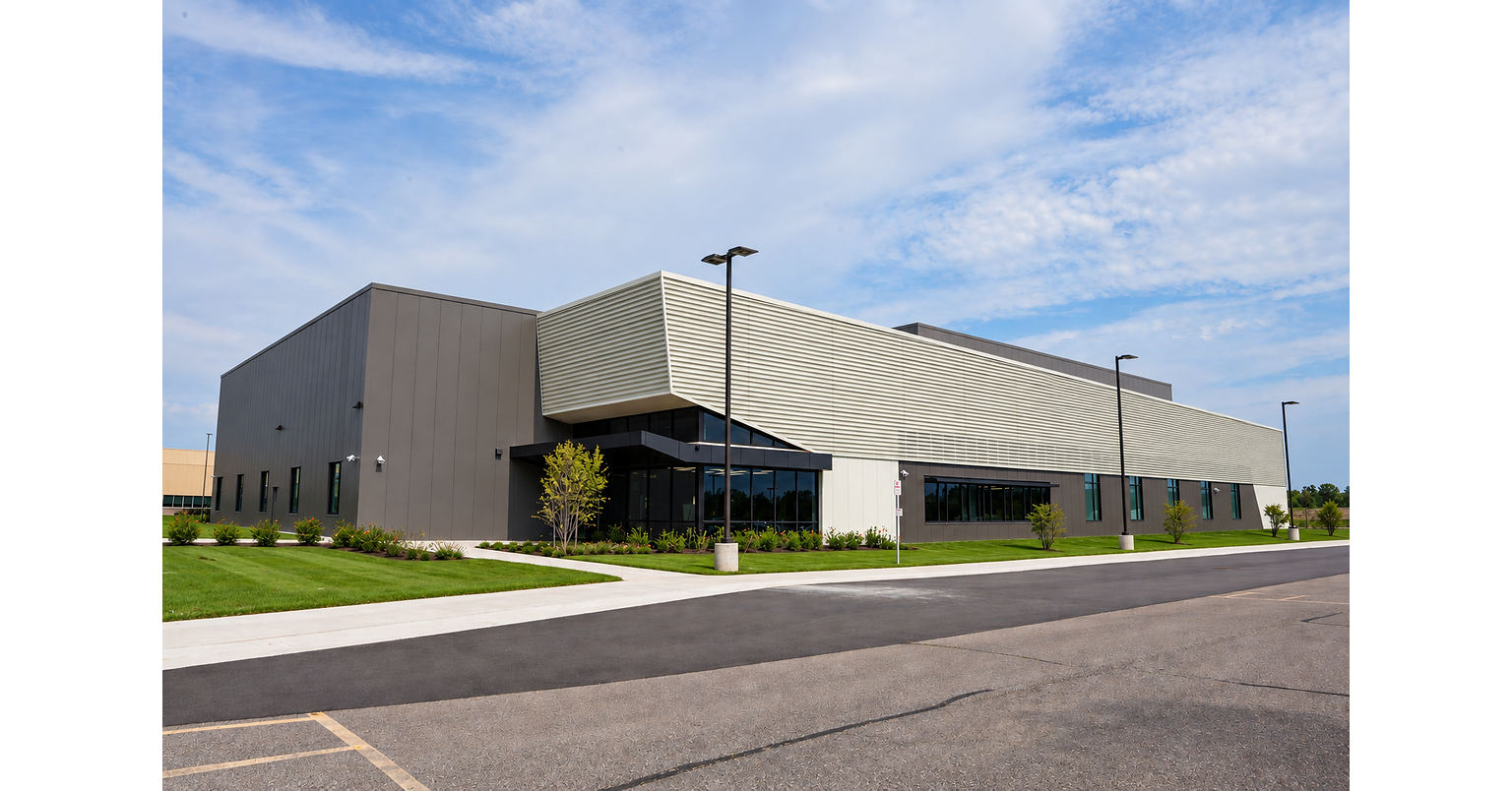
Toyota inaugurated its 30,000-square-foot Toyota Battery Center of North America in Saline, Michigan, expanding its ability to test and develop batteries from raw-material sourcing through customer applications and recycling. The facility will support Toyota Battery Manufacturing in North Carolina and vehicle plants across North America, with work spanning hybrid, plug-in hybrid, hydrogen and battery-electric vehicles. Toyota will also provide research access through a collaboration with the University of Michigan's Electric Vehicle Center, reinforcing its regional battery-engineering pipeline.
Analysis
The market impact is likely immaterial near term: this is a capability investment rather than a disclosed production, chemistry, cost, or volume commitment. For TM, the strategic value is lower warranty and field-failure risk, faster localization of pack validation, and tighter feedback loops with North American manufacturing. Those benefits matter over 6-18 months, but are unlikely to alter FY2027 earnings estimates absent evidence of improved battery sourcing costs, launch timing, or hybrid/BEV margins.
Toyota's multi-powertrain architecture creates a less obvious competitive advantage if U.S. EV demand remains uneven: shared regional battery-testing infrastructure can improve capital efficiency across hybrids, plug-ins and BEVs rather than requiring a pure-BEV bet. This supports TM relative to legacy peers with more concentrated EV product plans, including F and GM, whose near-term returns remain more sensitive to EV capacity utilization and incentive spending. Conversely, a sharp acceleration in BEV adoption would favor vertically integrated battery leaders such as TSLA and BYDDF unless Toyota translates testing capability into differentiated energy density, charging performance, or pack cost.
Treat the announcement as a watch item, not a standalone catalyst. The investable confirmation would be North American hybrid/plug-in mix gains coupled with stable automotive margins, reduced battery-related warranty provisions, and evidence that the North Carolina battery operation supplies programs on schedule. A meaningful upward revision to TM's North American capex or a deterioration in hybrid margins would falsify the capital-efficiency thesis.
AllMind Terminal
AI-powered research, real-time alerts, and portfolio analytics for institutional investors.
Request TrialMarket Sentiment
Overall Sentiment
mildly positive
Sentiment Score
0.38
Ticker Sentiment
Key Decisions for Investors
- No incremental TM position solely on this announcement; maintain existing exposure and reassess over the next 1-3 quarters after North American margin, warranty, and battery-plant ramp disclosures.
- For a 6-18 month relative-value expression, consider long TM / short GM in equal beta-adjusted notional: TM has a more diversified electrification earnings bridge, while GM remains more exposed to BEV utilization and incentive risk. Exit if GM demonstrates sustained EV gross-margin improvement or TM's North American operating margin falls below prior guidance.
- Monitor TM's next earnings release for battery capex, North Carolina production timing, and hybrid supply constraints. Upgrade the thesis only if management quantifies lower sourcing costs or incremental regional battery capacity without a disproportionate capex increase.
- Use TSLA as the clean hedge against a faster-than-expected U.S. BEV adoption cycle; if EV penetration or charging-policy support materially accelerates over the next 6-12 months, Toyota's multi-pathway advantage may lag pure-play scale economics.
More News
- GM reports 5.5% decline in third-quarter U.S. sales as EV sales drop
- Detroit Three automakers set to lose market share to Asian rivals
- What Twin Peaks and Coyote vs. Acme teach us about the value of what companies abandon
- Nike Warns Sales Slump Will Worsen This Fiscal Year
- US to send third aircraft carrier towards Iran: US official to Al Jazeera
- Nvidia Faces Questions Over China AI Chip Smuggling Cases