
XD THERMAL entwickelt integrierte Kühlarchitektur für europäische Elektrobus-Plattform
Source: PR Newswire
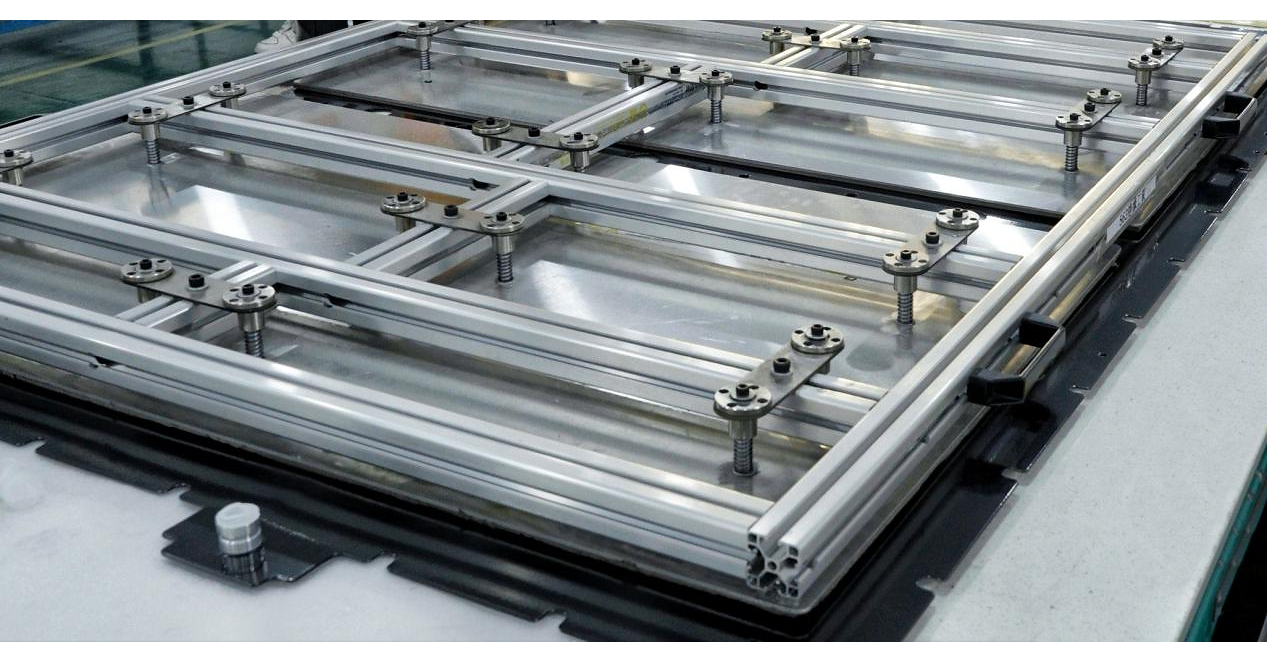
XD THERMAL meldet die Fertigstellung einer integrierten zweiseitigen Flüssigkeitskühlarchitektur für eine europäische Elektrobus-Plattform, inkl. Serienreife innerhalb von zwei Monaten. Durch die Integration der Kühlung in das Batteriegehäuse sollen kühlungsbezogene Komponenten um ca. 25% reduziert und mehrere Montageschritte vereinfacht werden; der Prototyp wurde nach etwa sechs Wochen ausgeliefert. Der Text betont zudem Produktions-/Validierungsfortschritte (Systemdichtheit per stufenweisen Luft- und Helium-Tests, maßgeschneiderte Beschichtungsprozesse) sowie die Skalierbarkeit für unterschiedliche Batteriepackgrößen und Fahrzeugplattformen.
Analysis
This reads more like a validation of the European e-bus supply chain’s industrialization curve than a standalone commercial win. The real economic benefit is not the thermal stack itself, but the reduction in part count, assembly touchpoints, and defect surface area; that tends to improve OEM gross margin and warranty accruals before it shows up in headline battery costs. If this architecture scales, the marginal winner is the platform owner with the best ability to lock in standardized packs across multiple chassis variants, while niche thermal-component vendors face content dilution over time.
The second-order effect is on supplier power. Integrated cooling inside the enclosure shifts value from discrete cold plates, seals, and mounting hardware toward design/IP and manufacturing process control, which favors incumbents already embedded in the program and disadvantages smaller aftermarket or point-solution suppliers. For public comps, that is a mild negative for thermal-management names exposed to commercial EVs (MOD, THRM) if the trend generalizes, but a modest positive for European truck/bus OEMs such as DTG.DE, VOLV-B.ST, and 8TRA.DE if they can replicate lower-cost packs and fewer failure points across fleets.
Near term, this is mostly an IAA narrative and should not be traded as if it were booked revenue. Over 1-3 months, the catalyst is whether the platform owner publicly names a serial-production contract or whether peers adopt similar designs; absent that, the signal is more about pipeline quality than P&L. Over 6-18 months, the structural bullish case is longer battery life and lower service intensity for fleet customers, which can accelerate fleet adoption if total cost of ownership falls enough to beat diesel replacement cycles.
Contrarian view: the market may be underestimating how hard thermal integration is to scale without yield problems. The leak-test and coating complexity imply that manufacturing consistency, not engineering elegance, is the bottleneck; if field failure rates or rework stay elevated, the expected cost savings can evaporate quickly. The thesis would be falsified by delayed SOP, higher warranty provisions, or any OEM commentary that pack-level integration raised capex or reduced serviceability.
AllMind Terminal
AI-powered research, real-time alerts, and portfolio analytics for institutional investors.
Request TrialMarket Sentiment
Overall Sentiment
mildly positive
Sentiment Score
0.15
Key Decisions for Investors
- No immediate directional trade on the press release alone; treat as a watch item until IAA or a named serial-production order confirms revenue conversion.
- If you want a relative-value expression, modestly long DTG.DE or VOLV-B.ST versus short MOD on a 1-3 month horizon: thesis is that integrated pack architecture compresses content for discrete thermal suppliers faster than it changes OEM pricing power.
- Use a catalyst alert on Traton (8TRA.DE) into the September IAA: any mention of standardized e-bus battery modules or lower pack assembly cost would support a 6-18 month rerating in commercial EV adoption assumptions.
- For a higher-conviction but lower-probability trade, buy near-dated calls on a European commercial-vehicle basket only if the market starts pricing multiple OEM references at IAA; otherwise the signal is too weak to pay theta.
- Falsifier watch: if the next quarter from any adjacent OEM shows higher battery warranty reserves, delayed SOP, or no mention of scalable production, take profits on any long EV commercial-vehicle exposure.
More News
- AI Capex, Gamble or Jackpot?: Market Snapshot
- ‘I told you so’: China’s chip sector is making breakthroughs—and U.S. export controls are the reasons why
- One Singapore ship was sunk, but here's why others are still transiting the Strait of Hormuz
- CoreWeave credit default swaps hit distress levels as investors sour on AI debt
- The IPO drought is driving private equity-owned companies to the debt market to pay investors
- Hybe shares jump 10% as K-pop sensation BTS' tour lifts earnings hopes
From AllMind Research
- Anthropic IPO Preview: Valuation, Timing, and What to Watch
- Shein After the IPO: Venue, Valuation, and What Must Be Proved
- What AI Research Tools Should a Small Hedge Fund Buy First?
- AllMind Fixed Income Compass for October 2025: Navigating Policy Divergence and Political Risk
- AI Equity Research Tools for RIAs and Wealth Managers