
South Texas Hurricane Deductible Explained In HelloNation Article Featuring Insurance Agent Doug Thompson
Source: PR Newswire
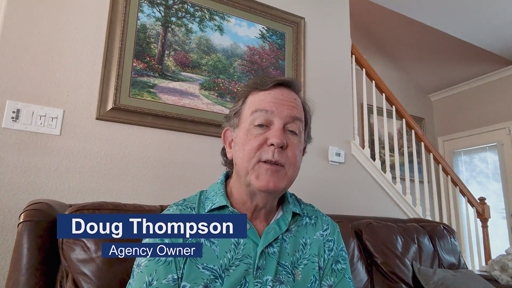
HelloNation outlined how percentage-based hurricane and windstorm deductibles can create substantial homeowner out-of-pocket costs in South Texas. A 2% deductible on a $200,000 insured home equals $4,000, while higher deductible percentages are common in coastal areas and may also apply to detached structures and personal-property coverage. The article advises homeowners to review policy terms, state windstorm-insurance requirements, coverage limits, and emergency-fund needs.
Analysis
This is low-signal promotional content rather than evidence of a change in loss costs, regulation, pricing, or carrier capacity; no immediate equity trade is warranted. The investable read-through is only indirect: percentage deductibles shift a larger share of smaller-to-moderate catastrophe losses from carriers to households, which can dampen claims frequency/severity for insurers while increasing post-storm discretionary-spending pressure in exposed coastal markets.
Over 1-3 months, the relevant catalyst is not deductible awareness but the next Texas wind event and subsequent Texas Windstorm Insurance Association (TWIA) loss estimate. A sizable event could expose a bifurcation: national personal-lines carriers with tighter underwriting and higher deductibles may preserve margins better, while regional/homeowners specialists face retention, regulatory, and reinsurance-renewal risk. Watch rate filings, non-renewal activity, and reinsurance pricing rather than treating this article as confirmation of improved insurer economics.
Over 6-18 months, rising insured home values mechanically raise absolute homeowner retentions even if deductible percentages stay flat. That may support insurers' attritional-loss margins, but affordability stress can increase underinsurance, policy lapses, and political pressure to constrain rate increases or expand state-backed residual-market capacity. The contrarian point is that deductible design is not a free margin lever: after a severe event, claims disputes and reputational/regulatory scrutiny can offset reduced paid losses.
Thesis falsification: evidence that Texas admitted-market premiums continue rising while TWIA exposure and reinsurance costs stabilize would favor the carrier-margin view; a major storm that drives TWIA assessments, emergency regulatory restrictions, or materially higher catastrophe reinsurance spreads would reverse it.
AllMind Terminal
AI-powered research, real-time alerts, and portfolio analytics for institutional investors.
Request TrialMarket Sentiment
Overall Sentiment
neutral
Sentiment Score
-0.10
Key Decisions for Investors
- No new position from this item alone; classify as a monitoring signal, not a catalyst.
- Set an event-driven alert on Texas landfall risk and TWIA loss estimates. If a material event occurs, evaluate a relative long in disciplined national personal-lines carriers such as ALL or CB versus more catastrophe-sensitive insurance exposure only after verified loss estimates and reinsurance recoverables are published.
- Monitor 2027 property-catastrophe reinsurance renewal commentary from RNR, AFG, ALL, and CB. A widening in reinsurance costs or adverse Texas regulatory action is a reason to avoid extrapolating deductible-driven margin resilience.
- For consumer spillover, watch South Texas home-improvement demand and credit delinquencies after a storm rather than pre-positioning. A deductible-funded repair burden could temporarily support repair volume but impair household discretionary spend; confirmation requires regional sales and credit data.
More News
- Nike Warns Sales Slump Will Worsen This Fiscal Year
- Google unveils latest AI model, but Wall Street wants a breakout personal agent
- Most Americans say US-Israel war on Iran not worth fighting: Poll
- Wilbur Ross was Trump’s first-term tariff hawk. Now he says refunds give importers ‘an extra profit’ and pay them ‘more than the money’ they laid out
- Russia launches massive strikes on Ukraine’s energy grid, forcing power cuts ahead of winter
- Nike's troubles are mounting, and sales could fall further
From AllMind Research
- Anthropic IPO Preview: Valuation, Timing, and What to Watch
- Shein After the IPO: Venue, Valuation, and What Must Be Proved
- What AI Research Tools Should a Small Hedge Fund Buy First?
- How to Write an Investment Memo with AI: A Decision-Record Template
- Best AI to Write Earnings Notes for Sell-Side Analysts