
Vermilion Energy: The 2028 Cash Flow Inflection Is Still Deeply Mispriced
Source: seekingalpha.com
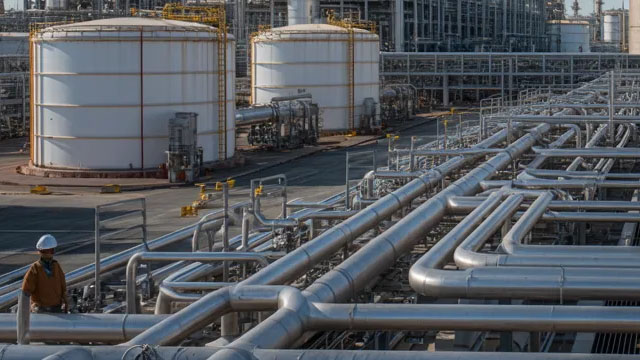
Vermilion Energy is characterized as a Strong Buy, trading at a deep discount while approaching a cash-flow inflection from ramping Montney and European projects. The company targets C$1.7B of excess free cash flow from 2026-2030 under realistic commodity-price assumptions, while production per share has risen 6% year-to-date and net debt is declining. A new buyback program and roughly 3% dividend are expected to reinforce shareholder returns.
Analysis
VET’s rerating case depends less on aggregate production growth than on proving that its capital mix can convert into durable per-share free cash flow while leverage declines. If execution holds, the market should begin valuing VET closer to Canadian gas-weighted peers such as ARX, TOU and BIR rather than assigning a persistent conglomerate/European-asset discount. The near-term catalyst is quarterly evidence that incremental Montney volumes carry lower sustaining capital intensity and that buybacks reduce the share count rather than merely offsetting stock compensation.
European gas exposure creates meaningful convexity but also makes the headline free-cash-flow outlook more commodity-sensitive than a simple North American peer comparison suggests. A colder 2026 winter, low European storage, or LNG supply disruptions could lift realized pricing and accelerate debt reduction; conversely, weak TTF pricing or wider AECO differentials would expose whether the projected cash generation is robust through a mid-cycle gas environment. The key verification item is not management’s cumulative cash-flow target, but quarterly realized prices, sustaining capex per boe, net-debt-to-funds-flow, and the percentage of cash return delivered through repurchases.
Consensus may be underweight the value of shrinking net debt before a formal capital-return step-up: each reduction in balance-sheet risk can lower VET’s equity risk premium and make its dividend/buyback framework more credible. But this is not a clean gas-beta trade—international operating complexity, currency translation and project ramp risk justify some discount. The thesis is falsified if production-per-share momentum reverses, all-in capital spending rises during the ramp, or net debt fails to decline despite supportive benchmark prices over the next two reporting periods.
AllMind Terminal
AI-powered research, real-time alerts, and portfolio analytics for institutional investors.
Request TrialMarket Sentiment
Overall Sentiment
moderately positive
Sentiment Score
0.68
Ticker Sentiment
Key Decisions for Investors
- Accumulate VET over the next 1-3 months on commodity-driven weakness, sized as a higher-volatility Canadian E&P position rather than a core dividend holding. Target a rerating toward the ARX/TOU free-cash-flow yield range only after two quarters of confirmed debt reduction and buyback execution; exit or reduce if net debt rises sequentially at stable commodity prices.
- Use a relative-value structure: long VET / short an equal beta-weighted basket of ARX and TOU for 6-12 months. The trade isolates potential closure of VET’s execution/valuation discount, but stop out if VET’s realized netback or production-per-share growth trails the peer basket for two consecutive quarters.
- For investors requiring defined downside, buy 6-9 month VET calls financed partially with out-of-the-money calls at a level consistent with a peer-multiple rerating, rather than chasing spot equity after a strong gas-price move. This expression benefits from operational confirmation and European gas upside while capping capital at risk; avoid if implied volatility already embeds a major TTF spike.
- Set an earnings watch item for sustaining capital, AECO and TTF realized-price differentials, and repurchase pace. A buyback authorization without meaningful retired shares, or capital intensity above management’s ramp assumptions, should be treated as evidence that the apparent free-cash-flow inflection is being deferred rather than realized.
More News
- Binance seeks to shore up confidence after record $6.3 billion heist
- As Trump eyes new attack, Iran vows to retaliate beyond the Mideast and target financial assets, while oil markets brace for generational damage
- Ryanair CEO warns fares could rise by up to 20% in 2027 as fuel bill jumps by $2.2 billion
- Why is Alstom stock down 27% today?
- Alstom shares sink 28% after outlook cut on Coradia Max execution issues
- Amgen (AMGN) Bets on MariTide to Crack $120 Billion Obesity Market