
Antioch Raises $32M to Bring Software Speed to Physical AI Development
Source: Newswire
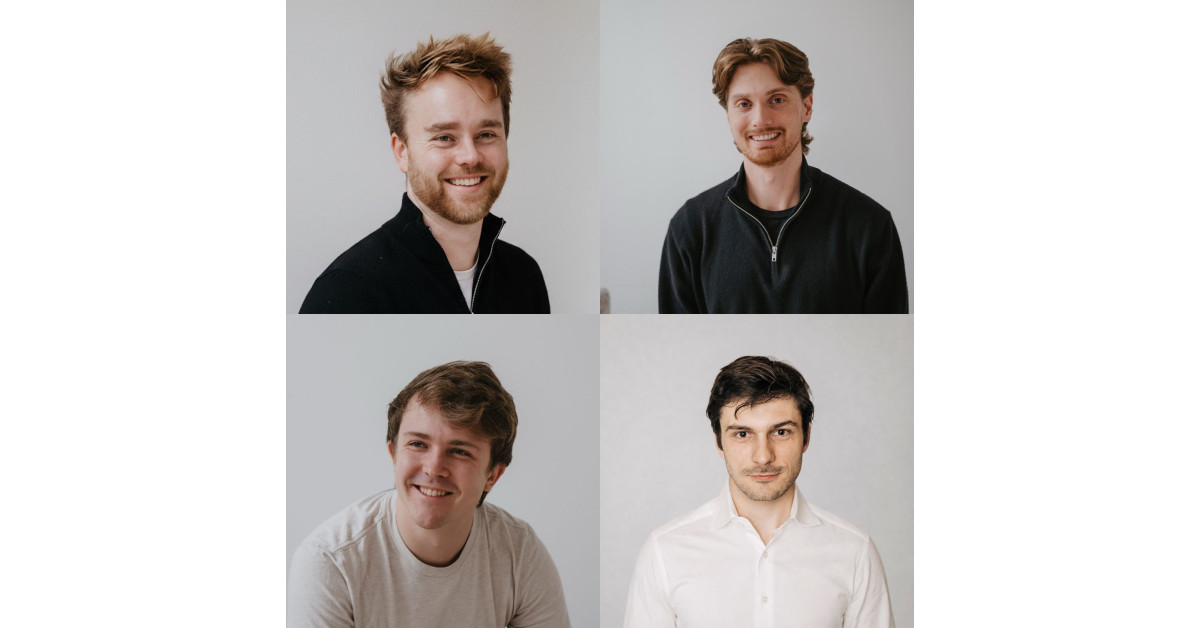
Antioch raised a $32 million Series A led by Greylock to expand its high-fidelity simulation platform for physical AI, robotics and autonomous-system development. The company says its platform enables thousands of parallel simulated tests calibrated to customers' hardware, reducing costly real-world validation and accelerating deployment. Antioch is working with Amazon Ring and partners including NVIDIA and Nebius; proceeds will fund product development, engineering hiring and expanded simulation capabilities.
Analysis
This is not a material earnings event for the public names, but it reinforces a higher-value use case for accelerated compute: simulation workloads are iterative, bursty, and capable of consuming substantially more GPU-hours than a single production inference deployment. NVDA benefits if high-fidelity robotics validation shifts from on-premise engineering workstations toward cloud-scale parallel evaluation; the more important read-through is to recurring software-and-compute utilization rather than near-term hardware unit demand. AMZN's involvement is strategically useful validation, but its financial exposure is de minimis absent evidence that simulation becomes embedded across AWS robotics, logistics, or Ring product-development workflows.
NBIS has the clearest incremental narrative sensitivity because physical-AI customers need elastic GPU capacity before they have predictable production volumes. The risk is that these workloads are highly price-sensitive and can be intermittent; a partnership logo does not establish committed capacity, utilization, or durable gross margin. Over 6-18 months, credible sim-to-real tooling could pressure incumbent engineering-software vendors with fragmented workflows—Dassault Systemes (DSY FP), Siemens (SIE GR), and Synopsys (SNPS, following Ansys integration)—but only if customers standardize on a developer-centric platform rather than retain simulation as a domain-specific toolchain.
The consensus risk is assuming more simulation automatically means more cloud GPU spend. Better calibration can reduce failed physical tests, but it may also consolidate experimentation into fewer, higher-quality runs; GPU demand depends on the number of scenarios required per safety case and the frequency of model updates. The key falsifier for the infrastructure thesis is evidence over the next two quarters that physical-AI customers continue favoring internal clusters or hyperscalers, while NBIS fails to disclose sustained contracted GPU capacity, backlog conversion, or improving utilization.
AllMind Terminal
AI-powered research, real-time alerts, and portfolio analytics for institutional investors.
Request TrialMarket Sentiment
Overall Sentiment
moderately positive
Sentiment Score
0.62
Ticker Sentiment
Key Decisions for Investors
- No standalone trade in AMZN, META, PLTR, TSLA, or BOX from this announcement; the disclosed connections are strategically interesting but not sufficiently tied to revenue, procurement, or guidance.
- Maintain/consider a 6-12 month tactical long NBIS only on confirmation of contracted physical-AI capacity or rising utilization at the next earnings update. Target a 2:1 payoff framework; exit if management shows partnership activity without backlog conversion, or if gross-margin guidance weakens from price competition.
- Maintain NVDA as the cleaner liquid beneficiary, but do not chase on this news. Add on broad AI-infrastructure pullbacks rather than partnership headlines; monitor robotics/simulation software adoption as a 2027+ incremental GPU-demand vector, not a near-term revenue driver.
- Create a watchlist pair: long NVDA / short a basket of legacy simulation incumbents (DSY FP, SIE GR) only after independently verifiable customer migration or pricing pressure emerges. The trade is premature today because incumbent platforms retain embedded workflows, certification history, and enterprise distribution.
More News
- Next week brings major risks for the stock market, just as the AI trade keeps faltering
- CrowdStrike CEO's alarming prediction — plus, the sell-off spreads beyond tech
- With earnings in rearview mirror, SpaceX-Tesla merger chatter takes center stage
- It’s another horrible day in the markets, and the usual suspects are to blame: AI, oil, and the French
- AI agents could disrupt bank deposits. Why Wall Street may be overreacting
- On the ground at Nvidia GTC Berlin: Jensen Huang, robot ducks and neocloud distress