
In HelloNation, Insurance Agent Ben Feller Explains Wind and Water Deductibles in Homeowners Insurance
Source: PR Newswire
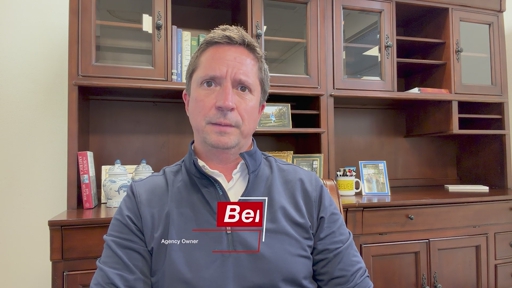
A HelloNation article featuring St. Petersburg insurance agent Ben Feller explains how homeowners' wind and water deductibles, coverage limits, and optional endorsements affect storm-related claims. For example, a $400,000 home with a 2% wind deductible would require the homeowner to pay $8,000 before coverage begins; typical policies generally exclude flood damage, which requires separate insurance. The piece is educational and reports no company results or market reaction.
Analysis
This is consumer-education content, not evidence of a change in policy terms, claims experience, or insurer pricing; it carries little standalone information for public markets. The relevant mechanism is risk retention: higher percentage-based deductibles and coverage caps can reduce an insurer’s payout on some losses while transferring more post-storm liquidity risk to homeowners. If that burden increasingly affects affordability or mortgageability, the second-order exposure could reach Florida home sales, repair demand, and mortgage performance—but this article does not establish that such effects are accelerating.
Near term, no clear catalyst or security-specific earnings revision follows. Over 1–3 months, monitor Florida renewal pricing, nonrenewals, policy availability, and regulator actions after storm events; those are more informative than general guidance. Over 6–18 months, repeated increases in household out-of-pocket exposure could widen the gap between nominal property values and insurable protection, potentially weighing on coastal housing liquidity. Conversely, a benign storm season, stabilizing reinsurance costs, or improved market capacity could ease pressure. The contrarian point: deductible design can cushion insurer loss severity, but it does not eliminate catastrophe exposure; it may instead shift losses into household balance sheets and local credit conditions. No independent company-specific financial impact is supplied.
AllMind Terminal
AI-powered research, real-time alerts, and portfolio analytics for institutional investors.
Request TrialMarket Sentiment
Overall Sentiment
neutral
Sentiment Score
0.00
Key Decisions for Investors
- No trade on this article alone. Treat it as low-signal, general insurance education rather than a catalyst for insurers, reinsurers, or housing securities.
- Monitor Florida homeowners’ renewal premiums, nonrenewal rates, and policy availability, alongside insurer filings and regulator actions; consider exposure only if these show a measurable trend rather than relying on anecdotal content.
- After a major storm, watch claims severity and insurer/reinsurer guidance as well as local home-sale activity and mortgage delinquencies. A sustained deterioration would support reassessing Florida property and credit exposure; stable metrics would weaken that thesis.
- Falsifiers for a broader household-risk thesis include improving insurance availability and affordability, stable or falling renewal costs, and no deterioration in housing liquidity or mortgage performance.
More News
- CH Robinson to Buy RXO for $5.8B in Bet on AI Model
- Nike’s China troubles: What are the implications for other sportswear brands?
- SpaceX stock climbs to highest since June, returning Musk to trillionaire status
- Schneider Electric drops $22.6B on PTC as datacenter boom rains money on infra companies
- Wells Fargo gets a bold upgrade ahead of earnings. Why the stock can play catch-up
- Why did Mattel stock surge 5% today?
From AllMind Research
- Anthropic IPO Preview: Valuation, Timing, and What to Watch
- Shein After the IPO: Venue, Valuation, and What Must Be Proved
- What AI Research Tools Should a Small Hedge Fund Buy First?
- AlphaSense Pricing: What Public Contract Data Shows in 2026
- Eli Lilly Q4 2025 Earnings: Revenue Surges 43% as Mounjaro and Zepbound Dominate the GLP-1 Market