
Bessent’s Economic D-Day Comes for Struggling Iranian Families
Source: Bloomberg
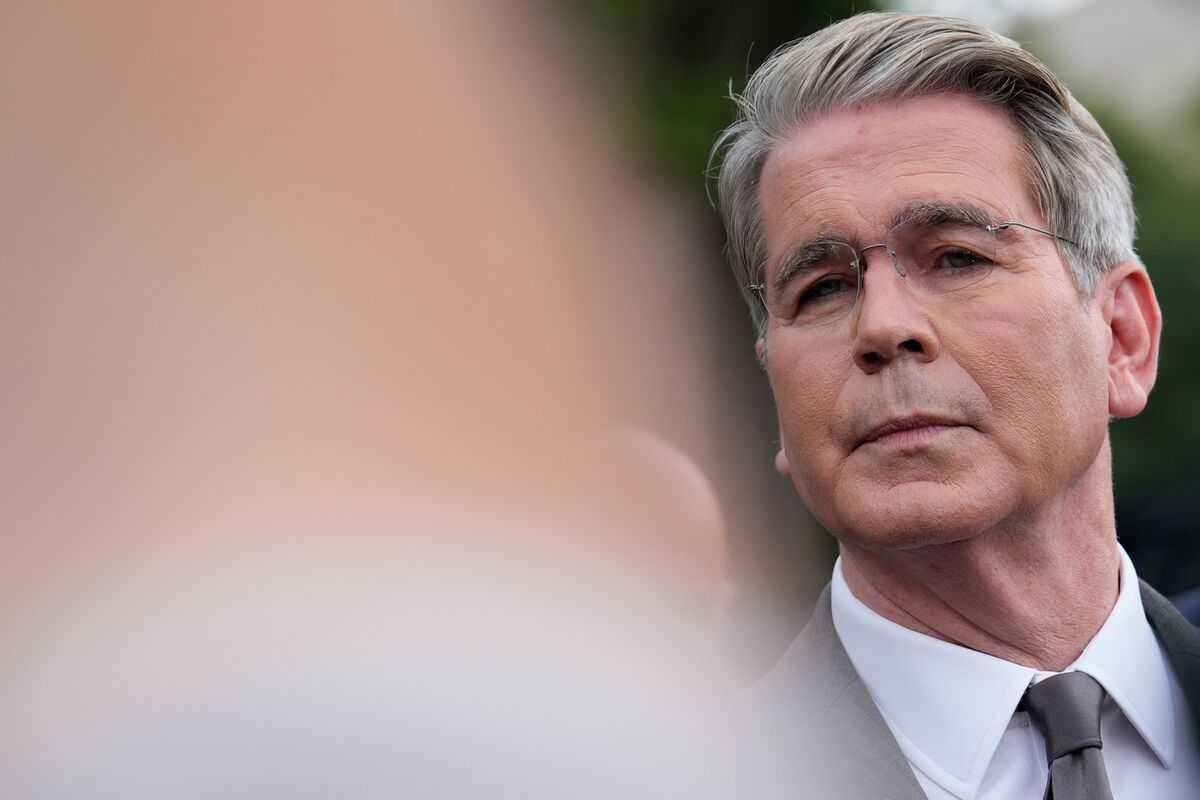
The article highlights Scott Bessent’s “economic D-Day” strategy against Iran, noting that while sanctions target Iran’s leaders, ordinary families are already facing hardship. It also points to scrutiny over why additional advertised sanctions have not yet been imposed, suggesting uncertainty in timing/intensity. Overall, the piece frames the policy effort as uneven and cautionary, with potential near-term downside risk for Iran-exposure markets.
Analysis
This reads more like a signaling event than a completed supply shock. Markets usually pay up for sanctions only when enforcement credibly reaches the financial plumbing: shipping insurance, dollar clearing, and third-country intermediaries. Until then, the likely winner is volatility itself, not a durable directional move in crude or energy equities.
The first-order beneficiaries, if policy hardens, are upstream energy and sanctions-sensitive shipping names; the bigger second-order winner is any asset that gains from a higher geopolitical risk premium and tighter physical barrels. The loser set is broader than Iran: emerging-market importers, airlines, and transport-sensitive industrials feel the cost immediately if crude and freight rates rise, but that only matters if enforcement actually reduces export flows rather than just changing headlines.
The contrarian point is that the market may be overpricing near-term coercive power. Iran’s shadow-export network is resilient, and unless the US coordinates secondary sanctions with allies, the effect is often a rerating of risk premium rather than a meaningful reduction in supply. That makes the catalyst path asymmetric: days of headline volatility, 1-3 months for any visible export disruption, and 6-18 months before you’d expect structural rerouting or margin effects to persist.
What would falsify a bearish-noisy-thesis is a clear step-up in OFAC enforcement: named banks, insurers, or shipping facilitators getting hit, followed by a sustained move in freight and crude structure. Absent that, the right reaction is to fade reflexive geopolitical beta rather than chase it.
AllMind Terminal
AI-powered research, real-time alerts, and portfolio analytics for institutional investors.
Request TrialMarket Sentiment
Overall Sentiment
mildly negative
Sentiment Score
-0.25
Key Decisions for Investors
- No immediate directional trade on the rhetoric alone; wait for verifiable enforcement actions before taking geopolitical beta in XLE or USO.
- If Treasury rolls out secondary sanctions on shipping/insurance, buy XLE or XOP on the first pullback; the cleaner expression is XOP for higher operating leverage to tighter supply.
- For a more convex expression, buy short-dated call spreads on USO only after evidence of export disruption; risk/reward is better than paying up into the headline.
- If sanctions remain rhetorical and crude fails to hold higher for 1-2 weeks, fade the move with put spreads on USO or XLE; this is a headline-premium trade, not a structural oil bull case.
- Watch tanker names like FRO or STNG for a delayed beneficiary only if enforcement tightens; otherwise treat any pop as temporary and lower-conviction than upstream energy.
More News
- Proxy Wars Threaten to Engulf Ethiopia
- Trump says US will not strike Iran before midterm elections
- US suspends Microsoft and seven other firms from green card programme
- Oil Falls as Trump Says US Will Not Attack Iran Before Midterms
- Treasury yields steady as Trump strikes diplomatic tone on Iran ahead of midterms
- OpenAI Sees $70B Revenue; Airtel Money Seeks Biggest UK IPO Since 2021