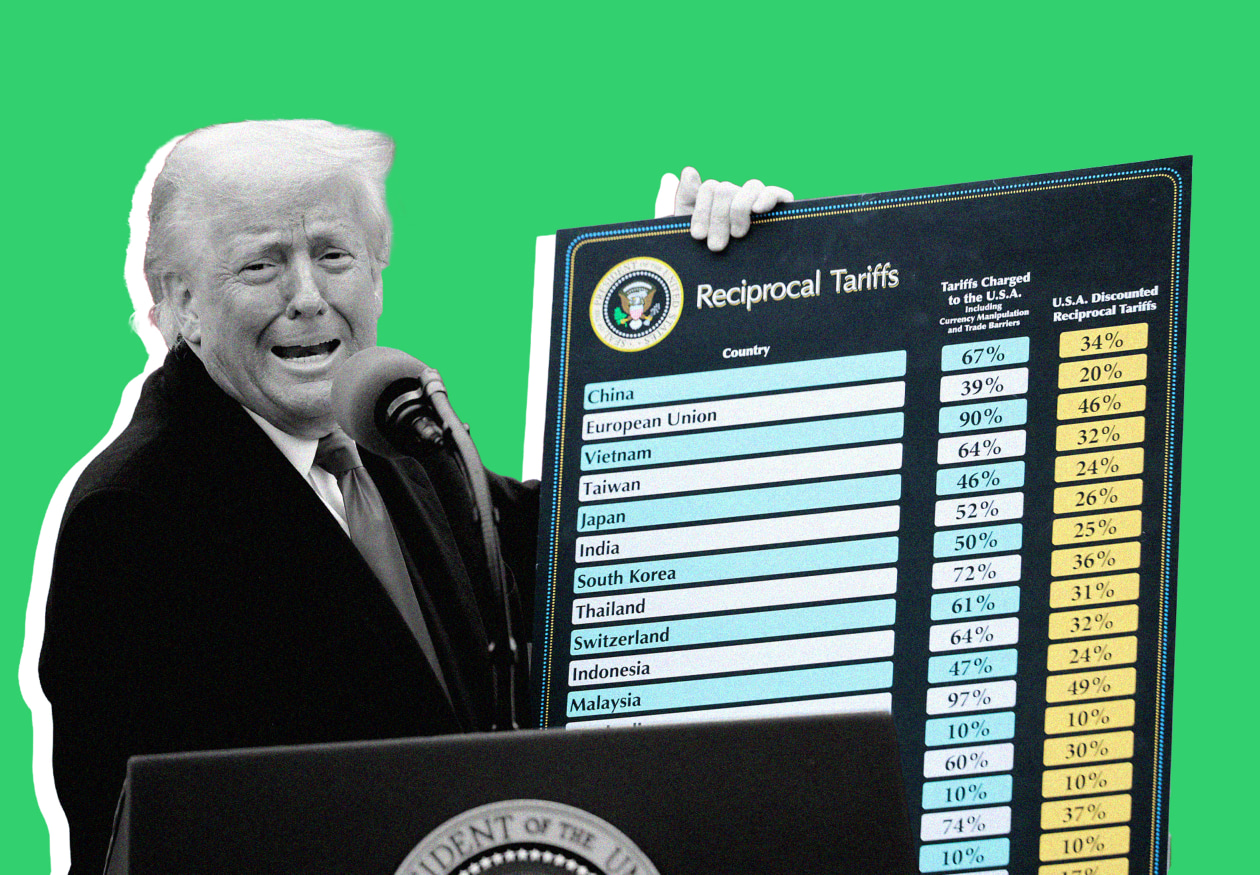
Markets are bracing for a fresh round of Trump tariffs this week, with the prior 10% global tariff imposed for 150 days in February nearing expiry. The administration is reportedly considering using Section 301 of the Trade Act of 1974 to keep tariffs in place after the Feb window ends, following the Supreme Court’s rejection of an alternative emergency powers route. This raises renewed risk of higher import costs and supply-chain disruption, likely weighing on sentiment despite no specified new rate yet.
The key market issue is not the existence of tariffs, but whether this becomes a second derivative cost shock or just a legal rerun. If the new measures simply preserve the status quo, the immediate equity reaction should be modest; the real signal is any expansion in product scope, fewer exemptions, or faster enforcement, which would force importers to reprice margins within 1-2 quarters.
The clearest losers are import-heavy retailers, consumer discretionary names, and lower-margin industrials with limited pricing power. The second-order effect is inventory behavior: firms likely front-load purchases ahead of implementation, which temporarily boosts freight, ports, and working capital needs but sets up a margin air pocket later as higher-cost inventory clears. Domestic substitution beneficiaries are narrower than headlines imply; only companies with true tariff shelter and local capacity can capture incremental share, so the upside in protected manufacturers is usually slower and more selective than the downside in importers.
Contrarianly, the market may be underestimating how little a repeated tariff renewal changes if supply chains have already been partially re-routed over the last few years. That argues for a more muted medium-term multiple impact than in 2018, unless retaliation broadens into autos, machinery, or consumer electronics. The thesis breaks if the administration signals carve-outs, phased rollouts, or if retailers absorb the cost without cutting guidance in the next earnings season.
AI-powered research, real-time alerts, and portfolio analytics for institutional investors.
Overall Sentiment
mildly negative
Sentiment Score
-0.30
