
YUZAWA SNOW LINK, qui relie trois stations de ski, ouvrira le 26 décembre pour la saison d'hiver 2026-2027
Source: PR Newswire
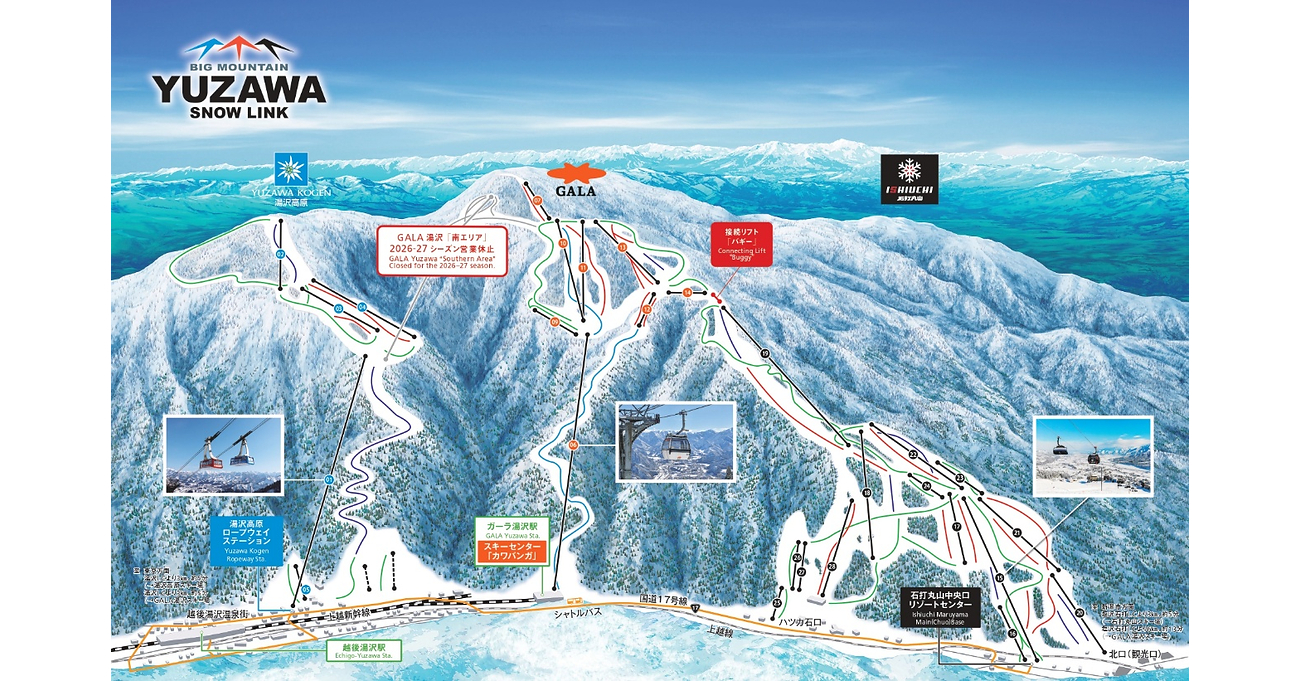
YUZAWA SNOW LINK will open on December 26, 2026, for the 2026–2027 winter season, linking three ski resorts in Niigata with a combined 45 slopes. The area is accessible from Tokyo in 71 minutes by Joetsu Shinkansen and also promotes local hot springs, food and sake.
Analysis
The announcement is destination marketing, not evidence of new lift capacity or a material change in the region’s economics. Any incremental benefit is more likely to accrue to local lodging, rentals, restaurants and hot-spring businesses than to a listed operator; the multi-resort offer could also shift visits toward Yuzawa from competing Japanese ski areas rather than expand total ski demand. The Shinkansen link is a potential demand enabler for JR East, but this single seasonal promotion is unlikely to be financially material absent evidence of higher passenger volumes or pricing.
Near term, the opening date is a booking and sentiment catalyst, not an earnings catalyst. Through the season, snowfall, operating days, visitor mix, room availability and spend per visitor will determine whether traffic converts into revenue. A weak snowpack, transport disruption, or yen appreciation that reduces inbound affordability could overwhelm the promotional effect. Over 6–18 months, sustained growth in inbound and domestic ski travel could support local tourism investment, but the release provides no booking, capacity, or revenue data to establish that trend.
Contrarian read: the accessible day-trip format may lift skier counts without a comparable increase in overnight stays or local spend, limiting the economic multiplier. There is no defensible single-name trade from this announcement alone.
AllMind Terminal
AI-powered research, real-time alerts, and portfolio analytics for institutional investors.
Request TrialMarket Sentiment
Overall Sentiment
neutral
Sentiment Score
0.05
Key Decisions for Investors
- No trade on the release alone; the relevant resort businesses are not identified as listed entities, and no incremental financial impact is quantified.
- Treat JR East as a watch item, not a recommendation: look for route-level winter passenger data or management commentary before attributing meaningful benefit to the Shinkansen connection.
- Monitor snowfall and operating-day updates, advance bookings, lodging occupancy and visitor spending during the 2026–27 season; these would test whether promotion converts into incremental local revenue.
- Reassess only if evidence shows sustained visitor growth without displacement from other destinations; a poor snow season, weak bookings, or transport disruption would falsify the demand-upside case.
More News
- FedEx's soft holiday-quarter outlook doesn't change our view on the stock
- FedEx beats expectations, raises outlook in first report since calendar adjustment
- We're adding a new, high-profile AI play to our Bullpen stocks to watch list
- Foreign gadget bans: all the news about the FCC’s clampdown on Chinese tech
- DoorDash's deal to buy Instacart coming as early as Thursday morning, sources tell CNBC
- America's largest budget airline reports 71% jump in airfare