
Innovation Beyond Installation: Zephyr HyperCore™ Induction Cooktop Introduces New Software
Source: PR Newswire
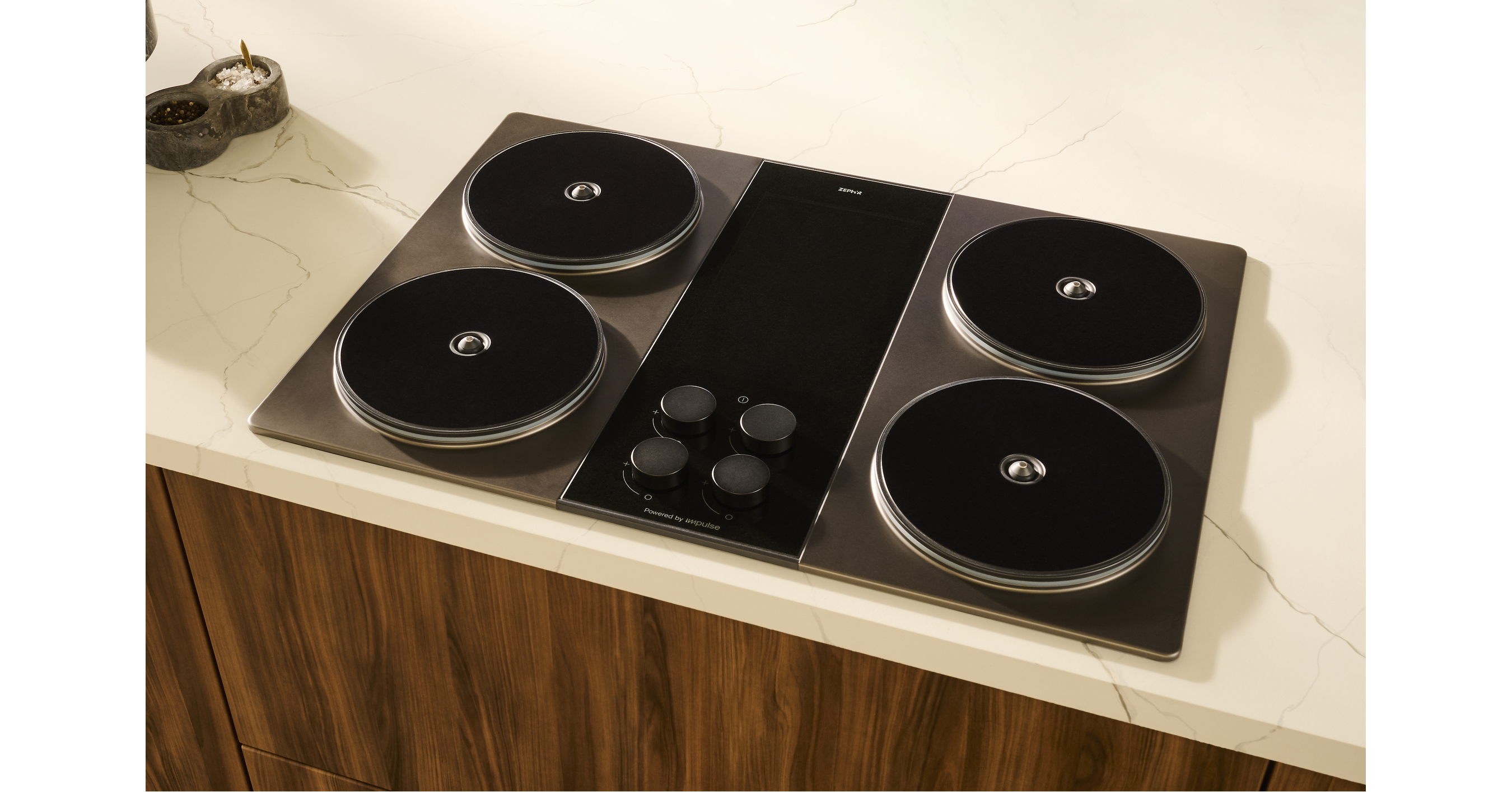
Zephyr introduced an over-the-air software update for its Wi-Fi-connected HyperCore Induction Cooktop, adding dedicated timers for each of its four heating elements, a redesigned system-information bar, and improved access to cooking and appliance data. The update reinforces HyperCore's post-installation feature-upgrade capability, while the product line is now offered in 30-inch and recently introduced 36-inch formats. The announcement is an incremental product-enhancement update with limited expected impact on Madison Air (NYSE: MAIR).
Analysis
This is strategically supportive of MAIR's residential-appliance positioning but immaterial to near-term earnings without evidence of HyperCore unit volumes, realized price premiums, or attachment rates through kitchen-design and builder channels. The feature set is largely table stakes for connected consumer hardware; its value is less the update itself than whether it reduces service calls and warranty costs while giving Zephyr a platform to introduce paid or differentiating functionality over time. Management should be pressed for installed-base connectivity rates, return rates, gross-margin progression, and the incremental bill-of-materials cost of the battery-enabled architecture.
The more relevant competitive implication is channel differentiation against premium induction offerings from Whirlpool (WHR), GE Appliances/Haier (private), Bosch (private), Electrolux (ELUXY) and Miele (private), especially where electrical-upgrade constraints limit adoption. If the standard-outlet installation proposition is credible at scale, it can expand the addressable replacement market and favor specialty kitchen dealers and remodelers; if not, the battery adds complexity, replacement liability, and potential warranty-tail risk. Near-term, this is unlikely to alter MAIR valuation given its commercial HVAC and air-quality exposure dominates the equity narrative.
Contrarian view: connected-appliance features can create a negative rather than positive margin surprise if cybersecurity support, cloud costs, and software-maintenance obligations persist long after hardware revenue is recognized. A meaningful thesis requires proof that Zephyr can convert software-enabled differentiation into higher ASPs or materially lower field-service expense within 6-18 months; absent that, treat this as brand maintenance rather than a growth catalyst.
AllMind Terminal
AI-powered research, real-time alerts, and portfolio analytics for institutional investors.
Request TrialMarket Sentiment
Overall Sentiment
mildly positive
Sentiment Score
0.28
Ticker Sentiment
Key Decisions for Investors
- No standalone MAIR trade on this release; maintain existing exposure only if core HVAC/data-center cooling estimates remain intact. Reassess after the next earnings call for disclosed residential revenue growth, Zephyr margin contribution, and HyperCore sell-through.
- Create a MAIR watch alert: upgrade the residential optionality thesis only if management identifies measurable HyperCore distribution expansion or reports connected-product adoption above 50% of shipped units, alongside stable consolidated gross margin.
- For a relative-value expression, monitor MAIR versus WHR over the next 1-3 months rather than initiating immediately: go long MAIR/short WHR only if premium-induction channel checks show Zephyr gaining dealer placement without promotional discounting. Falsifier: MAIR residential margins weaken or WHR reports improving North American appliance pricing.
- Watch for battery-related recalls, warranty reserves, cybersecurity disclosures, or dealer feedback on installation complexity over 6-18 months; any of these would invalidate the low-service-cost upside and argue for reducing MAIR exposure.
More News
- This AI-picked stock jumps 18% on Amazon’s $8 billion power deal
- Asian stocks rise as oil retreat eases inflation fears, BOJ in focus
- How record diesel prices will rip through the U.S. economy. Trucks and rails are only the start
- Crusoe raises $3.9B to build massive data centers and small modular “AI factories”
- Jensen Huang says Nvidia will sell twice as many chips next year
- Waymo to launch robotaxis in Singapore, its first Southeast Asia market, by 2028