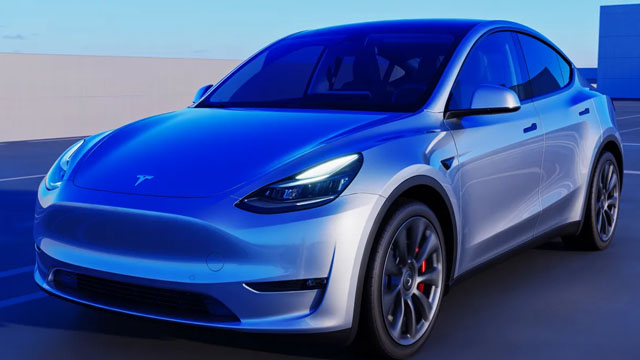
Tesla announced a new in-car software update this summer that expands its Grok AI assistant to make phone calls, play music, control cabin climate, and open the glovebox by voice. The update also adds self-driving stats viewing/sharing in the mobile app and improves Navigation with routine destination suggestions and route prioritization based on prior driver behavior.
This is best viewed as a retention and engagement upgrade, not a near-term earnings driver. The economic value comes only if the interface improvements increase daily usage, which then lifts paid software attach, subscription persistence, or resale perception; otherwise it is mostly a product polish event with limited P&L impact this quarter.
The second-order effect is that Tesla keeps internalizing more of the in-car interface stack, which raises switching costs versus legacy OEMs whose voice and navigation layers remain fragmented. That creates pressure on the software middleware ecosystem and on automakers that still rely on third-party infotainment/assistant vendors; over 6-18 months, the real payoff would be better autonomy data, more route/behavior telemetry, and potentially stronger FSD conversion, but that needs proof in app activity and take rates.
The contrarian risk is that the market may be overpricing the "AI" label. A voice assistant that opens doors and routes to habitual destinations is a UX feature, not a monetization breakthrough, and the stock can easily outrun the underlying revenue delta on headlines like this. The thesis is falsified if the next two quarters show no improvement in software revenue mix, FSD subscription conversion, or user engagement metrics, or if broader EV demand weakens enough to overwhelm any product halo.
AI-powered research, real-time alerts, and portfolio analytics for institutional investors.
Overall Sentiment
mildly positive
Sentiment Score
0.25
Ticker Sentiment
