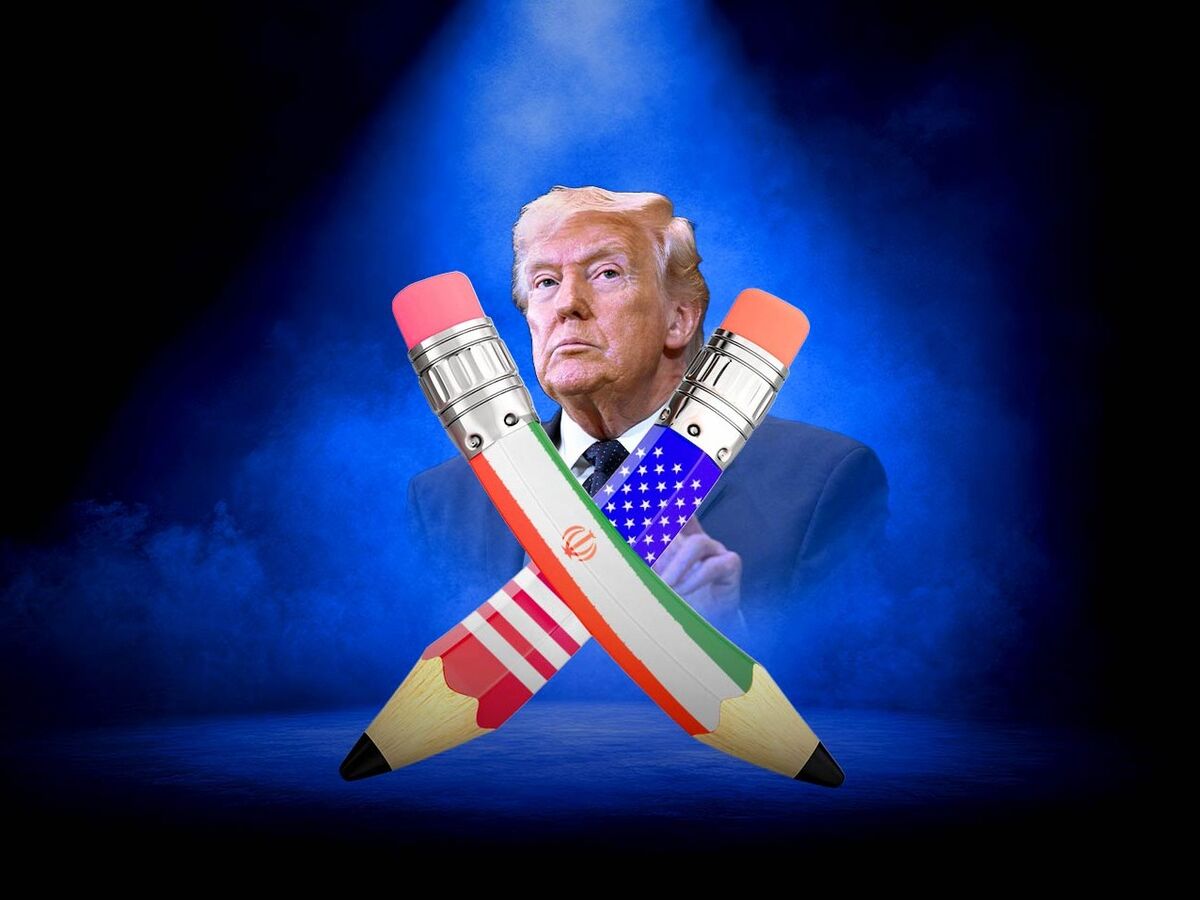
Trump said the US has “no interest” in Iran talks until Tehran engages “in a meaningful way,” while Gulf allies reportedly grow frustrated as the conflict has cost Washington about $37.5B. Heightened regional risk is spilling into shipping, with Houthi emails warning shipowners against calling at Saudi ports, raising concerns for supply chains and potential energy-price pressures.
The actionable signal is not the diplomatic headline; it is the probability that the Gulf security premium stays embedded longer than consensus expects. A stalled off-ramp keeps crude, freight, and marine insurance bid, which is a cleaner near-term trade than trying to handicap formal negotiations. The Houthi warning to shipowners raises the odds of route changes and higher demurrage, which flows through first to tanker economics and then to Gulf-linked industrial supply chains.
Second-order losers are airlines, transport-heavy industrials, and any GCC-exposed infrastructure names that rely on frictionless port throughput. Beneficiaries are upstream energy, tankers, and defense/electronic-warfare suppliers if Gulf states respond by accelerating procurement; those budgets can expand even if the fighting itself does not intensify. The market is likely underpricing how quickly insurance and working-capital costs rise once operators re-optimize routes, even before earnings revisions show up.
Contrarian view: this may still be mostly a headline risk rather than a durable commodity bull case. If there is any verifiable back-channel engagement or if vessels keep transiting without a major incident, the premium can unwind in days, not months. The more durable effect is structural: higher operating costs for Gulf commerce and a persistent drag on regional multiples, but that is a 6-18 month story rather than an immediate equity catalyst.
AI-powered research, real-time alerts, and portfolio analytics for institutional investors.
Request TrialOverall Sentiment
mildly negative
Sentiment Score
-0.35
Ticker Sentiment
