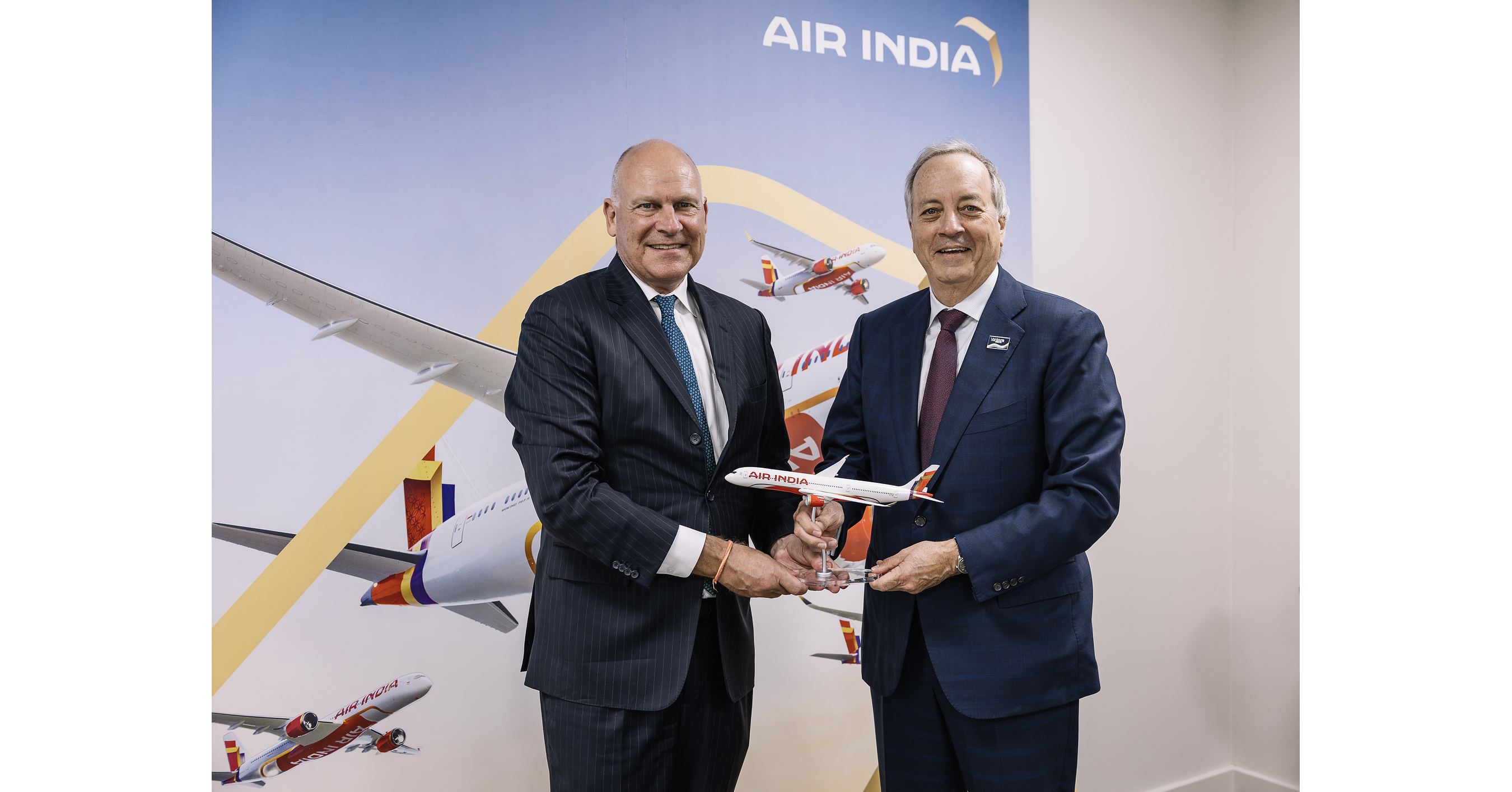
Air India will move its JFK operations from Terminal 4 to the new Terminal 6 starting in 2028, aligning with multiple Star Alliance partners that have already selected T6. The airline will also open its first North America flagship Maharaja Lounge at JFK T6 (9,100 sq ft) and continue daily nonstop JFK services to Delhi and Mumbai until the planned move. Terminal 6 is part of the Port Authority’s $19 billion JFK expansion, with the first gates opening in 2026 and completion targeted for 2028.
This is more a long-dated network-planning signal than a near-term earnings catalyst. The only durable economic value is in route stickiness and premium mix: same-terminal alliance clustering can reduce connection friction, improve misconnect rates, and modestly support higher-yield itineraries, but that benefit accrues over years and only if schedule banks and premium demand actually materialize.
The clearest incremental beneficiary is AC.TO, because alliance adjacency at JFK improves its feed economics at the margin and strengthens its competitive position versus non-alliance carriers competing for India-U.S. premium traffic. The second-order loser is not a single airline so much as any carrier relying on fragmented transfers at JFK; over time, more consolidated alliance flows can pressure pricing for non-aligned international connectors, especially if corporate travelers value convenience over raw fare.
The contrarian issue is timing: the market should not pay up today for something that lands in 2028 unless there is evidence that the terminal build stays on schedule and Air India’s premium rebuild holds. If traffic growth or premium yields soften, the lounge and terminal upgrade become branding rather than P&L. Falsifiers are straightforward: construction slippage, weaker India-U.S. load factors, or a reversal in premium cabin share over the next 12-24 months.
AI-powered research, real-time alerts, and portfolio analytics for institutional investors.
Overall Sentiment
mildly positive
Sentiment Score
0.20
Ticker Sentiment
