
Carl's Jr.® Ignites Burger Revolution with Cooked-to-Order burgers and its first hero LTO "Angus Maximus"
Source: PR Newswire
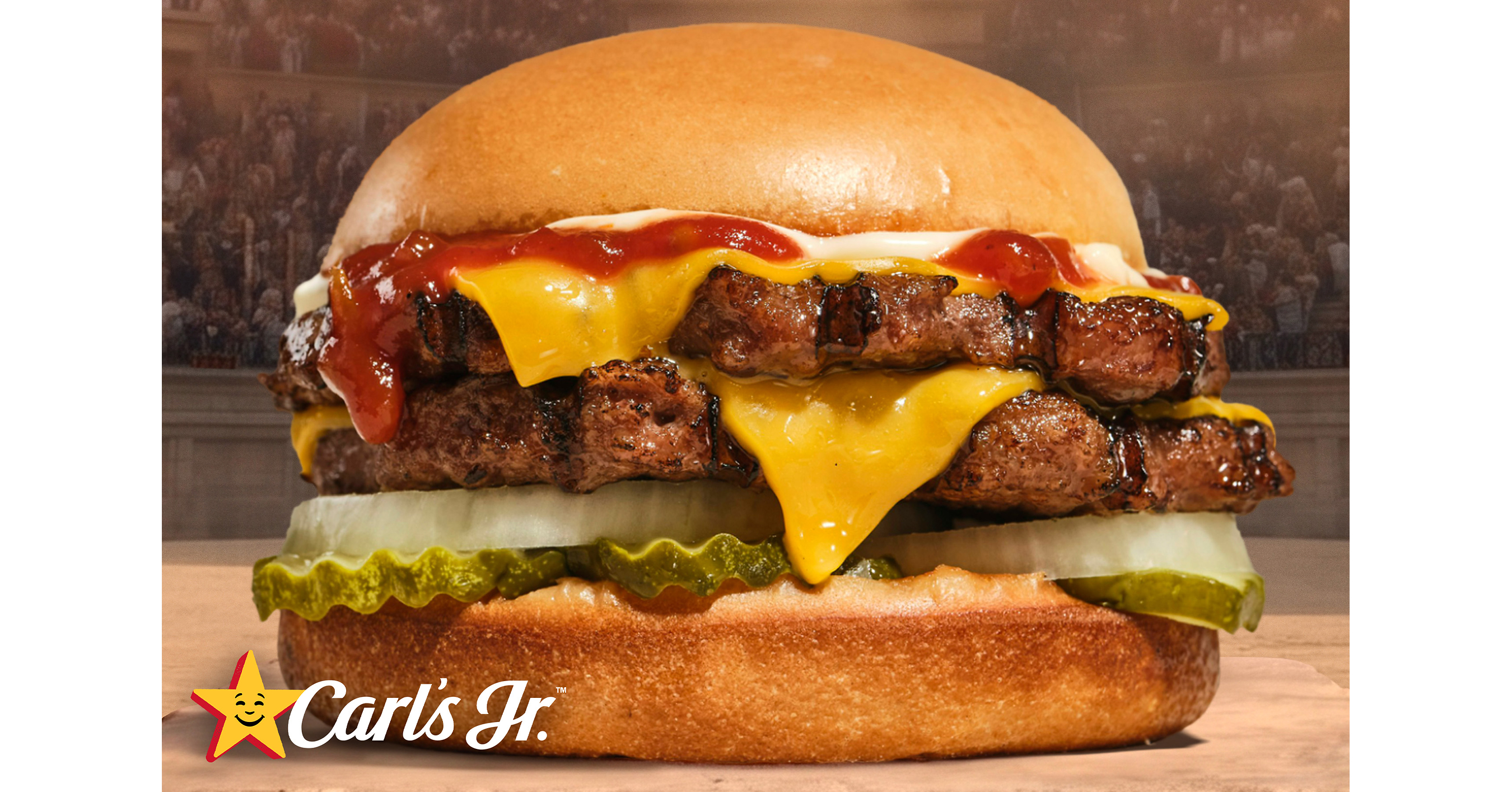
Carl's Jr. launched the limited-time Angus Maximus burger at $5.99 as the first product under its new systemwide cooked-to-order "Burger Revolution" initiative. The 5.7-ounce, two-patty Angus burger is priced at roughly $1.05 per ounce and will be available through Oct. 27, while new My Rewards members receive one free with any purchase. The initiative aims to improve food temperature, freshness and consistency across the chain's more than 1,000 U.S. locations.
Analysis
This is principally an execution test rather than a demand catalyst. Made-to-order conversion raises labor minutes, grill utilization and peak-period throughput risk; unless average check, attachment and loyalty frequency improve enough to offset those costs, franchisee restaurant-level margins could compress even if traffic initially rises. The promotional giveaway further clouds read-through: redemption, repeat purchase after the promotion, and drive-thru service times—not launch-period sales—will determine whether the concept is economically accretive.
The more relevant public-market implication is a modest competitive pressure on value-premium burger positioning in overlapping Western markets. JACK and WING could face localized traffic pressure if consumers perceive a meaningful quality/value gap, while MCD and QSR have greater scale to defend price points and absorb commodity volatility. Beef inflation is the key second-order risk: a heavier protein offer at an aggressive price point increases exposure to cattle-cost spikes and may force either post-promotion price increases or weaker franchisee profitability.
No direct trade is warranted from a private-company press release with no disclosed unit economics, franchisee participation, or comparable-store-sales targets. Over the next 1-3 months, a successful rollout would be signaled by sustained app activity and stable service metrics after the promotional window; 6-18 months, the strategic question is whether the operating model can be extended without requiring incremental labor or equipment investment. Consensus is likely to over-credit product novelty while underweighting the operational bottleneck: a quality upgrade that lengthens drive-thru times can destroy more high-margin occasions than it gains in burger trial.
AllMind Terminal
AI-powered research, real-time alerts, and portfolio analytics for institutional investors.
Request TrialMarket Sentiment
Overall Sentiment
mildly positive
Sentiment Score
0.28
Key Decisions for Investors
- No position on this event. Treat it as a watch item until third-party traffic data can isolate Carl's Jr. share gains in core Western DMAs during and after the promotional period.
- Monitor JACK over the next 1-3 months for localized same-store-sales or traffic deceleration; only consider a tactical short if independent traffic data show sustained share loss after the promotion ends, while JACK's valuation does not already discount weaker sales.
- Use COW and live-cattle futures as a margin-risk monitor for restaurant operators with beef-heavy menus. A sustained cattle-cost upswing combined with aggressive burger discounting would be incrementally negative for franchisee economics across JACK, WING and QSR, but the current information is insufficient for a directional trade.
- For MCD and QSR, view any competitive response through discounting as a potential margin signal rather than a volume threat. Reassess only if menu-price actions or promotional intensity broaden across multiple chains; that would favor a defensive long MCD versus more value-sensitive JACK.
More News
- Here’s the ‘core economic flaw’ in the AI bull case as stock and bond trades unravel, according to a top economist
- How Pepsi fell behind in the cola wars—and then lost KFC
- 5 big analyst AI moves: ’Uniquely catalyst-rich’ months ahead for SpaceX
- Braskem creditors, shareholders near deal on $11bn debt restructuring
- Xencor reports phase 1 data for cancer drug XmAb819
- The experience economy keeps defying expectations. Maybe we’ve been looking at it all wrong